
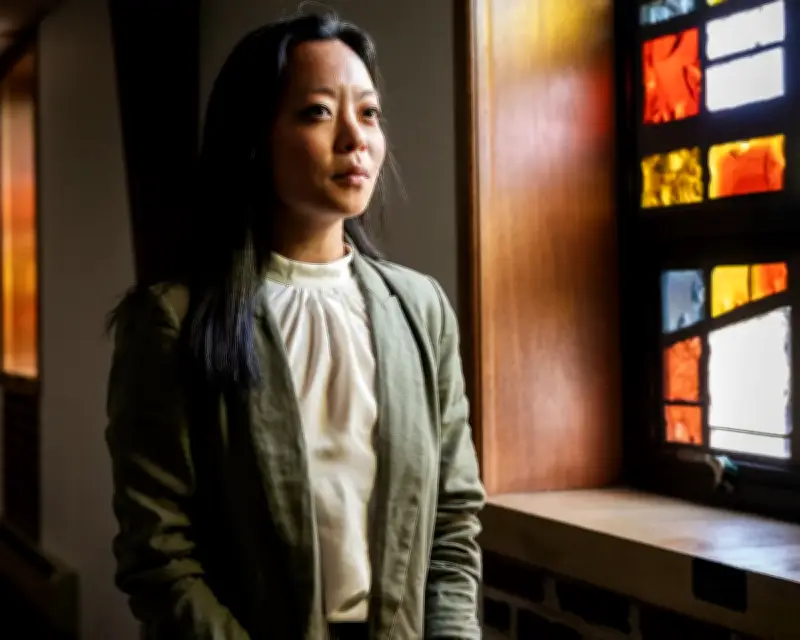
Francesca Hong, a 37-year-old democratic socialist and state representative from Madison, has surged to the front of Wisconsin's Democratic gubernatorial primary, propelled by a grassroots campaign that has crisscrossed the state. Her platform, which includes universal childcare, fully funded public schools, and a moratorium on new datacenters, has energized voters but also drawn public skepticism from top Democrats and a last-minute challenge from Milwaukee County Executive David Crowley, who reentered the race with the endorsement of outgoing Governor Tony Evers.
A Grassroots Movement Takes Shape
Hong's campaign has been marked by unconventional events, from karaoke nights to ramen pop-ups, and a memorable appearance at Milwaukee's Riverwest 24 bike race in late July. There, supporters handed out Hong coloring books, a scrolling sign declared “We love Fran,” and a DJ called her “so fresh and so clean” while playing OutKast. Hong herself joined the race, danced in a mosh pit, and got a tattoo to commemorate the event, adding to her existing Milwaukee Bucks ink.
This ground game has translated into a lead in most polls ahead of Tuesday's primary, with Hong facing state Senator Kelda Roys and former administration chief Joel Brennan. The field narrowed after Lieutenant Governor Sara Rodriguez exited due to campaign finance irregularities and Mandela Barnes, the 2022 Senate nominee, dropped out on 31 July. Crowley's dramatic reentry, following a brief withdrawal, has added chaos to the race, with his campaign releasing a memo suggesting polls may be underestimating his support.
Establishment Concerns and Electability Debates
Hong's frontrunner status has drawn national attention, including mockery from Donald Trump over her past tweets, one of which called for cancelling Thanksgiving. Top Democrats, including strategist David Axelrod, have publicly questioned her ability to win a general election, with Axelrod describing her as “a font of zany liberal, faculty lounge exotica.” Governor Evers claimed Hong's campaign was “in a tough place” due to time spent addressing social media controversies.
Hong has framed such criticism as evidence of establishment panic. “There's a reluctance to change, and a fear of change” among “a lot of our candidates and some of their consultants,” she said. Her campaign manager, Becky Cooper, dismissed the tweet scrutiny as a distraction from voters' needs, calling it a “huge waste” of time and energy, while adding, “we're always working to sharpen language and deliver the message.”
Stakes High for Wisconsin and the Nation
The winner will face Republican Tom Tiffany, a staunch Trump ally who voted against certifying the 2020 election results and has more campaign cash than any Democratic candidate. Ben Wikler, former chair of the Wisconsin Democratic Party, emphasized the seat's importance: “The Wisconsin governor certifies the presidential election results, and Tom Tiffany was part of a plot to overturn the 2020 results. This is a very high-stakes seat that will affect not just the lives of every Wisconsinite, but also potentially the future of American democracy.”
Wisconsin's perennial battleground status adds to the tension. Five of the last seven presidential elections in the state have been decided by less than one percentage point, according to Wikler. Democrats are also aiming for a governing trifecta, seeking to win both chambers of the state assembly and retain the governor's office to enact a full agenda.
Hong's Vision and Voter Appeal
Hong, a former chef and restaurant owner, became the first Asian American member of the state assembly in 2020. She has authored bills for healthy school meals and against ICE overreach. Her call for a one-year moratorium on datacenter construction has resonated with voters concerned about the unregulated growth of AI. “Just because I'm team human doesn't mean I'm anti-AI. I just don't want it to control us. I think that we get to regulate it,” she said.
At a campaign stop in Superior, Hong told a voter, “I'm going to work harder for you than anyone else and make sure that we're raising wages, taxing the billionaires, and we're stopping datacenters.” She embraces the democratic socialist label but notes the DSA has not endorsed her and she does not agree with the full platform. She previously supported defunding the police but now says she does not.
Supporters and Skeptics Weigh In
State Senator Chris Larson, who endorsed Hong, praised her coalition-building skills and called the electability concerns “lacking in imagination.” He said, “This is where we build hope. This is how we get shit done. And that for me is what Francesca Hong brings.” At the Riverwest 24, supporter Chris Montezon appreciated Hong's statewide engagement, saying, “I think there's a lot of disaffected voters in the state.”
However, some voters remain wary. Robert Edelstein, a 62-year-old progressive, worried that Republicans were boosting Hong and wanted a candidate who could win in November: “I'm troubled that it could be someone who can't win.” Terrence Dahmen, a 73-year-old independent, leaned toward Hong due to her datacenter stance but expressed concerns about northern Wisconsin: “There's a lot of racism up here, so that might weigh against her.”
Crowley's Reentry and the Path Forward
Crowley, 40, told the Guardian that his reentry was not orchestrated by the establishment, despite Evers' endorsement. He cited a red cardinal sighting as a sign to rejoin the race, following Rodriguez's departure. “We knew that the stakes were too high for me to sit on the sideline,” he said, adding that voters want “someone that they can trust.” He acknowledged the race's messiness: “It's a little messy in this primary, but so is our democracy.”
Hong remains confident, arguing that electability is determined by votes: “The person who wins the most votes is the most electable. And we are fighting harder than any other campaign to win the most votes.” She welcomes national attention but feels the pressure. Winning in Wisconsin, she said, could change politics nationwide: “We can't have a more representative democracy unless we have more folks who are willing to fight the way things have been done. Because that's what's gotten us here.”




