
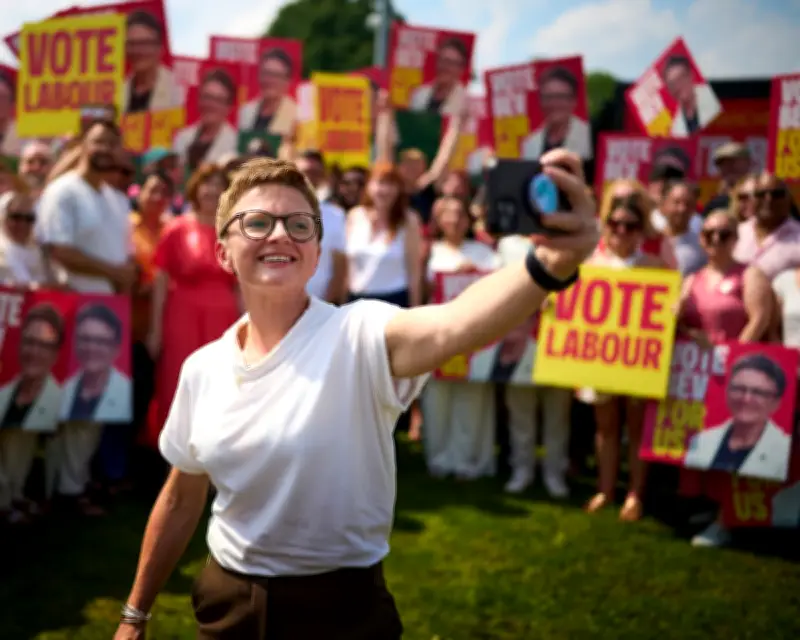
Voting has begun in the largest byelection in British political history, with over 2 million people eligible to choose Andy Burnham's successor as Greater Manchester mayor. Labour's Bev Craig is expected to win comfortably, despite the contest being overshadowed by Burnham's rapid ascent to prime minister and Nigel Farage's focus on Clacton.
Polls and Projections
A More in Common poll this week gave Craig, the leader of Manchester city council, a 20 percentage point lead over Reform UK's Sian Astley. The Greens were in third on 14 points, just ahead of the Conservatives. Most of the 1,000-voter survey was conducted before Burnham became prime minister.
Electoral System and Advantage
The byelection uses the supplementary voting system, meaning if no candidate reaches 50%, second-choice preferences are counted. Labour is seen as advantaged, as it is more likely to be the second choice for Green, Lib Dem, and even some Conservative voters. Reform UK cannot count on such broad support. The More in Common poll indicated Labour's lead would stretch to 30 points if Reform UK finished second, as Craig is the most popular second choice for most Greens and a sizeable chunk of Conservatives.
Reform UK's Position
Anything short of a strong second-place finish would be a blow to Reform UK, which won over 100 seats in Greater Manchester in May, including all but one of 25 in Wigan and 18 out of 19 in Tameside. A senior Labour figure said the party expects to do much better in these areas, having won back voters who backed Reform UK two months ago as a protest vote against Keir Starmer. Reform UK's projected vote has fallen nationally, overtaken by Labour in polls for the first time since March 2025, amid scrutiny over Farage's funding.
Green Party Ambitions
Green sources believe polls underestimate their popularity, with support extending beyond Manchester city centre, where they won several previously Labour seats in May. The Greens won 7% of the vote in the 2024 mayoral election; a doubling or more would demonstrate their ability to expand beyond their urban-liberal base.
Low Awareness and Turnout
Campaigners in both Labour and Green camps say awareness of Thursday's vote is low, potentially complicating pollsters' predictions. The result is expected on Friday afternoon. Unlike in Makerfield and Gorton and Denton, there is little obvious sign on the streets of the byelection, largely due to the expense of campaigning across a region of 2 million voters. With some residents having voted three times in five months, turnout is expected to be lower than the 32% in 2024. Yet if a third of registered voters cast ballots, the verdict of 600,000 people is significant.
Future Implications
All parties will scrutinise Friday's result with a view to local elections in May 2027, when a third of seats in the 10 Greater Manchester boroughs are contested. Reform UK eyes control of councils including Bolton, Wigan, and Rochdale, while the Greens hope to threaten Labour's half-century grip on Manchester city council, where they are now the second largest party.




