World Leaders' Valentine's Day Popularity: A Global Ranking Analysis
As Valentine's Day approaches in 2026, a fascinating question emerges in political and social circles: which world leaders are likely to receive the most Valentine's Day messages? This analysis delves into the factors that could influence such a ranking, offering insights into global leadership dynamics and public perception.
Factors Influencing Valentine's Day Popularity
The popularity of world leaders on Valentine's Day is not merely a whimsical concept; it reflects broader trends in political influence and public engagement. Key factors include diplomatic achievements, economic policies, and social media presence. Leaders who have successfully navigated international crises or implemented popular domestic reforms often garner significant public affection, which can translate into symbolic gestures like Valentine's Day messages.
Additionally, cultural contexts play a crucial role. In some countries, Valentine's Day is celebrated with great enthusiasm, while in others, it holds less significance. This cultural variation affects the volume of messages leaders might receive, as citizens in more celebratory nations are more likely to engage in such traditions.
Projected Top Contenders for 2026
Based on current political landscapes and historical data, several world leaders are projected to be top contenders for receiving the most Valentine's Day messages in 2026. These include figures from major global powers as well as emerging leaders who have captured public imagination through charismatic leadership or innovative policies.
- Leaders from Western democracies often benefit from high media visibility and active public participation in holidays like Valentine's Day.
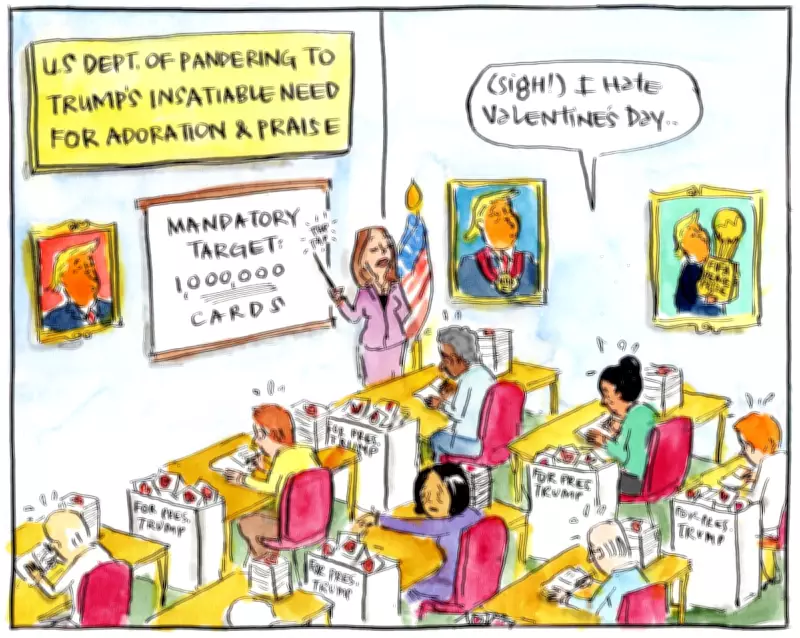
- Populist leaders with strong grassroots support may see surges in messages from devoted followers.
- Female leaders breaking barriers in politics could attract messages celebrating their trailblazing roles.
It is important to note that this ranking is speculative and based on projections rather than actual data, as Valentine's Day 2026 has not yet occurred. However, it serves as a thought-provoking exercise in understanding how political figures intersect with cultural traditions.
Implications for Political Communication
The concept of Valentine's Day popularity among world leaders highlights the evolving nature of political communication in the digital age. Social media platforms enable direct interaction between leaders and the public, allowing for expressions of support that go beyond traditional political metrics. This trend underscores the importance of emotional connections in leadership, where public affection can complement policy achievements.
Moreover, such analyses can shed light on global soft power dynamics. Leaders who are perceived as likable or inspirational may enhance their countries' international standing, fostering goodwill and cooperation. As Valentine's Day becomes a lens through which to view leadership, it reminds us that politics is not just about power but also about human connections and shared values.
In conclusion, while the exact ranking of world leaders by Valentine's Day messages in 2026 remains to be seen, this analysis offers a unique perspective on the intersection of politics and culture. By considering factors like influence, public sentiment, and cultural practices, we gain a deeper understanding of how leaders are perceived in an increasingly interconnected world.