US Establishes Pop-Up Consulate in Israeli Settlement Efrat
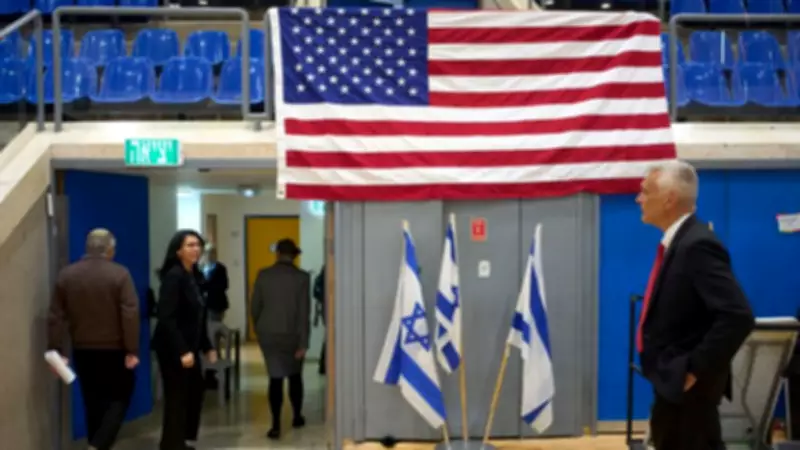
The United States has inaugurated a pop-up consulate in Efrat, an Israeli settlement located in the occupied West Bank. This initiative marks the first time such a diplomatic service has been provided directly within a settlement, aiming to assist the approximately 4,000 American citizens residing there, who constitute about one-third of Efrat's population.
Controversial Move in a Disputed Territory
Efrat, established over four decades ago on Palestinian land, is considered illegal under international law, a designation that Israel has consistently rejected. The settlement features American-style amenities, such as supermarkets and coffee shops, creating an atmosphere reminiscent of small-town USA, yet it remains a focal point of the Israeli-Palestinian conflict.
During the consulate's operation, numerous residents arrived at a community center with passports and documents, streamlining processes that previously required trips to Jerusalem. Yonatan Marcus, Efrat's chief of staff and a New York native, praised the move as a game-changer, attributing it to the efforts of Ambassador Mike Huckabee and former President Donald Trump.
Residents' Perspectives and Regional Tensions
Michael and Roxanna Weinberger, American immigrants from New Jersey and Oregon, expressed dual loyalty to both the US and Israel. They emphasized coexistence, stating, We don't see Arabs as our enemies, and highlighted community efforts for peace. However, Efrat's mayor, Dovi Shefner, adopted a more defensive stance, comparing the West Bank to the Falkland Islands and asserting Israel's biblical claim to the territory.
In contrast, Palestinian views from nearby Bethlehem reflect deepening concerns. Ahmad al Nawawreh, a local falafel vendor, reported increased aggression from settlers, linking it to perceived US support. The situation has deteriorated further, he noted, citing incidents of property theft and vandalism.
Broader Implications and International Reactions
This consulate opening is seen by critics as a step toward legitimizing settlements and potential annexation of the West Bank, exacerbating regional divisions. Supporters view it as a practical service for American expatriates, reinforcing US-Israel ties. The event underscores ongoing debates over sovereignty, international law, and the future of Israeli-Palestinian relations.