UN Experts Declare Sudanese Rebel Siege in Darfur Bears 'Hallmarks of Genocide'
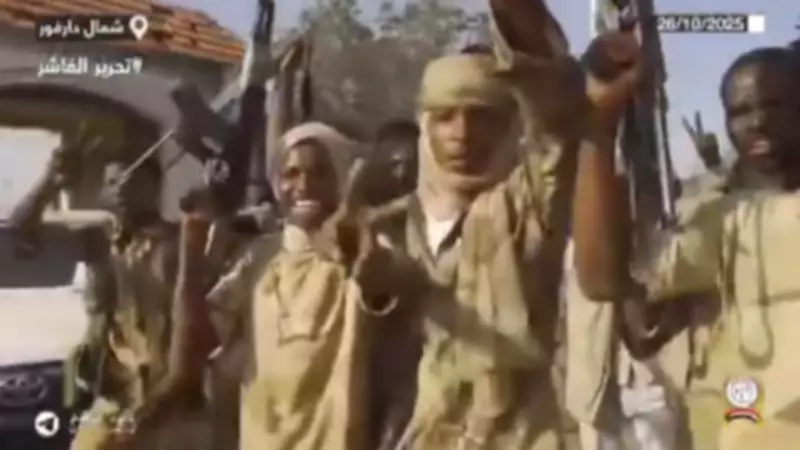
In a stark and chilling report released on Thursday, UN experts have asserted that the 18-month siege and mass killings carried out by Sudanese rebels during their capture of the city of el-Fasher in Darfur exhibit the clear hallmarks of genocide. The findings, based on an independent fact-finding mission, detail horrific atrocities committed by the Rapid Support Force paramilitaries and allied Arab militias, with more than half of the city's population slaughtered in what is described as a calculated campaign of destruction.
Atrocities and Human Rights Abuses Detailed in UN Report
The conflict, which began in 2023 and culminated in the rebels overrunning el-Fasher in October 2024, saw widespread human rights abuses. According to the report, rebel commanders specifically targeted non-Arab communities, including the Zaghawa and Fur groups, with the intent to bring about their physical destruction. Mona Rishmawi, one of the authors, wrote: "Starvation, denial of assistance, mass killings, rape, torture and enforced disappearance...leaves only one reasonable inference - these are the hallmarks of genocide."
UN officials reported that several thousand civilians were killed during the takeover, with only 40% of the city's 260,000 residents managing to flee alive, many of whom were wounded. The fate of the remaining population remains unknown, adding to the tragedy. The report highlights that between October 25 and 27, 2024, over 6,000 people were killed in el-Fasher alone, with atrocities including summary executions, sexual violence, torture, and abductions for ransom.
International Response and Calls for Accountability
Foreign Secretary Yvette Cooper has issued a forceful call for "urgent action" from the international community. She emphasized the need for criminal investigations to ensure accountability for perpetrators, justice for victims, and to break the cycle of violence. Cooper stated: "The world is still failing the people of Sudan. When the stories started to emerge about the horrors of el-Fasher it should have been a turning point, but the violence is continuing." She is expected to raise the report at a UN Security Council meeting in New York, underscoring the gravity of the situation.
The fact-finding mission assessed the actions against the criteria set out in the 1948 Genocide Convention, finding that at least three of the five factors were met. These include killing members of a protected group, causing serious bodily or mental harm, and deliberately inflicting conditions to bring about physical destruction. Under the convention, a genocide determination can be made even if only one criterion is satisfied, highlighting the severity of the findings.
Background and Ongoing Conflict in Sudan
Sudan was plunged into conflict in mid-April 2023 when long-running tensions between military and paramilitary leaders erupted in Khartoum and spread to regions like Darfur. The war has resulted in more than 40,000 deaths according to UN figures, though aid groups suggest the true number could be significantly higher. The RSF and their allied Arab militias, known as Janjaweed, overran el-Fasher on October 26, 2024, committing widespread atrocities during the offensive.
Prior to the assault, rebels also attacked the Abu Shouk displacement camp outside the city, killing at least 300 people over two days. While RSF commander General Mohamed Hamdan Dagalo has acknowledged some abuses by his forces, he disputes the scale of the atrocities. The UN Human Rights Office continues to document the violence, calling for an end to impunity to prevent further cycles of bloodshed.