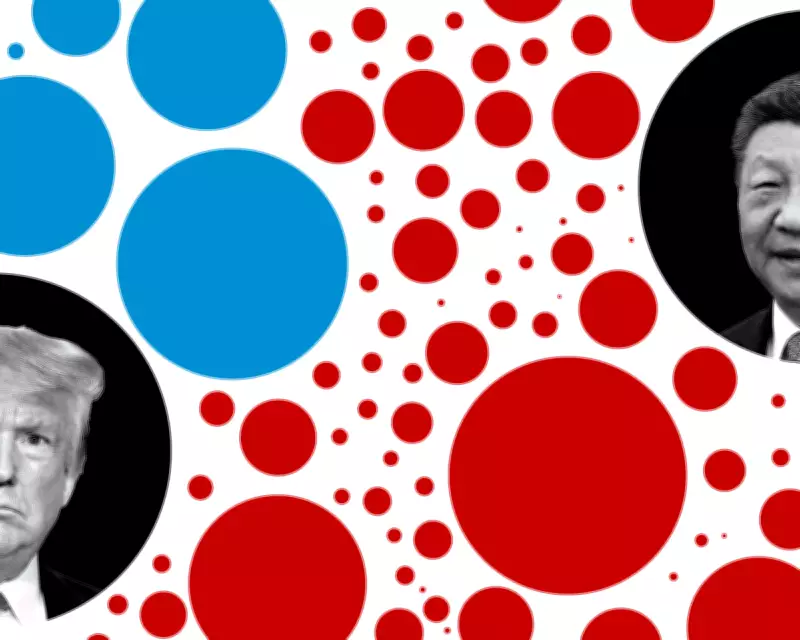
Data Visualizations Highlight US Diplomatic Isolation Under Trump
Recent charts and data analyses have provided a stark visual representation of how the United States is becoming increasingly isolated on the world stage during Donald Trump's presidency. These graphical depictions, compiled from various international sources, reveal significant shifts in diplomatic relations, trade partnerships, and global alliances that suggest a retreat from traditional US leadership roles.
Key Findings from the Charts
The charts illustrate several critical trends. Firstly, there has been a noticeable decline in US participation in multilateral agreements and international organizations. For instance, data shows reduced engagement with entities like the United Nations and withdrawal from key climate accords, which has strained relationships with long-standing allies in Europe and Asia.
Secondly, trade data visualizations indicate a rise in protectionist policies, leading to tensions with major economic partners such as China and the European Union. This has resulted in a dip in US exports and a shift in global supply chains away from American markets.
Impact on Global Alliances
Further analysis from the charts highlights how this isolation is affecting strategic alliances. Military and security partnerships, particularly with NATO members, have shown signs of strain, with decreased cooperation and increased skepticism from allied nations. Additionally, public opinion polls integrated into the data reveal a growing perception abroad of the US as an unreliable partner, which could have long-term implications for international stability.
Experts suggest that this trend of isolation may undermine US influence in critical global issues, from cybersecurity to pandemic response efforts. The charts serve as a powerful tool for understanding the broader geopolitical consequences of current US policies.
In summary, these visual data representations offer compelling evidence of the United States' diminishing role on the international stage under Trump's leadership, prompting discussions among policymakers and analysts about future diplomatic strategies.