Trump's Unpredictable Position on the Chagos Islands Deal
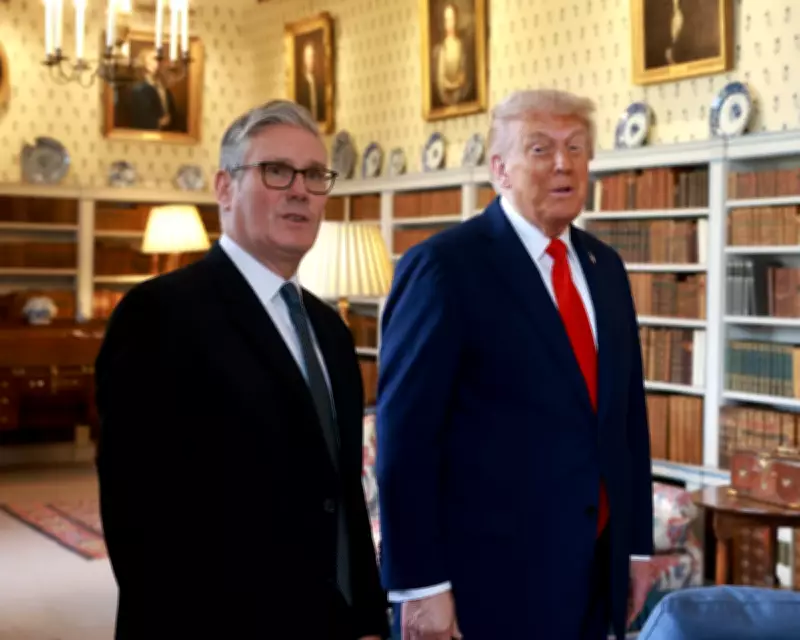
Just when Prime Minister Keir Starmer believed the diplomatic waters were calm, Donald Trump has once again unleashed a public critique against the United Kingdom's agreement to relinquish control of the Chagos Islands to Mauritius. This deal involves the UK ceding sovereignty over the archipelago while securing a 99-year lease to maintain a joint US-UK military base on Diego Garcia, the largest island. Over the past year, the US president has engaged in a bewildering dance of support and withdrawal, leaving observers questioning the stability of the special relationship.
A Timeline of Trump's Meandering Stance
Washington's position on the Chagos agreement has been anything but consistent, with the administration alternately endorsing and opposing the deal in a series of public statements and actions.
Initial Support for the Agreement
27 February 2025: During a high-stakes visit to the US aimed at strengthening transatlantic ties, Starmer faced questions about the Chagos deal. Trump responded optimistically, stating, "We're going to have some discussions about that very soon, and I have a feeling it's going to work out very well." He highlighted the proposed 140-year lease as a strong foundation, indicating a willingness to support the UK's position.
1 April 2025: Trump formally approved the UK's handover of the Chagos Islands to Mauritius, a move that paved the way for the UK to end its colonial presence in Africa. A spokesperson for the prime minister confirmed that the deal was nearing finalization following Trump's green light, emphasizing ongoing discussions with the Mauritian government.
22 May 2025: US Secretary of State Marco Rubio issued a comprehensive statement fully backing the agreement. He praised the leadership of both the UK and Mauritius, noting that the deal ensures the long-term operation of the Diego Garcia military base. Rubio underscored the importance of this asset for regional and global security, reaffirming Trump's support expressed during meetings with Starmer.
Sudden Opposition and Further Reversals
20 January 2026: In a surprising shift, Trump publicly criticized the Chagos deal on his Truth Social platform. He labeled the UK's plan to transfer Diego Garcia as an act of "total weakness" and "great stupidity," suggesting it could benefit adversaries like China and Russia. This outburst came amid tensions over Greenland and marked a stark departure from previous endorsements.
5 February 2026: Reports emerged of a phone conversation between Trump and Starmer, where Downing Street stated the leaders agreed on the deal's importance for securing the base. Trump described the discussions as "very productive" but reserved the right to militarily reinforce Diego Garcia if the lease ever faltered. White House press secretary Karoline Leavitt clarified that Trump supports Starmer's position while protecting US assets.
17 February 2026: The US State Department reiterated its support for the UK's decision, emphasizing a desire for a bilateral agreement to guarantee continued use of facilities in the Chagos archipelago for national security purposes.
18 February 2026: Merely one day later, Trump contradicted this stance with a lengthy Truth Social post urging Starmer to abandon the deal. He argued that leases are ineffective for countries and warned against losing control of Diego Garcia, citing potential threats from Iran and the need for strength against "Wokeism."
Implications for US-UK Diplomacy
This erratic behavior has injected significant uncertainty into the special relationship, complicating efforts to finalize the Chagos agreement. Starmer's government must navigate these shifting sands while ensuring the strategic military base remains secure. The timeline illustrates how Trump's capricious approach to foreign policy can destabilize long-standing alliances, raising questions about future collaborations on global security issues.