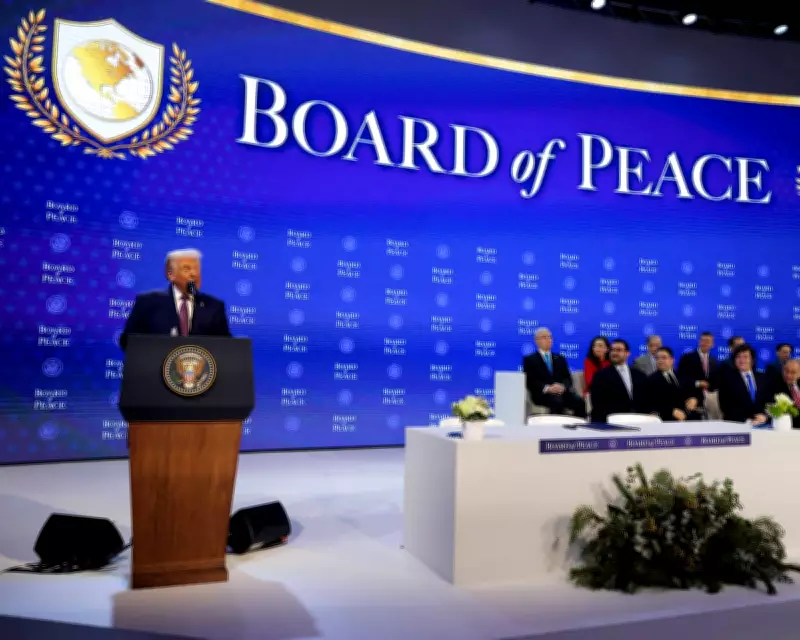
Trump's First Board of Peace Meeting Sparks Debate in Washington
The inaugural meeting of Donald Trump's newly established Board of Peace in Washington has become a focal point of intense political debate, drawing sharp reactions from both supporters and critics across the US political spectrum. This event marks a significant moment in Trump's post-presidency initiatives, as he seeks to influence diplomatic and security discussions from outside the White House.
Details of the Board of Peace Meeting
The Board of Peace, a concept Trump announced earlier this year, convened for the first time in the nation's capital. The meeting brought together a select group of advisors, former officials, and international relations experts to discuss strategies for promoting global stability and conflict resolution. According to sources familiar with the proceedings, the discussions centered on topics such as Middle East peace efforts, nuclear disarmament, and economic cooperation as a tool for diplomacy.
Trump, who chaired the meeting, emphasized the board's goal of fostering dialogue and reducing international tensions through what he described as "pragmatic and unconventional approaches." He stated that the board aims to complement existing governmental efforts by providing independent insights and recommendations.
Political Reactions and Controversies
The meeting has sparked a wave of political reactions in Washington. Critics, including some Democratic lawmakers and foreign policy analysts, have questioned the board's legitimacy and effectiveness. They argue that it lacks formal authority and could undermine official US diplomatic channels. One critic was quoted saying, "This is more about political theater than substantive policy-making."
In contrast, supporters of Trump have praised the initiative as a bold step toward innovative diplomacy. They highlight the board's potential to bring fresh perspectives to longstanding conflicts and applaud Trump's continued engagement in global affairs. A spokesperson for a pro-Trump organization commented, "This board represents a new way of thinking about peace, free from bureaucratic constraints."
Implications for US Politics and Diplomacy
The establishment of the Board of Peace raises broader questions about the role of former presidents in shaping US foreign policy. Analysts note that while ex-presidents often engage in philanthropic or advisory work, Trump's board is unique in its explicit focus on diplomatic issues traditionally handled by the State Department. This move could signal a shift in how political figures influence international relations outside of formal office.
Furthermore, the debate surrounding the board reflects the deep political divisions in the United States, with partisanship coloring perceptions of its value. Some observers suggest that the board's activities may impact upcoming elections by keeping Trump in the public eye on matters of national security.
Future Plans and Public Response
Looking ahead, the Board of Peace is expected to hold regular meetings and release reports on its findings. Trump has indicated plans to engage with international leaders and organizations, though details remain vague. Public response has been mixed, with social media buzzing with both support and skepticism.
In summary, Donald Trump's first Board of Peace meeting in Washington has ignited a fiery debate, highlighting the ongoing influence of the former president on US politics and diplomacy. As the board moves forward, its actions will likely continue to draw scrutiny and discussion in the ever-evolving landscape of American governance.