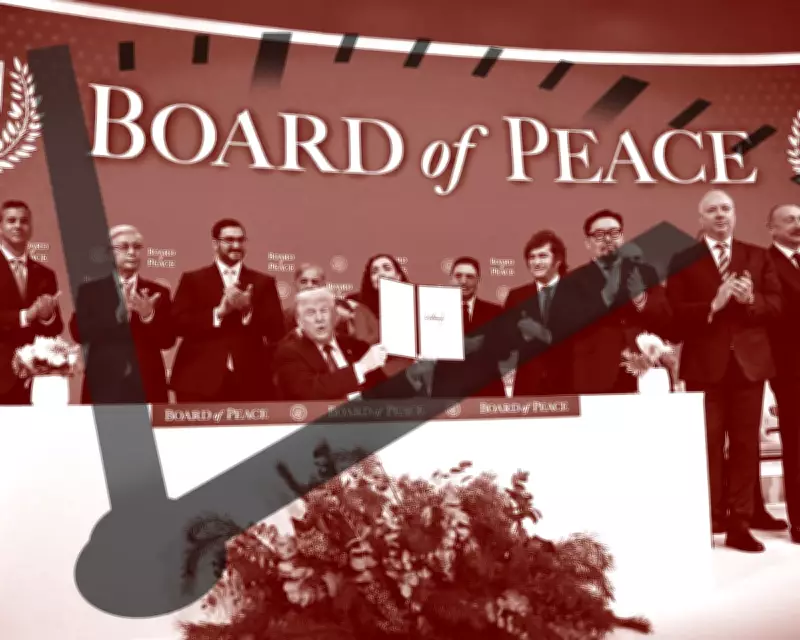
Trump Launches 'Boards of Peace' to Address Global Conflicts
Former U.S. President Donald Trump has unveiled a new initiative called the 'Boards of Peace,' designed to mediate and resolve international disputes through diplomatic channels. This move marks a significant step in his post-presidency efforts to influence global affairs, focusing on conflict resolution and peacebuilding strategies.
Key Members and Their Roles
The 'Boards of Peace' includes a diverse group of individuals with expertise in diplomacy, business, and international relations. Among the notable members are former diplomats who served in the Trump administration, such as John Bolton, known for his hawkish foreign policy views, and Nikki Haley, former U.S. Ambassador to the United Nations. Additionally, business leaders like Elon Musk have been invited to contribute their strategic insights, leveraging their global networks and influence.
Other participants include academics specializing in conflict resolution and retired military officials, ensuring a multidisciplinary approach to peace negotiations. The board aims to operate independently of government structures, allowing for flexible and innovative solutions to complex geopolitical issues.
Strategic Objectives and Global Impact
The primary goal of the 'Boards of Peace' is to facilitate dialogue between conflicting parties in regions such as the Middle East, Eastern Europe, and Asia. By acting as a neutral mediator, the board seeks to reduce tensions and promote sustainable peace agreements. This initiative reflects Trump's long-standing interest in foreign policy, building on his previous efforts like the Abraham Accords.
Critics argue that the board's effectiveness may be limited by political biases and lack of official government backing. However, supporters highlight its potential to bypass bureaucratic hurdles and foster direct negotiations. The board plans to hold its first meetings in early 2027, with a focus on ongoing conflicts in Ukraine and the South China Sea.
Implications for International Relations
The launch of the 'Boards of Peace' could reshape how non-state actors engage in diplomacy, setting a precedent for private initiatives in global conflict resolution. It also raises questions about the role of former leaders in international affairs, as Trump continues to wield influence beyond his presidential term. Observers will closely monitor the board's progress and its impact on peace processes worldwide.