Trump Issues Stark Warning to Iran as High-Stakes Nuclear Talks Commence in Geneva
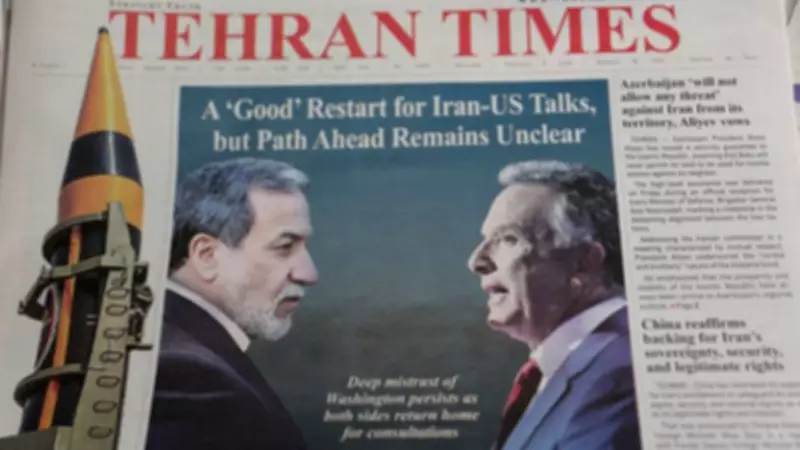
Fresh negotiations have gotten underway in Geneva, Switzerland, between the United States and Iran, aiming to resolve their long-running nuclear dispute. The talks, which began on Tuesday, involve key figures such as Iranian Foreign Minister Abbas Araghchi and US Special Envoy Steve Witkoff, with mediation by Oman. These discussions come at a critical juncture, as both sides prepare for potential escalations if an agreement is not reached.
Military Posturing and Diplomatic Tensions Escalate
In a move underscoring the high stakes, the Trump administration has deployed a second aircraft carrier, the USS Gerald R. Ford, to the Middle East, following the earlier deployment of the USS Abraham Lincoln and accompanying guided-missile destroyers last month. Officials have indicated that Washington is preparing for a possible military campaign should the negotiations prove inconclusive. Concurrently, Iran initiated a military drill in the Strait of Hormuz on Monday, a vital international waterway for oil exports from Gulf Arab states, which have been advocating for diplomatic solutions.
Speaking aboard Air Force One, President Donald Trump emphasized the importance of the talks, stating, "I'll be involved in those talks, indirectly, and they'll be very important. I don't think they want the consequences of not making a deal." He referenced last year's US strikes on Iranian nuclear sites, involving B-2 bombers, as a reminder of past actions, suggesting that a deal could have averted such measures. Trump's envoy, Steve Witkoff, along with his son-in-law Jared Kushner, are participating in this second round of talks, following previous negotiations held in Oman earlier this month.
Iran's Stance and International Reactions
Iranian Foreign Minister Abbas Araghchi, leading the negotiations for Tehran, expressed optimism on social media, posting, "I am in Geneva with real ideas to achieve a fair and equitable deal. What is not on the table: submission before threats." Iran maintains that it is not pursuing nuclear weapons and has resisted demands to halt uranium enrichment or surrender its uranium supply. The Trump administration, however, seeks a deal to limit Iran's nuclear program and prevent weapon development.
US Secretary of State Marco Rubio, speaking at a news conference in Budapest, acknowledged the challenges, noting that it is difficult to reach an agreement with Iran but affirmed the US's willingness to try. Meanwhile, Trump has recently commented that regime change in Iran "would be the best thing that could happen," amid reports of tens of thousands of deaths during anti-regime protests in recent months and a demonstration of about 200,000 people at the Munich Security Conference.
The situation remains tense, with Iran warning that any US attack would be treated as "an all-out war against us." As the world watches, the outcome of these Geneva talks could significantly impact regional stability and global security dynamics.