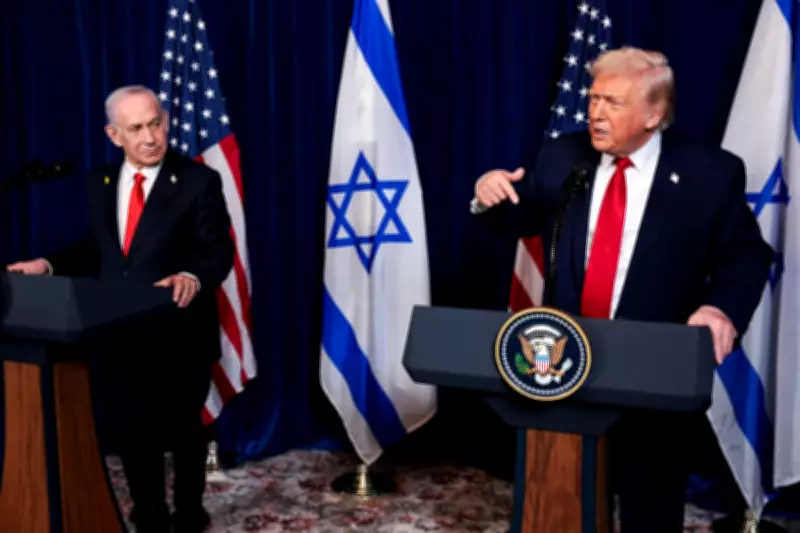
Trump and Netanyahu Unite to Challenge Iran Nuclear Accord
In a significant development in international relations, former U.S. President Donald Trump and Israeli Prime Minister Benjamin Netanyahu have formed a strategic alliance aimed at dismantling the Iran nuclear deal. This move marks a pivotal shift in Middle East diplomacy, with both leaders advocating for a more aggressive stance against Iran's nuclear ambitions.
Background of the Iran Nuclear Deal
The Iran nuclear deal, formally known as the Joint Comprehensive Plan of Action (JCPOA), was established in 2015 under the Obama administration. It aimed to limit Iran's nuclear program in exchange for sanctions relief. However, Trump withdrew the U.S. from the agreement in 2018, citing concerns over its effectiveness and Iran's regional activities.
Details of the Trump-Netanyahu Alliance
Trump and Netanyahu, long-time allies, are now collaborating to push for a complete termination of the nuclear deal. Their strategy involves diplomatic pressure and potential economic sanctions to force Iran into renegotiating the terms. Netanyahu has consistently opposed the deal, arguing it does not adequately prevent Iran from developing nuclear weapons.
Key points of their approach include:
- Leveraging international support to isolate Iran diplomatically.
- Implementing stricter sanctions to cripple Iran's economy.
- Promoting alternative agreements that address broader security concerns in the Middle East.
Implications for Global Security
This alliance could have far-reaching consequences for global security. By targeting the nuclear deal, Trump and Netanyahu risk escalating tensions with Iran, which has threatened to resume its nuclear activities if the agreement collapses. Additionally, this move may strain relations with European allies who support the JCPOA as a means to maintain stability.
Experts warn that dismantling the deal could lead to increased instability in the region, potentially sparking conflicts or arms races. The situation underscores the complex interplay of power and diplomacy in addressing nuclear proliferation.
Future Prospects and Challenges
Looking ahead, the success of Trump and Netanyahu's efforts will depend on their ability to garner international backing. While some countries may align with their hardline stance, others are likely to resist, fearing the repercussions of a failed nuclear accord. The outcome could reshape Middle East politics and influence U.S. foreign policy for years to come.
In summary, the Trump-Netanyahu alliance represents a bold attempt to redefine the approach to Iran's nuclear program, with significant risks and potential rewards for global diplomacy.