South Korea Voices Diplomatic Concern Over Russian Embassy's Provocative Banner in Seoul
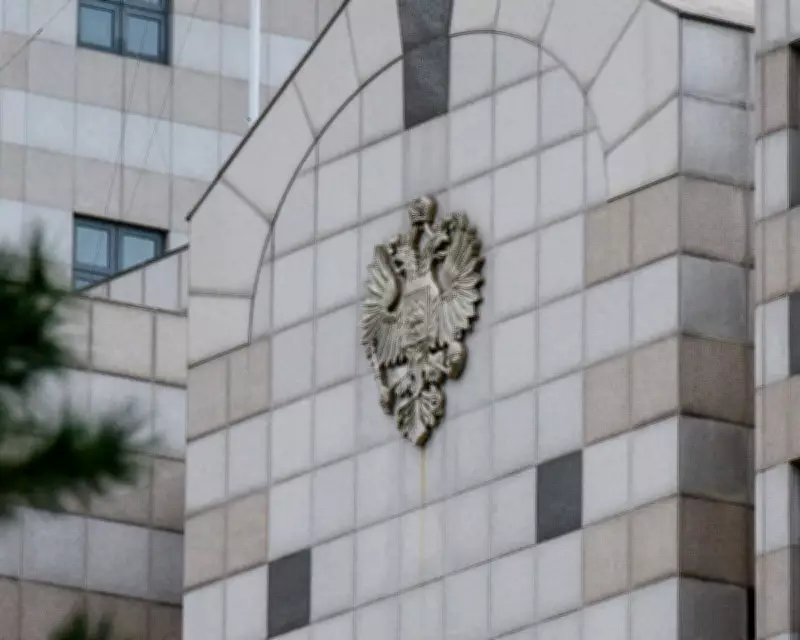
South Korea's foreign ministry has formally expressed deep concerns to the Russian embassy in Seoul regarding a large, prominently displayed banner hanging over its diplomatic building. The banner, which reads "victory will be ours" in Russian, has sparked significant diplomatic unease, with officials warning it could create unnecessary tensions with South Korean citizens and other nations. The message is widely interpreted as a direct reference to Russia's ongoing war in Ukraine, a conflict that has drawn global condemnation and sanctions.
Historical Context and Current Tensions
The phrase "victory will be ours" carries historical weight, having been used by the Soviet Union during the Second World War. Its revival on the Russian embassy in Seoul is seen as a symbolic gesture aligning with Moscow's current military campaign. Despite South Korea's diplomatic protest, the banner remained in place as of Sunday, highlighting the strained relations between Seoul and Moscow amid the broader geopolitical fallout from the Ukraine invasion.
Hungary Blocks EU Sanctions Over Oil Dispute
In a related development, Hungary has announced it will block the European Union's next package of sanctions against Russia. Foreign Minister Peter Szijjarto stated on social media platform X that Hungary will not allow decisions important to Kyiv to proceed until Ukraine resumes the flow of Russian oil through the Druzhba pipeline to Hungarian refineries. This move comes as the EU prepares its 20th sanctions package, timed around the fourth anniversary of Russia's full-scale invasion of Ukraine on Tuesday.

Ukraine has condemned Hungary's stance, describing it as "ultimatums and blackmail." Slovakia has similarly threatened to cut electricity supplies to Ukraine unless oil flows are restored, escalating tensions within the EU over energy security and support for Kyiv.
Escalating Military and Nuclear Posturing
Russian President Vladimir Putin has declared the development of Russia's nuclear forces an "absolute priority" following the expiration of the New Start treaty with the United States. In a video message marking Russia's Defender of the Fatherland Day, Putin emphasized strengthening the army and navy, drawing on experience from the Ukraine war. With no remaining arms control pacts between Moscow and Washington, the world's two largest nuclear powers, concerns over global security are mounting.
Recent Attacks and Infrastructure Strikes
Violence continues to escalate, with a police officer killed and 24 wounded in Lviv, western Ukraine, after explosive devices detonated at midnight. Ukrainian President Volodymyr Zelenskyy blamed Russia for the attack, which local authorities described as a terrorist act. Meanwhile, Russia launched nearly 50 missiles and 297 drones at targets across Ukraine, damaging energy facilities, logistics, and water supply infrastructure. Zelenskyy called for enhanced air defences from allies to counter these assaults.
In retaliation, a massive Ukrainian missile strike caused serious damage to energy infrastructure in Russia's Belgorod region, disrupting power, heat, and water supplies. Russian-controlled areas in Zaporizhzhia and Luhansk also reported attacks on energy sites, including a fuel reservoir fire after a drone strike on an oil depot. Additionally, four Moscow airports briefly suspended operations due to a drone attack, with Russian air defences claiming to have downed 71 Ukrainian drones.
These events underscore the deepening conflict and its far-reaching implications, from diplomatic spats in Seoul to energy disputes in Europe and relentless military engagements on the ground. As the war enters its 1,461st day, the international community grapples with balancing sanctions, security, and humanitarian concerns in a rapidly evolving crisis.