
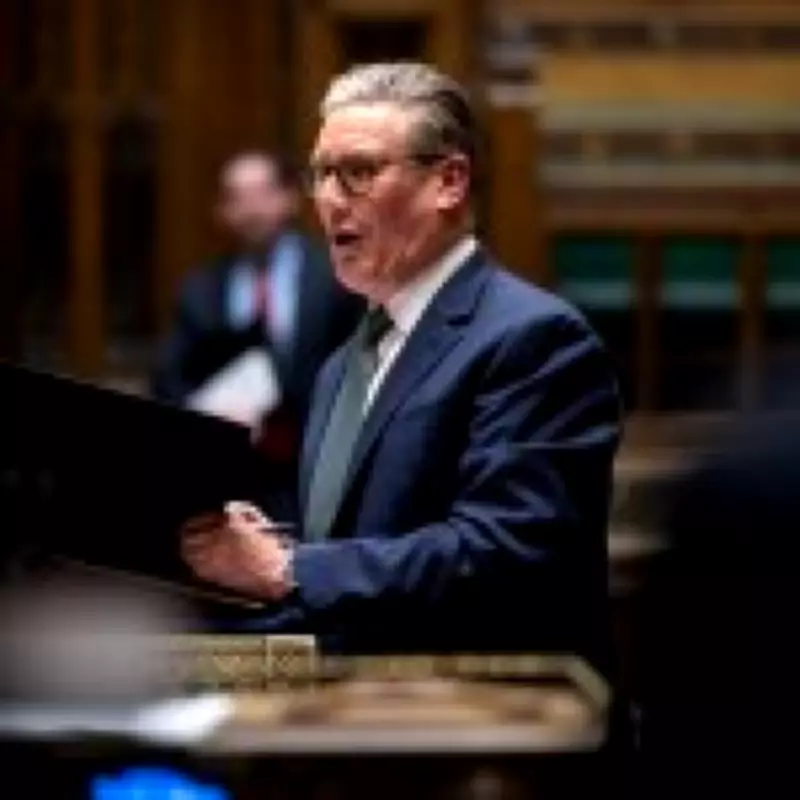
Downing Street has pointedly declined to confirm whether Prime Minister Sir Keir Starmer still "likes and respects" former US President Donald Trump, following a series of inflammatory remarks from the American leader targeting the United Kingdom. The diplomatic tension emerged after Trump's latest broadside against Britain's foreign policy positions, delivered during a contentious television interview that has strained the once surprisingly cordial relationship between the two leaders.
Trump's Scathing Critique of UK-US Relations
In an exclusive interview with Sky News broadcast on Monday evening, President Trump delivered a remarkably blunt assessment of the so-called "special relationship" between the United States and the United Kingdom. The American leader suggested the bilateral connection has "been better" historically and even hinted that the comprehensive trade agreement secured between the two nations last spring "can always be changed" if necessary.
Trump elaborated with characteristic directness, stating: "How is the relationship? It's the relationship where: when we asked them for help, they were not there. When we needed them, they were not there. When we didn't need them, they were not there. And they still aren't there." These comments represent the most severe public criticism from a sitting US president toward Britain in recent memory, coming amid escalating tensions regarding the ongoing conflict in Iran.
Starmer's Defiant Response During PMQs
During Prime Minister's Questions on Tuesday afternoon, Sir Keir Starmer addressed the mounting pressure on his government to alter its position regarding the Iran conflict. The Prime Minister acknowledged that "a lot of pressure" had been applied, specifically noting that "that pressure included what happened last night" in reference to Trump's televised remarks.
In a firm declaration directed at Liberal Democrat leader Sir Ed Davey, Starmer asserted: "I'm not going to change my mind, I'm not going to yield. It is not in our national interest to join the war, and we will not do so." This statement reinforced Britain's independent foreign policy stance despite significant American pressure to align more closely with US military actions in the region.
The Evasive No 10 Briefing
The most telling development occurred during the regular post-PMQs briefing for political journalists. When directly questioned about whether Starmer still maintains the "likes and respects" sentiment toward Trump that he expressed last year, the Prime Minister's spokesman conspicuously avoided providing confirmation.
Instead of affirming the previous position, the spokesman simply redirected journalists to Starmer's earlier comments during the parliamentary session. This strategic evasion represents a significant diplomatic signal, suggesting a notable cooling in the personal rapport between the two leaders that had previously defied political expectations.
Trump's Contradictory Position
The situation contains particular irony given Trump's own contradictory statements during the same Sky News interview. Despite his harsh criticism of British policy, the American president remarked: "I think I like Starmer," creating a confusing mixed message about his personal assessment of the Prime Minister.
Additionally, Trump appeared momentarily uncertain about the meaning of "the special relationship" when initially questioned about the term, before launching into his familiar critiques of British energy and immigration policies. These moments highlighted the unpredictable nature of the current US-UK diplomatic dynamic.
Rapid Deterioration of a Surprising Alliance
The apparent friendship between Starmer and Trump had astonished many political observers during the initial months of Trump's second presidential term. Their unexpectedly warm rapport contrasted sharply with the Prime Minister's previous criticisms of the American leader during his first administration.
However, this relationship has deteriorated rapidly since late February, when the United States and Israel initiated military operations against Iran. In the intervening weeks, Britain has become a regular target for criticism on Trump's Truth Social platform, with the former president frequently expressing frustration over the UK's refusal to join the conflict directly.
The Official Downing Street Position
The Prime Minister's spokesman offered a carefully calibrated response when pressed about the state of US-UK relations. He stated unequivocally that he "certainly wouldn't characterise [the relationship between the two leaders] in the way that the president has," directly challenging Trump's pessimistic assessment.
The spokesman elaborated on the broader context, noting: "The special relationship with the US exists on multiple levels, and we have a close relationship which spans trade, diplomacy, national security, culture and beyond. It's far bigger than any individual issue." This formulation emphasized the institutional depth of Anglo-American ties while acknowledging current diplomatic friction.
The evolving situation represents one of the most significant tests of US-UK relations in recent years, with the personal dynamic between Starmer and Trump adding a complex layer to already challenging geopolitical circumstances. As the Iran conflict continues, diplomatic observers will closely monitor whether this tension represents a temporary disagreement or a more fundamental shift in the transatlantic partnership.




