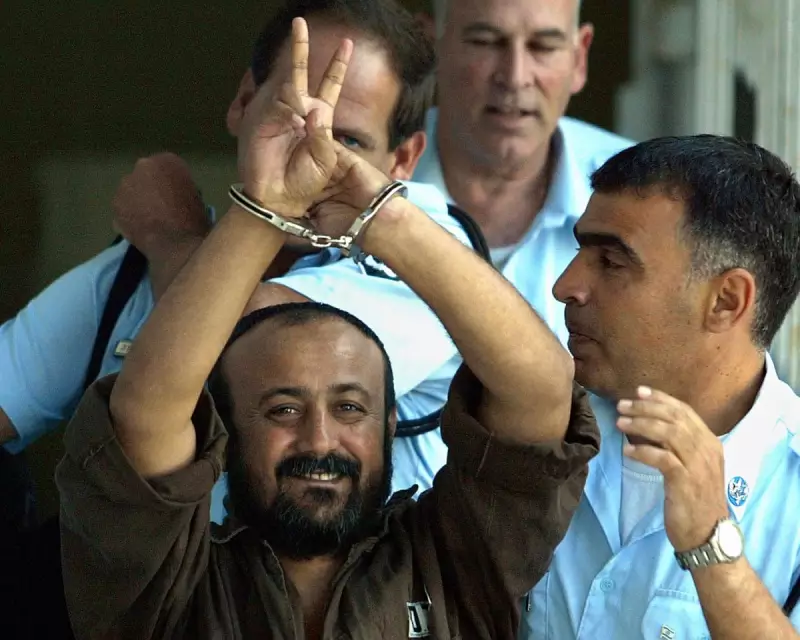
The quest for a lasting peace in the Middle East is increasingly intertwined with the fate of a single man: Marwan Barghouti. The 66-year-old Palestinian leader, serving multiple life sentences in an Israeli prison, has emerged as a central figure in discussions about the region's political future. Despite a fragile ceasefire, violence persists, aid remains restricted, and the need for a political horizon for Palestinians is more urgent than ever.
The Unifying Figure in a Divided Landscape
After more than two decades behind bars, Marwan Barghouti is by far the most popular Palestinian leader. Widely regarded as a potential unifying force, he commands respect across the deep ideological divides that fragment Palestinian politics. A member of Fatah, he has nevertheless criticised the Palestinian Authority's shortcomings and earned credibility within Hamas ranks.
This broad appeal starkly contrasts with the perception of the PA's old guard, who are often viewed as ineffective and subservient to Israeli security interests in the West Bank. For many Palestinians, Barghouti represents a path to self-determination and their inalienable rights, with some dubbing him their 'Mandela'.
International Campaign and Israeli Resistance
A growing international campaign is pushing for Barghouti's release, backed by high-profile figures like musician Paul Simon, chef Delia Smith, entrepreneur Richard Branson, and author Margaret Atwood. The group of former world leaders known as the Elders also supports the move. Crucially, some voices within the Israeli security and political establishment agree that his freedom could be a catalyst for renewed peace talks.
Barghouti, who taught himself Hebrew and has long advocated for a two-state solution, was convicted of murder for ordering attacks that killed civilians during the second intifada. His 2023 trial was criticised by legal experts as flawed. Notably, while Israel has released prisoners convicted of violent acts in past deals, it vetoed including Barghouti in recent ceasefire negotiations. As one former Israeli military official noted, Israel is willing to free those who 'did really bad things' but balks at releasing potent political symbols.
A Deteriorating Situation and a Pressing Case for Freedom
Conditions for Palestinian prisoners have worsened dramatically since the Hamas attacks of 7 October 2023. Disturbing video emerged in the summer of 2024 showing Israel's far-right national security minister, Itamar Ben-Gvir, taunting a gaunt and barely recognisable Barghouti in his cell. His family reports he has been severely beaten by guards, and there are fears the Israeli government may introduce a mandatory death penalty for terrorism convictions.
The case for his release is now seen as pressing by advocates. They argue that Israeli Prime Minister Benjamin Netanyahu and his coalition partners fear the prospect of a credible, unified Palestinian leadership that could negotiate a genuine peace based on statehood. Freeing Barghouti would signal a willingness to contemplate that future—a prospect the current government appears determined to block without significant external pressure. With US President Joe Biden having hinted he might raise the issue, the world watches to see if this jailed leader will be given a chance to help build the peace he has long professed to seek.