Kim Jong Un's Daughter Ju Ae Emerges as Potential Successor in North Korea
In a significant development that has captured global attention, North Korean leader Kim Jong Un's daughter, Ju Ae, is being positioned as a potential successor to the regime's leadership. Recent public appearances and extensive coverage in state media have fueled intense speculation about the future of the secretive nation's political dynasty.
Public Appearances and Media Spotlight
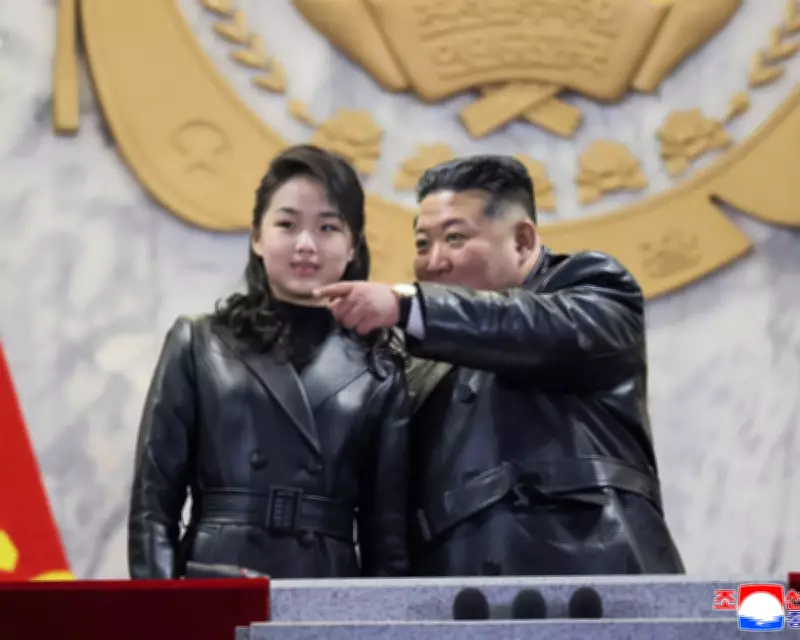
Ju Ae has been increasingly visible at high-profile state events, including military parades and official inspections, where she has been photographed alongside her father. State media outlets, such as the Korean Central News Agency (KCNA), have prominently featured her in reports, often highlighting her presence at key moments. This strategic visibility marks a notable shift in the regime's approach to showcasing its leadership lineage.
Analysts observe that these appearances are carefully orchestrated to build her public profile and legitimacy within North Korea's political framework. The emphasis on her involvement in state affairs suggests a deliberate effort to prepare her for a future role, potentially as the next leader of the country.
Historical Context and Succession Dynamics
Succession in North Korea has historically followed a familial line, with power passing from Kim Il Sung to Kim Jong Il and then to Kim Jong Un. The potential inclusion of Ju Ae in this lineage would represent a continuation of this dynastic tradition, albeit with a focus on a younger generation. However, her exact age and background remain shrouded in secrecy, typical of the regime's opaque nature.
Speculation about her succession is further fueled by the lack of clear male heirs and Kim Jong Un's health concerns, which have been a subject of international discussion. This has led observers to consider that the regime might be grooming Ju Ae to ensure stability and continuity in leadership.
Global Reactions and Implications
The international community is closely monitoring these developments, as any change in North Korea's leadership could have profound implications for regional security and global diplomacy. Countries like South Korea, the United States, and Japan are assessing the potential impact on nuclear negotiations and geopolitical tensions.
Experts note that while Ju Ae's emergence as a successor candidate signals a possible shift, it does not guarantee a smooth transition. Internal power struggles and the challenges of maintaining control in a highly militarized state could complicate the process. Nonetheless, her rising prominence underscores the regime's efforts to project an image of continuity and preparedness for the future.
Conclusion
As North Korea navigates its complex political landscape, the spotlight on Ju Ae highlights the enduring influence of the Kim family dynasty. Her potential succession would mark a new chapter in the country's history, with far-reaching consequences for both domestic governance and international relations. The world watches with keen interest as this story unfolds, awaiting further clues from Pyongyang's tightly controlled media.