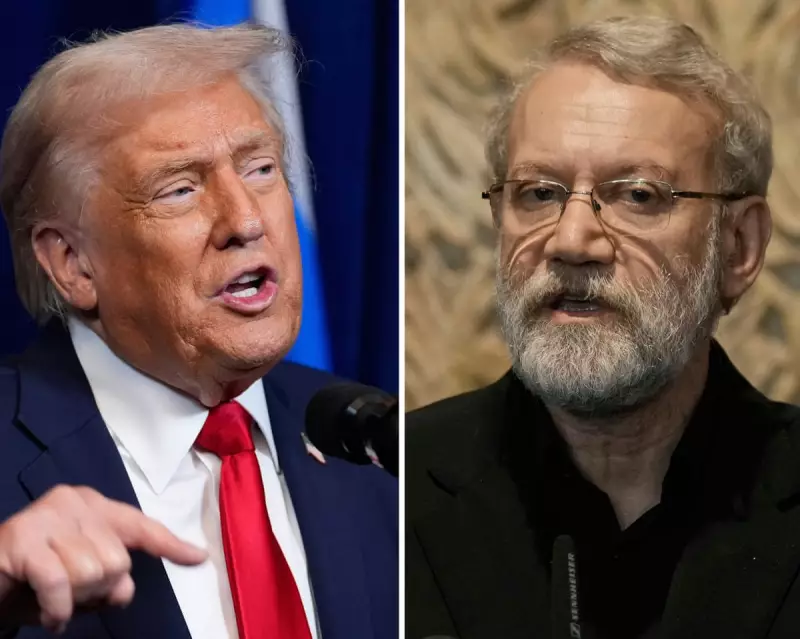
Senior Iranian officials have issued a stark warning to former US President Donald Trump, stating that any American interference in the country's domestic protests would cross a "red line" and trigger a severe response. The warnings come after Trump threatened on social media that the US would "come to the rescue" of Iranian demonstrators if the government used lethal force.
Trump's 'Locked and Loaded' Threat
In a post on Friday, Trump declared, "We are locked and loaded, and ready to go," vowing American action if Iranian security forces shot and killed protesters. This threat has significantly escalated diplomatic tensions between the two nations, which were already strained by recent accusations from Trump that Iran is rebuilding its nuclear programme.
The current wave of protests, now in their sixth day, represents the largest public unrest in Iran since the 2022 demonstrations triggered by the death of Mahsa Amini. The latest unrest was sparked by a dramatic plunge in the value of the national currency. On Sunday, the Iranian rial plummeted to approximately 1.4 million to the US dollar, worsening an already severe economic crisis.
Iran's 'Regret-Inducing' Response
In swift retaliation to Trump's comments, key Iranian figures delivered forceful rebukes. Ali Shamkhani, an adviser to Supreme Leader Ayatollah Ali Khamenei, stated that Iran's national security was a "red line, not material for adventurists tweets." He warned on X, formerly Twitter, that any intervening hand would be "cut off with a regret-inducing response."
Another senior official, Ali Larijani, secretary of Iran's Supreme National Security Council, directly blamed Trump for initiating a dangerous confrontation. "The American people must know that Trump is the one that started this adventure," Larijani wrote, cautioning Americans to "pay attention to the safety of their soldiers." He and other officials have repeatedly accused the US and Israel of fomenting the protests.
The protests, which began in Tehran, have spread to other cities including Isfahan. While economic hardship is the central grievance, footage has emerged of security forces carrying shotguns, with audible gunfire in the background. Seven people have been confirmed killed, including a member of the Basij security force.
Domestic Unrest and International Tensions
Initially, Iran's President, Masoud Pezeshkian, adopted a more conciliatory tone than during the 2022 crackdown, inviting protest leaders for talks and acknowledging their "legitimate demands." However, the recent fatalities suggest authorities may be hardening their stance. A statement from the Iranian Revolutionary Guards Corps on Monday warned of a harsh line against foreign interference or internal "sedition."
As Iran contends with internal dissent, it is also attempting to deflect US allegations about its nuclear ambitions. Iranian authorities have stated they are no longer enriching uranium and have signalled openness to negotiations with the West. This complex situation underscores the volatile intersection of domestic economic protest and longstanding geopolitical hostility, with Trump's re-engagement threatening to destabilise the region further.