A devastating fire at a Swiss ski resort nightclub on New Year's Eve, which claimed at least 40 lives, has been linked to indoor fireworks, reigniting urgent concerns over the use of pyrotechnics in crowded venues.
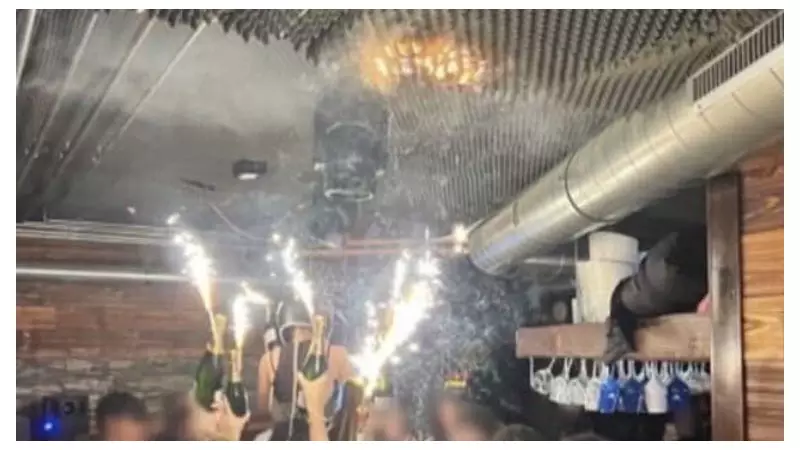
Emergency services are still working to identify all victims of the inferno at the Le Constellation bar in Crans-Montana. Officials revealed at a press conference that the probable cause was sparkler candles placed on champagne bottles.
Local attorney general Beatrice Pilloud stated the flares were held too close to the ceiling, triggering a rapid 'flashover' that caused the fire to spread with deadly speed. An investigation will also examine whether a type of foam on the bar's ceiling contributed to the fire's intensity.
A Global Pattern of Tragedy
This Swiss disaster is the latest in a long, grim history of fatal nightclub fires where indoor fireworks have been the catalyst. These incidents often occur in cramped, dark spaces where panic can quickly take hold.
Just weeks before, in December 2025, 25 people died in a nightclub fire in Goa, India, after electrical firecrackers were set off inside the venue. In March 2025, a pyrotechnic flame during a band performance at the Pulse club in Kocani, North Macedonia, killed 63 people and injured over 200, with a stampede at a single exit worsening the toll.
The list extends back years: a 2022 blaze in Yaounde, Cameroon, killed 17 after fireworks set the roof alight; the 2015 Colectiv nightclub fire in Bucharest killed 64; the 2013 Kiss nightclub fire in Brazil claimed over 200 lives; and the 2003 Station nightclub fire in Rhode Island, USA, killed 100.
The Human Factor in Fire Escapes
A chillingly common thread in these disasters is human behaviour during evacuation. Fire safety experts note that people overwhelmingly try to exit the way they entered, even if other exits are available.
This was tragically evident in the 2003 Station fire and appears to have been repeated in Crans-Montana, where most patrons reportedly fled towards the entrance despite other exits being present.
Fire safety expert Steve Dudeney argues that trained staff may be needed to physically direct people towards all available exits during a crisis. "You have to show people what to do," he says, highlighting that clear signage alone is often insufficient in the panic of a fast-moving fire.
Investigations and Lasting Consequences
The Swiss investigation continues, focusing on both the ignition source and the materials within the venue. The consequences of such fires often extend far beyond the immediate tragedy.
The 2015 Colectiv fire in Romania led to mass public protests over perceived government corruption and negligence, ultimately forcing Prime Minister Victor Ponta and his cabinet to resign.
Each new incident serves as a stark reminder of the volatile combination of indoor pyrotechnics, flammable materials, and crowded spaces. As communities in Crans-Montana and beyond mourn, the repeated pattern of these preventable tragedies raises pressing questions about global safety enforcement in entertainment venues.