Second Round of Iran-US Nuclear Talks Opens in Geneva Amid Heightened Military Posturing
A fresh round of indirect negotiations between Iran and the United States concerning Tehran's nuclear program has commenced in Geneva, Switzerland, with discussions primarily centered on the conditions for Iran to constrain its nuclear activities under the supervision of the United Nations nuclear weapons inspectorate. The talks are unfolding against a backdrop of escalating military maneuvers and contradictory diplomatic signals from Washington.
Oman Mediates as Trump Sends Mixed Messages
Oman continues to serve as the mediator in these delicate discussions, facilitating the exchange of messages that have persisted since the initial phase of talks began on February 6. The diplomatic efforts are occurring alongside a now-familiar pattern of mixed messages from former US President Donald Trump, who has simultaneously expressed belief that Iran desires a deal while highlighting a significant US naval buildup in the region.
Iran's Supreme Leader, Ali Khamenei, responded to the presence of US warships off the coast of Oman by asserting that the United States could not destroy the Islamic Republic and issuing a veiled threat against the vessels. Khamenei remarked that warships are dangerous, but "more dangerous than a warship is a weapon that can send it to the bottom of the sea."

Military Exercises and Economic Incentives on the Table
In a move that further escalates tensions, Iran announced the closure of parts of the Strait of Hormuz on Tuesday to allow the Iranian navy to conduct live-fire military exercises. A full closure of this narrow, strategically vital waterway, which is controlled by Iran, would cause significant disruption to global commercial shipping. Meanwhile, the Iranian delegation, led by Foreign Minister Abbas Araghchi, has proposed economic sweeteners to the US, including a prosperity package and a non-aggression pact between Iran and the US, potentially extending to Israel.
Hamid Ghanbari, Iran's foreign ministry deputy director for economic diplomacy, emphasized that for any agreement to be durable, the US must also benefit economically. "Common interests in the oil and gas fields, joint fields, mining investments, and even aircraft purchases are included in the negotiations," he stated, adding that the liberation of Iran's blocked resources is a key part of the discussions.
IAEA Verification at the Core of Negotiations
Verification of Iran's nuclear industry remains a central focus of this round of talks. Any deal to constrain Iran's nuclear program would necessitate a full return of International Atomic Energy Agency (IAEA) inspectors to Iran's nuclear facilities. Iran has offered to dilute its stockpile of uranium enriched to 60% but opposes exporting the stockpile abroad, likely to Russia. Previous talks in Cairo on protocols granting the IAEA full access to three main nuclear sites broke down, leaving only a small number of inspectors in Iran with limited knowledge of the damage from past bombings or the status of centrifuges.
Domestic Unrest and Political Repression in Iran
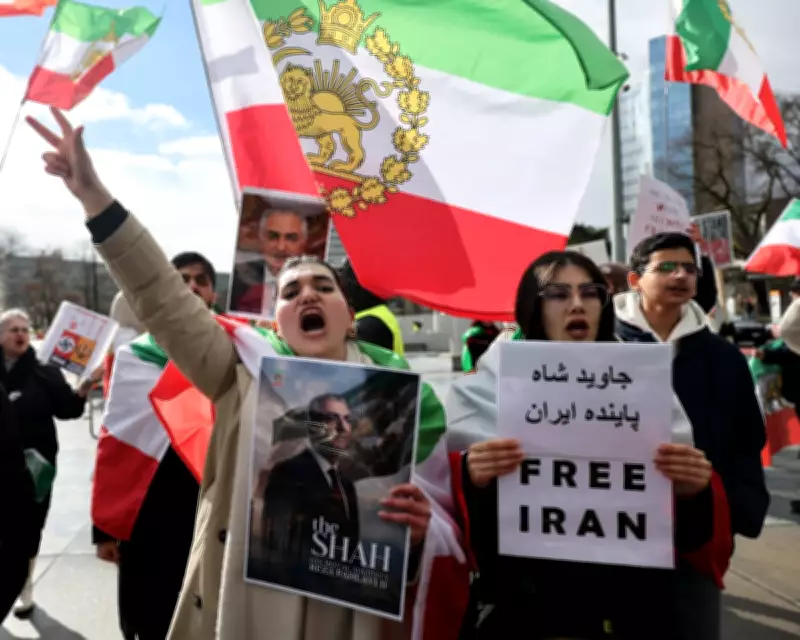
As negotiations proceed, domestic unrest in Iran continues, with security services arresting numerous leading Reformist politicians and thousands of young demonstrators. An Executive Committee for the Establishment of a National Salvation Front of Iran has formed around principles set by former Prime Minister Mir-Hossein Mousavi, advocating for non-interference by foreign powers, rejection of internal despotism, and a democratic transition. In response, the judiciary reported that 10,538 protesters have been summoned for trial, with widespread allegations of coerced confessions and denial of legal representation.
The talks, while narrowly focused on nuclear constraints, are thus set against a complex tapestry of military posturing, economic bargaining, and internal political strife, underscoring the fragile and multifaceted nature of US-Iran relations.