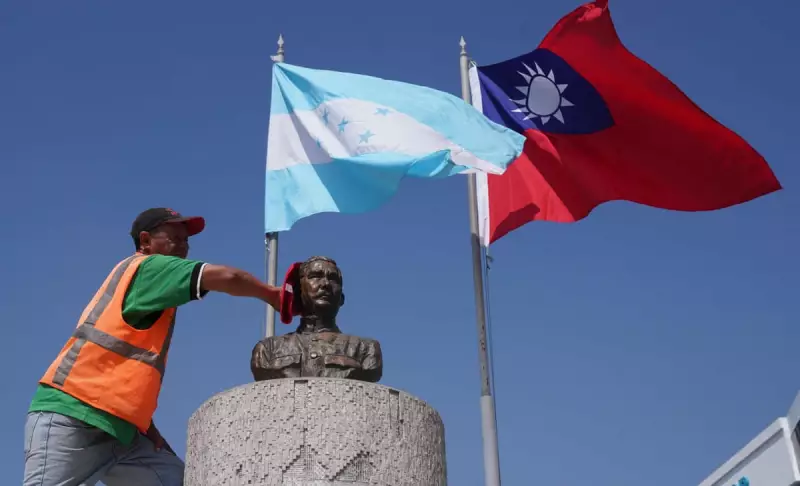
The recent, tightly contested presidential election in Honduras has produced an unexpected victor thousands of miles away: Taiwan. Despite an uncalled result following weeks of technical issues and fraud allegations, both leading candidates have made a striking pledge to sever diplomatic relations with Beijing and re-establish them with Taipei.
A Dramatic Reversal for Beijing's Influence
This move would reverse the sensational decision made in March 2023 by the then-president, Xiomara Castro, to end Honduras's 82-year relationship with Taiwan. At that time, Honduras became the ninth nation in a decade to switch allegiance from Taipei to Beijing, part of China's intense campaign to isolate Taiwan internationally. However, a growing sentiment of buyer's remorse appears to be setting in across the region.
"For Honduras there has been absolutely no benefit from [the relationship with China]," stated Salvador Nasralla, the Liberal party candidate. His opponent, former Tegucigalpa mayor Nasry Asfura, who received an endorsement from former US President Donald Trump days before the vote, concurred: "We were 100 times better off with Taiwan."
The High Cost of Choosing Sides
Taiwan's diplomatic space has been squeezed relentlessly, leaving it with just 12 formal allies worldwide. Beijing's strategy often triggers a bidding war of financial inducements, sometimes mired in corruption allegations. In the past decade, Honduras was the fifth Central American and Caribbean nation, following Panama, the Dominican Republic, El Salvador, and Nicaragua, to cut ties with Taipei.
Those holding out face immense pressure. During the pandemic, Guatemala, Taiwan's most populous remaining ally, was reportedly urged to recognise China in exchange for vaccine aid. Diplomats from Taiwan's allies have described tactics ranging from promises of major infrastructure investment to intimidating visits and sudden bans on Chinese tourism.
Broken Promises and Geopolitical Games
Now, a combination of US pressure, unmet Chinese promises, and corruption scandals is halting Taiwan's diplomatic slide in Latin America. The cost-benefit analysis is shifting. In Honduras, shrimp exports collapsed when promised Chinese buyers failed to replace the 40% of exports previously absorbed by Taiwan. In Panama, major Chinese infrastructure projects have faced chronic delays or cancellations.
Public opinion has also been swayed by revelations about the methods of diplomatic switching. Leaked messages from former Panamanian president Juan Carlos Varela's phone suggested his family business benefited from multi-million-dollar orders post-recognition, allegations he denies. In a separate case, the head of a Chinese business association in Paraguay told undercover reporters "we'll pay bribes" to establish relations.
The US Factor and a Transactional Region
Geopolitics, however, often outweighs pure economics. According to Professor Evan Ellis of the US Army War College, aligning with Taiwan has become a form of "virtue signalling" allegiance to US influence. "The US is pushing back against China in the region and countries choosing to stay with Taiwan is part of this," he says. "The expectation is that they will be rewarded."
Honduras, where Trump both endorsed a candidate and pardoned a former president for drug trafficking in one week, exemplifies this transactional dynamic. Following Trump's threats to "take back" the Panama Canal, Panama said it would not renew its Belt & Road Initiative membership and launched legal action against two Chinese-run ports. US firms are now well-placed for new projects there.
With the US shifting focus to the Caribbean, smaller nations are taking note. The recently elected president of St Vincent and the Grenadines, Godwin Friday, dropped his party's pledge to recognise China. As Professor Ellis notes, "It's not the time for a small Caribbean island... to be flipping to the PRC." For now, Taiwan's diplomatic fortunes in Latin America have found an unexpected, if fragile, reprieve.