In a harrowing first-person account, Palestinian journalist Plestia Alaqad has detailed the brutal and claustrophobic reality of daily life for civilians trapped inside the Gaza Strip. Her testimony, originally published in December 2024, paints a vivid picture of a world that is physically and psychologically shrinking under the weight of sustained conflict and siege.
A World Reduced to Rubble and Fear
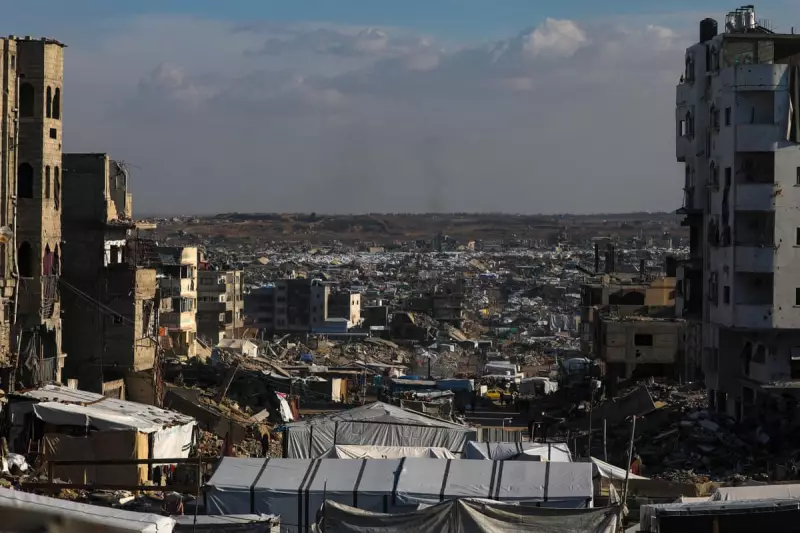
Alaqad describes an existence where the fundamental geography of home and safety has been obliterated. Neighbourhoods, schools, and hospitals have been reduced to ruins, transforming familiar landscapes into fields of debris. For the millions of Palestinians sheltering in Gaza, the concept of a safe zone has become a cruel illusion, constantly shifting and ultimately vanishing.
The journalist articulates the profound psychological impact of this physical destruction. The world, she explains, is not just being damaged—it is actively shrinking. Each bombed building, each inaccessible street, and each collapsed communication tower further contracts the space in which people can exist. This creates an overwhelming sense of entrapment, a feeling of being caged in a territory under relentless assault with no avenue for escape.
The Struggle to Bear Witness
As a journalist, Alaqad's role is to document this reality, a task that has become increasingly perilous and soul-destroying. She speaks of the immense burden of reporting on the deaths of colleagues, friends, and strangers while grieving herself. The international community, she feels, watches a sanitised version of events, often detached from the raw human suffering that defines every hour in Gaza.
The collapse of reliable internet and communication networks has severed a critical lifeline, both for Palestinians desperate to contact loved ones and for journalists like Alaqad trying to share their stories with the outside world. This digital blackout compounds the physical isolation, making those inside feel even more abandoned and invisible.
A Deepening Humanitarian Catastrophe
Beyond the immediate horror of airstrikes, Alaqad's account underscores the slow, grinding crisis of survival. She details the desperate scramble for basics: food, clean water, and medical care. Hospitals, overwhelmed and under-equipped, are operating in unimaginable conditions, with doctors forced to perform surgeries without adequate anaesthesia or power.
The narrative powerfully challenges abstract political and military discourse by foregrounding the human cost. It is a story of children orphaned, families obliterated, and a generation traumatised. The 'world shrinking' is not merely metaphorical; it is the literal erosion of any prospect for a normal life, education, or future.
Alaqad's testimony stands as a stark indictment of the ongoing conflict and the international response. It moves beyond statistics to deliver a visceral, personal account of what it means to live under siege, where the borders are sealed, the skies are threatening, and the very earth is unstable. Her words are a plea for recognition, a demand that the world sees the people of Gaza not as collateral damage but as individuals whose world is being systematically erased.