In a striking departure from the norm, the EU's top enlargement official recently took to the airwaves of Moldovan television. Marta Kos, the European Commissioner, appeared not in a formal diplomatic setting but as a guest news anchor, delivering a momentous update: Moldova had made more progress towards EU membership in three years than in the prior three decades, with formal negotiations set to begin imminently.
From Bureaucrats to Bakers: A New Style of Diplomacy
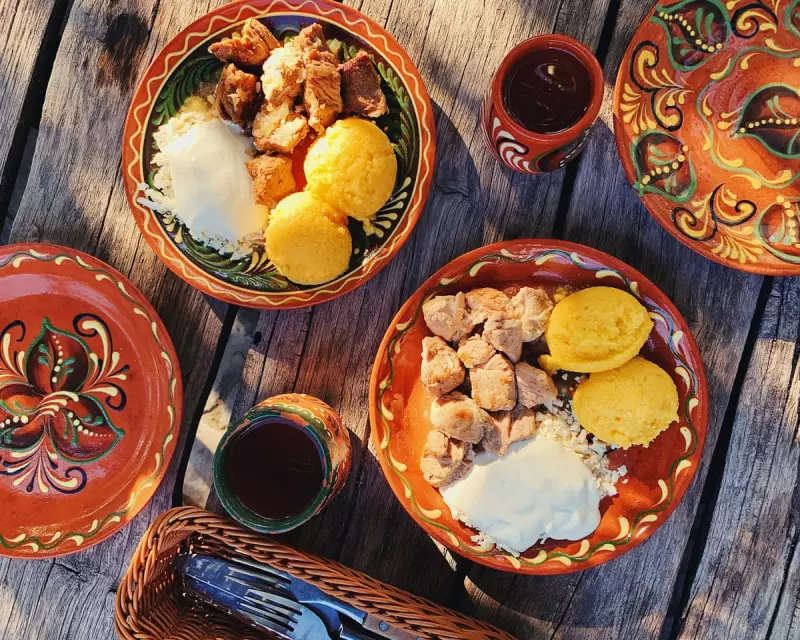
This unconventional media appearance was just one part of a broader, more relatable strategy. Shortly after, Commissioner Kos featured in the Instagram stories of prominent Moldovan influencers, Emilian and Nina Crețu, hosting them at her Brussels home for a workshop on making traditional Moldovan pies. In another deft move, she facilitated a rare meeting between the heads of Moldova's two largest Orthodox churches, despite their historical animosity.
This marks a conscious shift from stiff, technocratic communication. The EU is now striving to involve civil society and the public directly in the enlargement process, learning from the 2004-2013 expansion phase which largely engaged only political elites. For candidate countries like Albania, Montenegro, and Moldova, EU membership represents a lifeline, promising stability, prosperity, and the rule of law. Yet the accession process itself is arduous and technical, difficult to render compelling for the average citizen.
Battling Skepticism and Building Bridges
Public support in Moldova for EU integration fluctuates, with polls showing between 53% and 65% in favour. Pro-European Moldovans see a future of peace and opportunity for their children. Conversely, EU-skeptic views, often fuelled by Russian propaganda, warn of lost sovereignty, tradition, and economic competitiveness. Other Kremlin narratives suggest the EU is on the brink of collapse or simply has no desire to integrate a small nation of 2.4 million people.
Within the EU itself, a Eurobarometer survey found 56% of citizens believe their country would benefit from further enlargement. However, about two-thirds admitted to feeling poorly informed about the process, with migration cited as a primary concern.
Integration, Identity, and the Power of Pop Culture
Addressing these challenges requires more than political negotiation. With an ageing population, the EU relies on migrant workers from member and candidate states. For a "more perfect union," these individuals must be seen as more than economic units. Genuine integration requires support, such as language classes, to foster cultural exchange and prevent isolation, which can sometimes lead to political radicalisation.
Beyond migrant integration, the EU must also compete in the arena of soft power. Russia has long used entertainment—like the comedy show KVN or the skating programme Ice Age—to maintain cultural influence across the former Soviet space. While events like Eurovision unite Europeans temporarily, there is a call for more permanent, shared cultural experiences.
Imagine continent-wide broadcasts of Europe's Got Talent, The Voice of Europe, or The Great European Bake-Off. Such blockbuster shows could create common cultural touchstones, building a stronger, more inclusive European identity from the bottom up.
If the EU is serious about a deeper, more harmonious integration, it must meet people where they are. This means moving beyond dry reports and creating authentic connections through language, shared stories, and the unifying force of popular culture. The future of the union may depend not just on political will, but on its ability to speak to the hearts, not just the minds, of its citizens.