The European Union's top diplomat has moved to steady the transatlantic alliance following the release of a contentious US policy document from the Trump administration that voiced support for nationalist parties across the continent.
Controversial US Strategy Paper Backs Far-Right
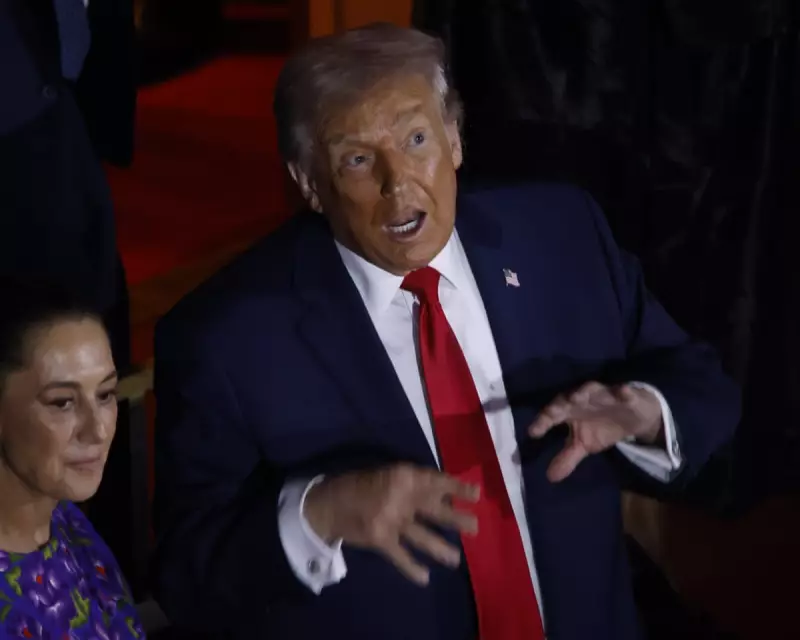
On Friday, the Trump administration released its 33-page US National Security Strategy. The document, which featured a signed introduction from former President Donald Trump, made explicit Washington's backing for Europe's nationalist far-right movements.
Alarmingly, the text appeared to endorse the racist "great replacement" conspiracy theory. It warned that several nations risked becoming "majority non-European" and claimed Europe faced "the real and stark prospect of civilizational erasure".
EU's Kallas Responds at Doha Forum
The following day, Saturday, EU foreign policy chief Kaja Kallas addressed the issue head-on while speaking at the Doha Forum, an annual diplomatic conference in Qatar's capital. According to AFP reports, Kallas directly referenced the policy paper.
"Of course, there's a lot of criticism, but I think some of it is also true," Kallas stated, acknowledging the discord. However, she was quick to reaffirm the foundational bond, declaring, "US is still our biggest ally."
She elaborated on the complex nature of the partnership, noting, "I think we haven't always seen eye to eye on different topics, but I think the overall principle is still there. We are the biggest allies, and we should stick together."
Navigating a Fractured Political Landscape
Kallas's comments highlight the delicate balancing act facing European leaders. They must publicly manage disagreements with a key ally while privately grappling with a US political strategy that explicitly champions their domestic political opponents.
The incident underscores the ongoing challenges in EU-US relations, where strategic unity on issues like the war in Ukraine coexists with profound ideological divisions. The release of the document serves as a stark reminder of how US domestic political shifts can directly impact European political stability and diplomatic discourse.
Ultimately, Kallas's statement was a pragmatic effort to de-escalate tensions and emphasise enduring cooperation over divisive rhetoric, aiming to preserve the core of the transatlantic partnership despite significant political headwinds.