A fragile peace agreement for the Democratic Republic of Congo, signed just one day earlier in Washington, has been shattered by a violent return to hostilities, triggering a desperate new wave of displacement.
Washington Agreement Unravels Overnight
The deal, brokered by the United States, was intended to halt years of brutal conflict in the country's volatile east. It was signed on Wednesday, 4 December 2025, by representatives of the Congolese government and the M23 rebel group. However, by Thursday afternoon, the sound of heavy weapons fire had replaced any hope of calm.
Residents of Kanyabayonga, a strategic town in North Kivu province, reported intense fighting involving artillery and heavy machine guns. The clashes reportedly pitted the M23 against Congolese army forces and allied militias, directly violating the freshly-inked ceasefire terms.
A Desperate Flight for Safety
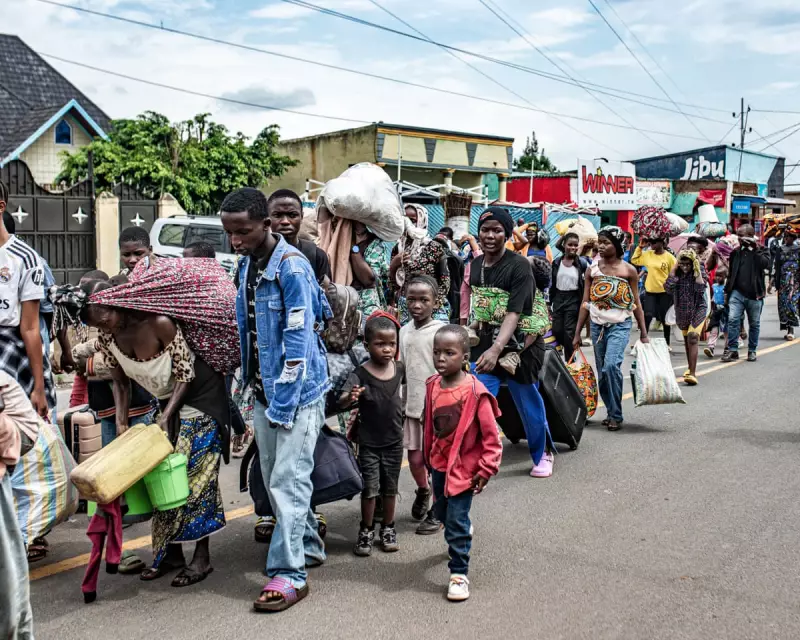
The immediate consequence was a chaotic and terrified exodus. Eyewitnesses described scenes of panic as civilians grabbed what few belongings they could carry and fled on foot, by motorcycle, or in overcrowded vehicles.
Local civil society groups estimate that several thousand people were forced from their homes in a matter of hours. Many are now stranded on the roads, lacking food, water, or shelter, with aid agencies struggling to respond to the sudden emergency.
One displaced man, speaking to the Guardian, captured the collective despair: "We thought the peace deal would bring us security. We were wrong. We heard bombs and we started running. We don't know where to go."
International Condemnation and a Deepening Crisis
The rapid collapse of the agreement has drawn sharp international criticism and raised serious questions about the viability of the peace process. The United States, which hosted the talks, has expressed deep concern and called for an immediate return to the ceasefire.
This latest eruption of violence is a severe blow to efforts aimed at ending a conflict that has displaced over seven million people within the DRC, creating one of the world's most severe and protracted humanitarian disasters. The fighting also exacerbates regional tensions, with Rwanda accused of backing the M23—a claim it denies.
The situation on the ground remains extremely fluid and dangerous. With trust in the peace process now critically damaged, the path forward for the beleaguered communities of eastern DRC appears more uncertain and perilous than ever.