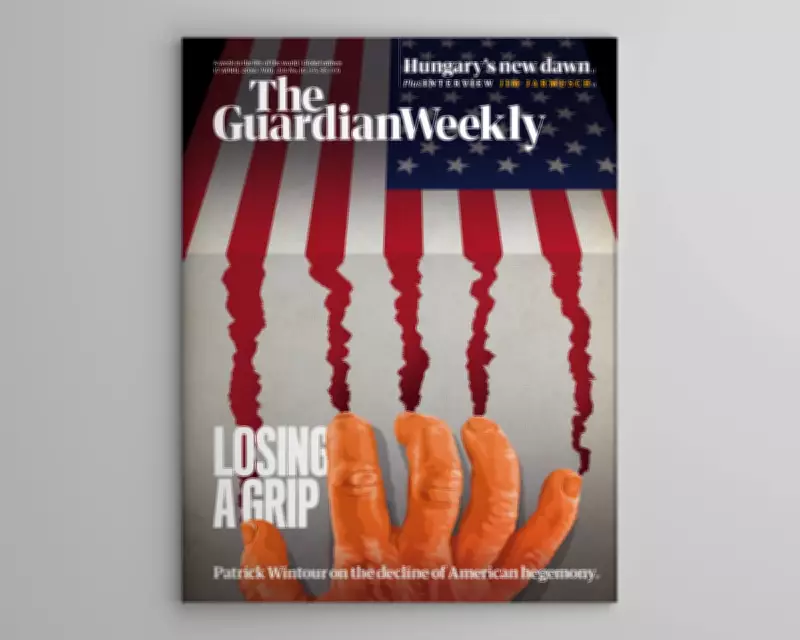
America's Loosening Grip: Inside the Changing Global Order
Recent analysis indicates a significant shift in America's global influence, as emerging powers increasingly challenge its traditional dominance in international affairs. This transformation is reshaping geopolitical dynamics across multiple continents, with profound implications for diplomacy, trade, and security.
The Rise of New Global Players
Countries in Asia, Africa, and South America are asserting greater autonomy and forming alliances that bypass traditional Western-led institutions. This trend is accelerating as economic growth and technological advancements empower these nations to pursue independent foreign policies.
Key developments include:
- Expanded trade agreements between non-Western nations
- Increased military cooperation among emerging powers
- Growing influence in international organizations
- Alternative financial systems reducing dollar dependence
Implications for International Relations
The changing balance of power is creating a more multipolar world where no single nation holds uncontested authority. This environment presents both challenges and opportunities for global cooperation on issues ranging from climate change to conflict resolution.
Diplomatic strategies are evolving as nations navigate this new landscape, with traditional alliances being tested and new partnerships forming across ideological lines. The United States faces the complex task of maintaining its leadership role while adapting to these structural changes in the international system.
Economic and Strategic Consequences
As America's relative economic weight decreases, its ability to set global standards and enforce international norms is being questioned. Meanwhile, emerging powers are developing their own technological capabilities and infrastructure projects that compete with Western models.
The long-term consequences of this power redistribution remain uncertain, but analysts agree that the 21st century will see continued rebalancing of global influence away from the post-Cold War unipolar moment toward a more complex and contested international order.