Albanese's Strategic Singapore Visit Amid Australia's Fuel Crisis
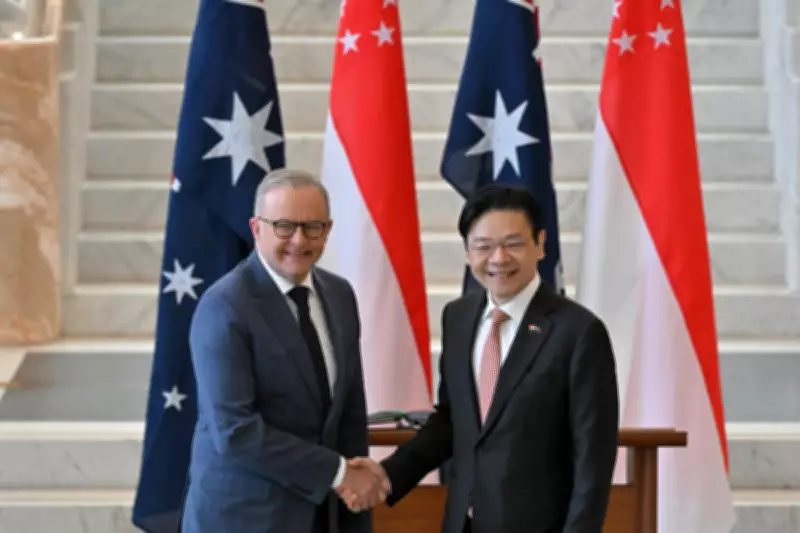
Prime Minister Anthony Albanese has embarked on a crucial diplomatic mission to Singapore, meeting with his counterpart Lawrence Wong to address pressing energy security concerns. The annual leaders' meeting, typically held later in the year, was brought forward due to escalating fuel shortages affecting both nations. This marks Albanese's third official visit to Singapore as prime minister, underscoring the strategic importance of this bilateral relationship.
Why Singapore Matters in Australia's Fuel Equation
Singapore serves as a critical hub in Australia's fuel supply chain, despite not being a major crude oil producer. The city-state operates one of the world's three largest fuel refining centers, processing approximately 1.3 million barrels daily. This refining capacity makes Singapore Australia's largest supplier of refined petroleum products, accounting for more than a quarter of total imports.
The economic ties between the two nations are substantial, with bilateral trade reaching nearly $48 billion in the 2024-25 period. Singapore ranks as Australia's sixth-largest global trading partner and its most significant economic partner in Southeast Asia. The relationship is fundamentally built on energy exchange: Australia supplies 32% of Singapore's liquefied natural gas (LNG), valued at approximately $5 billion, while Singapore provides 55% of Australia's petrol imports.
Middle East Conflict Impacts Both Nations
The ongoing conflict in the Middle East has created vulnerabilities for both countries' energy security. Australia faces potential shortages of oil, petrol, and diesel, while Singapore's gas supply has been threatened by Iranian targeting of LNG facilities in Qatar. These developments have elevated energy security to the top of the bilateral agenda.
During his visit, Albanese toured Jurong Island, Singapore's primary oil refining complex housing facilities operated by major corporations including ExxonMobil. The prime minister emphasized the mutual trust between the nations, stating, "We have each other's word and indeed we have each other's back at this time."
What Outcomes Are Expected from the Summit?
While Australian officials have tempered expectations of major new fuel supply agreements emerging from the meeting, the accelerated timing suggests tangible outcomes are possible. Energy Minister Chris Bowen indicated Singapore could become a source for Australian refineries under new government-backed export financing arrangements.
Opposition Leader Angus Taylor has called for concrete assurances regarding uninterrupted fuel supplies from Singapore. The government has been actively engaging multiple Asian partners to secure fuel flows, with ministers conducting diplomatic outreach to China, Brunei, Japan, and other key nations.
Broader Regional Energy Security Efforts
Assistant Foreign Affairs Minister Matt Thistlethwaite highlighted Australia's deep regional energy dependencies, noting that over three-quarters of refined fuels come from Asian sources. Beyond Singapore's dominant position in petrol supply, South Korea provides a quarter of Australia's diesel, China supplies a third of aviation fuel, and Malaysia contributes more than 10% of all fuel imports.
The government's multi-pronged approach includes diplomatic engagement across Asia, where more than 80% of Australia's sea trade transits through regional waters. This comprehensive strategy recognizes that Australia's economic security is inextricably linked to regional stability and reliable energy partnerships.