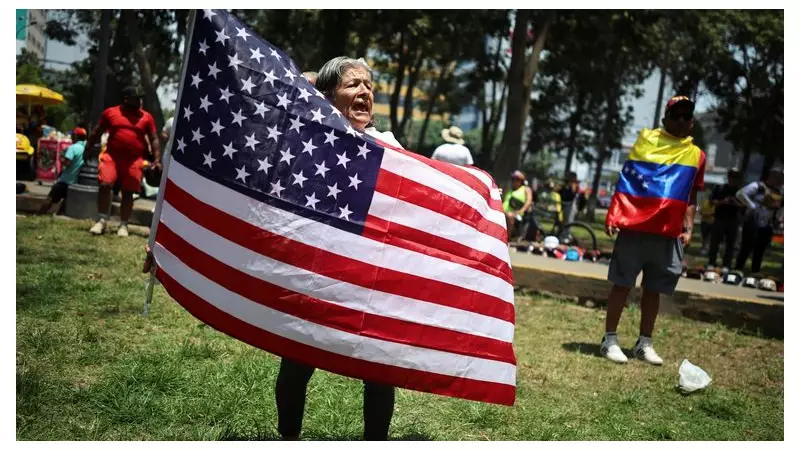
In a dramatic escalation of his foreign policy, US President Donald Trump has sent shockwaves across the globe by deploying troops to capture Venezuelan leader Nicolas Maduro. The operation, conducted over the weekend of 3-4 January 2026, has raised urgent questions about which nations could face similar muscular intervention from the Trump administration next.
Neighbouring Nations on High Alert
Speaking after the Venezuela raid, President Trump turned his attention to neighbouring Colombia. He launched a fierce verbal attack on the country's leftist president, Gustavo Petro, who is already under US sanctions over alleged links to the drug trade. "Colombia is run by a sick man who likes making cocaine and selling it to the United States," Trump stated. He added ominously that Petro "is not going to be doing it for very long." When asked if he might order an operation against Colombia, the President replied, "It sounds good to me."
The alarm is also sounding in Cuba, a long-time ally of Venezuela and Russia. Trump declared the Cuban economy "is going down for the count," suggesting its situation would worsen without subsidised oil from the deposed Maduro regime. US Secretary of State Marco Rubio, a proponent of regime change in Havana, revealed that Cuban bodyguards were protecting Maduro and claimed 32 Cuban officers were killed in the US operation. "If I lived in Havana and I was in the government, I'd be concerned at least a little bit," Rubio warned.
Border Tensions and Territorial Ambitions
Closer to home, Mexico has found itself in Trump's crosshairs. In remarks interpreted as a threat of possible military action, the President argued that "Mexico has to get their act together" on drug trafficking. He claimed to have repeatedly offered US troops to Mexican President Claudia Sheinbaum, whom he described as "a little afraid."
Further afield, the future of Greenland remains a point of contention. In an interview with The Atlantic published on Sunday 4 January, Trump asserted, "We do need Greenland, absolutely. We need it for defence." This revives previous speculation about the US seeking to acquire the mineral-rich territory, which is under the jurisdiction of NATO ally Denmark. Danish Prime Minister Mette Frederiksen swiftly rebuffed the idea, urging the US "to stop threatening a historically close ally."
Iran: A Regime Under Pressure
The Islamic Republic of Iran, already grappling with its largest domestic protests in three years and a battered economy, is another potential flashpoint. On Friday 2 January, Trump threatened to come to the aid of Iranian protesters, declaring "we are locked and loaded and ready to go." This follows US involvement in strikes on Iranian nuclear facilities last year. Supreme Leader Ayatollah Ali Khamenei has vowed Iran "will not yield to the enemy."
The capture of Nicolas Maduro marks a significant shift towards a more aggressive and unilateral American foreign policy. With President Trump openly criticising and threatening several nations, the international community is now watching closely to see where this doctrine of coercion will be applied next.