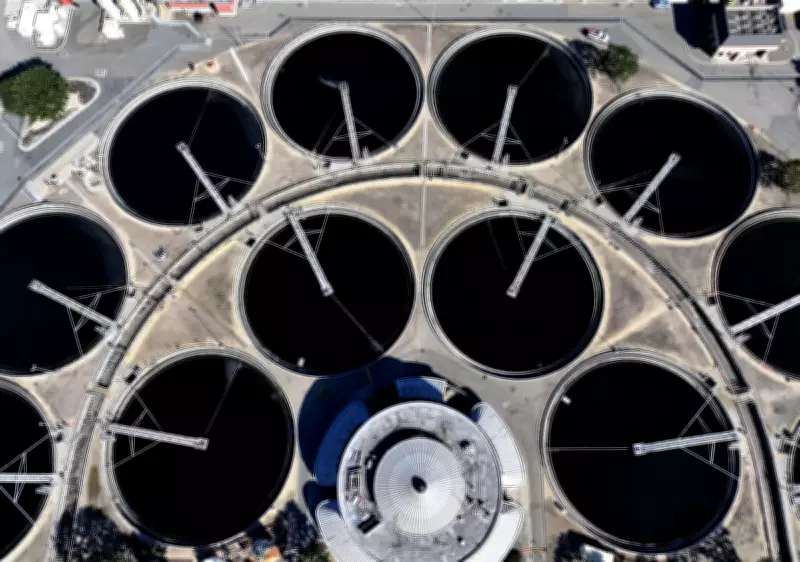
Multiple top-tier United States security agencies have issued a stark joint warning regarding Iran-affiliated cyber-attacks targeting critical infrastructure across the nation. The advisory, released on Tuesday, specifically urges municipalities, particularly those operating within the water and energy sectors, to heighten vigilance for any unusual or suspicious digital activity that could indicate a breach.
Immediate Threat to Public Health and Safety
Jeffrey Hall, an assistant administrator for enforcement and compliance assurance at the Environmental Protection Agency (EPA), underscored the grave dangers posed by such cyber intrusions. "Cyberattacks on drinking water and wastewater systems directly threaten public health and community resilience," Hall stated emphatically. "A single successful breach has the potential to disrupt essential treatment processes, introduce dangerous contaminants into the water supply, cause significant physical damage to equipment, and severely erode the foundational trust the public places in these vital services."
Broad Coalition of Agencies Issues Advisory
The advisory was a collaborative effort from a formidable coalition of federal agencies, including the Environmental Protection Agency (EPA), the Federal Bureau of Investigation (FBI), the Cybersecurity and Infrastructure Security Agency (CISA), the National Security Agency (NSA), the Department of Energy, and the US Cyber Command. While the notice did not provide specific details on whether any facilities have already been successfully targeted or have sustained damage, its broad issuance signals a high level of concern among national security officials.

Focus on Industrial Control Systems
The government advisory alleges that the hackers, believed to be backed by Iran's Islamic Revolutionary Guard Corps, are concentrating their efforts on a specific type of industrial hardware. The attacks are reportedly focusing on a widely utilized device known as a "programmable logic controller" (PLC) that is manufactured by the company Rockwell Automation. Siemens, another major manufacturer of similar industrial control devices, was not mentioned in the advisory. The agencies strongly urged any municipalities or utilities using these Rockwell Automation PLCs to immediately verify that the devices are not connected to the public internet, a common vulnerability point.
Historical Context of Iranian Cyber Operations
Iran has faced longstanding accusations from the international community for orchestrating cyber-attacks against various nations. Notable incidents allegedly linked to Iranian actors include a massive power outage that struck Turkey in 2015 and several potential breaches of Israeli government websites in 2022. The United States has previously alleged that an Iran-affiliated hacking group known as "CyberAv3ngers" executed a significant campaign in 2023, compromising at least 75 devices across multiple critical infrastructure sectors within the US. Conversely, Iran has consistently accused the United States and Israel of conducting cyber-attacks against its own infrastructure, including targeting its nuclear centrifuges and weapons systems.
Geopolitical Tensions Provide Backdrop
This cybersecurity warning emerged against a volatile geopolitical backdrop. Former President Donald Trump recently escalated his rhetoric against Iran, posting on social media in the early hours of Tuesday with a stark ultimatum. Trump warned that "a whole civilization will die tonight, never to be brought back again" if Iran did not acquiesce to his demands. Shortly before a stated deadline on Tuesday evening, the US and Iran reportedly agreed to a provisional ceasefire, with Tehran conditionally agreeing to reopen the strategic Strait of Hormuz if the United States suspended planned military strikes.
The joint advisory from US agencies represents a proactive, albeit alarming, step to harden the nation's defenses. It highlights the evolving nature of modern geopolitical conflicts, where cyber warfare against civilian infrastructure has become a preferred tool for state and non-state actors, posing a clear and present danger to national security and everyday public safety.