US Military Builds Presence in Middle East Amid Iran Tensions
As diplomatic efforts continue to end the conflict with Iran, the United States is simultaneously deploying significant military forces to the region. Thousands of US marines aboard navy amphibious ships from the 31st and 11th expeditionary units have been redirected from Asia to the Middle East. Additionally, approximately 2,000 paratroopers from the 82nd Airborne Division are being dispatched to the theater. These elite troops are trained to deploy worldwide within 18 hours of notification and execute parachute assaults, including operations against defended airfields to prepare for potential ground campaigns.
Strategic Targets and Military Calculations
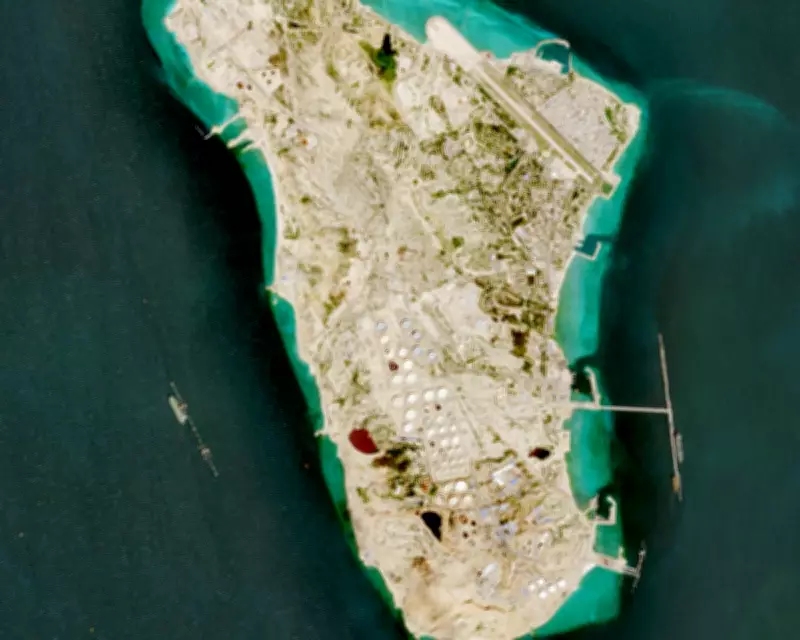
The most prominent potential target is Kharg Island, a coral outcrop covering less than nine square miles off Iran's coast. This island serves as the conduit for approximately 90% of Iran's crude oil exports, making it a critical financial and logistical lifeline for Tehran. The loss of Kharg Island would represent a devastating blow to the Iranian regime. President Trump has long considered targeting this facility, suggesting as far back as the 1980s that he would "do a number on Kharg Island" if Iran attacked US ships.
Secretary of State Marco Rubio reiterated on Friday that the administration believes it can achieve its objectives without committing ground forces. However, with marines positioned in the region next week, Trump could order an assault to either gain leverage in reopening the Strait of Hormuz or degrade Iran's ability to maintain its blockade of the vital waterway.
Limitations and Alternative Scenarios
The current US deployment lacks the heavy armored units, logistical depth, and other elements necessary for a protracted military conflict. This limitation could restrict the White House's ability to escalate the situation, potentially prolonging a stalemate with devastating consequences for the global economy. An assault on Kharg Island would constitute a rare contested amphibious landing, with US troops potentially facing drone, rocket, and artillery fire. The transit time of more than a day to reach the island would provide Iran with opportunities to mine surrounding waters.
Other potential targets in the Strait of Hormuz include Qeshm Island, the largest in the Persian Gulf, which serves as a storage site for Iranian attack craft, drones, sea mines, and other military equipment used to disrupt shipping. However, at nearly 560 square miles, this island may be too extensive for available US forces to occupy effectively. Larak Island represents another possible target as a hub for Iranian weapons maintaining the shipping choke point, with administration officials reportedly considering attacks there and on the contested island of Abu Musa.
Additional Missions and Political Considerations
The deployed troops could also be utilized for other missions, including the recovery of 440 kilograms of highly enriched uranium that disappeared following US strikes against Iran last June. Secretary Rubio has indicated that "people are going to have to go and get it," with the US reportedly evaluating options to deploy special forces backed by larger airborne or marine units to locate and retrieve the material within Iran. This operation would likely span weeks, cover multiple military sites, and present significant dangers given Iran's extensive experience with asymmetric warfare.
Foreign policy analyst Max Boot noted substantial concern within the Trump administration about potential US casualties, making large-scale ground force deployment unlikely. The Iranians, aware of this reluctance, may adjust their strategies accordingly. For now, Trump has postponed his threat to destroy Iran's power plants—a move that would constitute a brutal attack on critical infrastructure—until April 6th as negotiations continue.
Given the substantial risks associated with a ground incursion into Iran, the most probable escalation path for the Trump administration involves fulfilling threats to degrade Iranian capabilities using tools employed since the conflict's inception, rather than committing to full-scale ground operations that could result in significant American casualties.