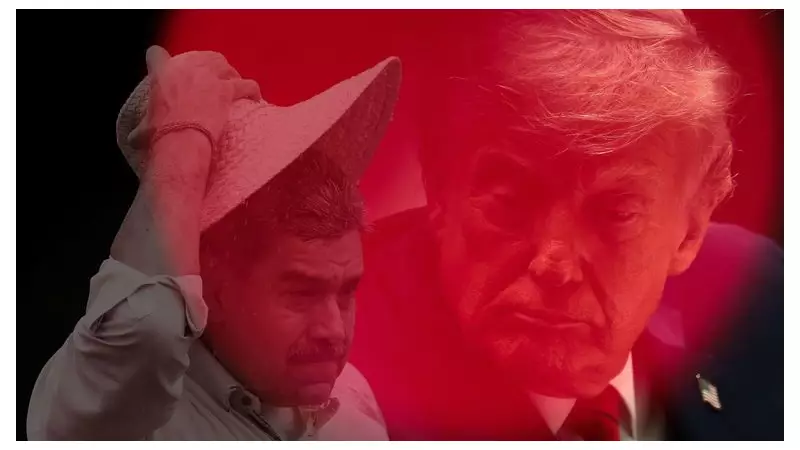
In a dramatic escalation of a long-running geopolitical feud, the United States has conducted military strikes against Venezuela. The seismic move, confirmed by US President Donald Trump on Saturday 3 January 2026, has reportedly led to the capture and removal of Venezuelan President Nicolás Maduro from the country.
The action follows months of rising tensions, a significant build-up of US warships in the Caribbean, and increasingly bellicose rhetoric. While many details remain unclear, the strikes mark the violent culmination of a period of extreme friction between Washington and Caracas.
The Path to Conflict: Drugs, Boats, and Accusations
The current crisis began to intensify in September, when President Trump accused President Maduro of leading a major drugs cartel, though he provided no evidence to support the claim. The following month, the Trump administration declared the US was in an "armed conflict" with drug cartels, directly implicating Maduro in supplying illegal drugs that kill Americans—an allegation the Venezuelan leader vehemently denies.
This rhetoric was followed by a controversial campaign of US strikes against boats in the region, which has killed 115 people according to reports. While US officials claim the vessels were used by gangs to transport narcotics, they have released no evidence proving those killed were "narco-terrorists." Maduro has condemned these strikes as illegal acts of murder and aggression.
Strategic Stakes: Oil, Alliances, and the Monroe Doctrine
Beyond the war on drugs, analysts point to deeper strategic motivations. Venezuela possesses the largest proven oil reserves in the world, yet years of corruption, underinvestment, and crippling US sanctions have prevented it from capitalising on this wealth as Gulf states have done.
President Maduro has consistently claimed that the US desire for his country's oil is a primary driver of American hostility. He has pivoted to sell most of Venezuela's oil to China, while also signing energy and mining deals with Iran and Russia. This alignment is a key concern for the Trump administration.
David Smilde, a Venezuela expert at Tulane University, noted that "the idea that you have this country, with oil, and minerals, and rare earths in our hemisphere and its main allies being China and Russia, that's something that doesn't really fit into Trump's view of the world."
This perspective is reflected in a recent shift in US foreign policy. Last month, President Trump's National Security Strategy argued for a revival of the 19th century Monroe Doctrine, asserting Washington's zone of influence over the Western Hemisphere. This more coercive and interventionist approach, coupled with the visible military build-up in the Caribbean in recent weeks, set the stage for the current confrontation.
A Battle of Legitimacy and Power
The conflict is deeply personal. President Trump does not recognise Nicolás Maduro as Venezuela's legitimate leader. Maduro, in power since 2013, is serving a third term after a 2025 re-election widely condemned by the opposition and international observers as fraudulent.
In October last year, Maduro accused Trump of seeking regime change and "fabricating a new eternal war" against Venezuela. The US strikes represent the most forceful attempt yet to alter the political landscape in Caracas, with consequences for the region's stability and the global balance of power that are yet to fully unfold.