
US Ground Forces Arrive in Middle East Amid Strait of Hormuz Tensions
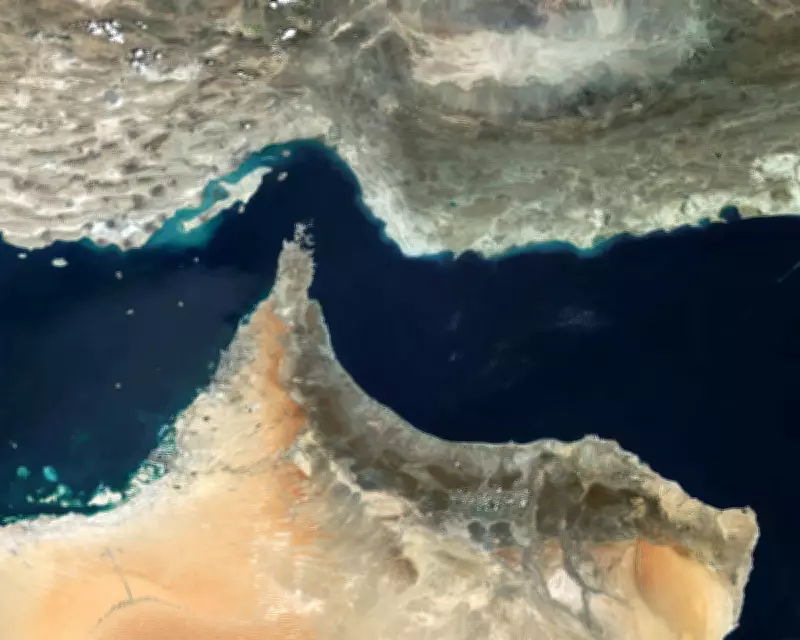
The strategic Strait of Hormuz has emerged as a critical global energy chokepoint, with Iran's control over this vital waterway giving Tehran significant leverage in the ongoing conflict. Through this narrow passage flows approximately one-fifth of the world's oil trade, making it a focal point of international tension that has already driven oil prices soaring above $100 per barrel.
Military Options Present Perilous Pathways
President Donald Trump now possesses two primary military strategies to potentially reopen the strait: seizing Iranian territory or deploying an overwhelming naval presence throughout the waterway. The recent arrival of US ground invasion forces in the Middle East provides the physical capability for such operations, though experts universally caution about the extreme dangers involved.
Emma Salisbury, a senior fellow in the national security program at the Foreign Policy Research Institute, expressed grave concerns about potential escalation. "At every point so far he's gone for it, and I can't see this being any different. He will use the soldiers if they're available," she warned. "I think that will go horribly wrong and there will be a lot of casualties."
Iran's Stark Warning and Potential Targets
Iran has issued a chilling threat through diplomatic mediators: the nation would carpet bomb its own territory to eliminate any American soldiers on Iranian soil. Tehran has further warned of destroying its own infrastructure to target invading forces, demonstrating the extreme measures Iran might employ.
The most obvious military target would be Kharg Island, Iran's primary oil export terminal located deep within the Persian Gulf. Seizing this tiny outpost or other strategic islands like Qeshm, Abu Musa, Greater Tunb, or Lesser Tunb presents significant challenges. While initial capture might be feasible, maintaining control would expose US forces to relentless rocket, missile, and drone attacks from Iranian forces.
Mohammad Bagher Ghalibaf, speaker of Iran's parliament, accused the United States of publicly pursuing diplomacy while secretly planning ground assaults. "Our men are waiting for the arrival of the American soldiers on the ground to set them on fire and punish their regional allies once and for all," declared Ghalibaf, who is considered a likely representative for Iran in any potential peace negotiations.
Logistical Challenges and Force Limitations
The current US military deployment appears insufficient for sustained operations against Iran. Approximately 2,500 marines specializing in amphibious landings arrived in the Middle East over the weekend, with another 2,000 paratroopers expected soon. These numbers pale in comparison to the 150,000 troops deployed during the 2003 invasion of Iraq, while Iran's territory exceeds Iraq's by more than threefold.
Ruben Stewart, a senior fellow for land warfare at the International Institute for Strategic Studies, suggested the deployment might primarily serve as a show of force to strengthen America's negotiating position. "It is feasible that they could land on some of those locations," he acknowledged. "It seems extremely unlikely that could achieve anything in a military sense."
Broader Strategic Complications
Even successful ground operations might not guarantee safe passage through the Strait of Hormuz. To protect commercial shipping while attacks continue would require extensive naval escorts, minesweeping operations, and continuous air support—resources the United States currently lacks in sufficient quantities.
The challenge could soon multiply exponentially. Iran-allied Houthi forces in Yemen entered the conflict over the weekend by firing missiles at Israel, potentially opening a second front. These forces could begin attacking vessels passing through the narrow strait at the southern end of the Red Sea, another crucial Middle Eastern shipping route that would require additional US protection.
President Trump has publicly acknowledged the complexity of the situation, telling the Financial Times, "Maybe we take Kharg Island, maybe we don't. We have a lot of options. It would also mean we had to be there for a while." The administration is reportedly considering dispatching another 10,000 soldiers and sending a third aircraft carrier to the region, though such reinforcements would still face daunting operational challenges against a determined Iranian defense.




