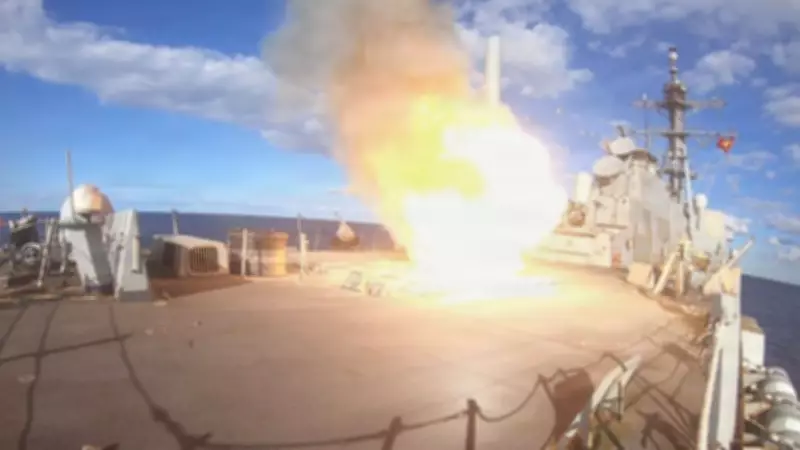
Escalating Conflict: US-Israeli Airstrikes and Iranian Retaliation
The Middle East has been plunged into a severe crisis following a coordinated aerial assault by the United States and Israel over the weekend. This operation, dubbed Operation Epic Fury by US officials, targeted key Iranian leadership and military installations, resulting in the death of Iran's supreme leader, Ayatollah Ali Khamenei, along with dozens of senior officials. In response, Iran has launched retaliatory strikes across multiple countries in the region, vowing revenge and escalating tensions to a dangerous new level.
Operation Epic Fury: Key Targets and Casualties
The initial strikes by US and Israeli forces focused on high-value targets within Iran. According to reports, the attacks killed Ayatollah Ali Khamenei in his Tehran compound and eliminated numerous top Iranian military figures, including Defence Minister Amir Nasirzadeh and Revolutionary Guards commander Mohammed Pakpour. Israeli military sources claim that 40 senior Iranian officials were neutralized, while former US President Donald Trump stated that 48 leaders in Iran have been killed. Additionally, US forces targeted an Iranian Jamaran-class corvette in the Gulf of Oman, and Israeli airstrikes reportedly dismantled many of Iran's aerial defense systems in western and central regions.
Iran's Retaliatory Strikes: A Broad Regional Impact
Iran's response has been swift and widespread, involving drone and missile attacks on several countries. In Israel, a strike on a synagogue in Beit Shemesh killed at least nine people and wounded 28 others, with loud explosions reported in Tel Aviv. The United Arab Emirates (UAE) faced a barrage of 165 ballistic missiles and 541 bomb-carrying drones, resulting in three fatalities and damage to key infrastructure, including Dubai International Airport and the Burj Al Arab hotel. Kuwait reported one death and 20 injuries from Iranian attacks, while Bahrain saw missile strikes near the US Navy's 5th Fleet headquarters. Oman experienced attacks on maritime vessels, including the death of a crew member on the MKD VYOM tanker.
Maritime Disruption and Broader Regional Fallout
The conflict has severely disrupted maritime traffic in the strategic Strait of Hormuz, a vital oil trading route. Attacks on vessels, such as the Palau-flagged Skylight, have wounded mariners and caused fires, leading to at least 150 tankers anchoring in open Gulf waters. Beyond the immediate region, Iran fired missiles towards Cyprus, though they were not targeted at the island, and Jordan intercepted 49 drones and ballistic missiles. In Pakistan, protests at the US consulate in Karachi turned violent, resulting in nine deaths and 25 injuries.
Humanitarian and Strategic Consequences
The toll on civilians has been significant, with Iranian authorities reporting over 200 deaths since the start of the strikes, including an alleged attack on an all-girls school in Minab that killed 165 people, though Israel denies involvement. The US military confirmed three American service members killed and five injured in operations targeting Iran. The broader implications include potential disruptions to global energy supplies and heightened instability across the Middle East, as both sides continue to engage in aggressive military actions.