
US Evacuates Embassy Staff in Lebanon Amid Rising Iran Tensions
The United States has initiated a significant evacuation of non-essential personnel from its embassy in Lebanon, as tensions with Iran escalate and military assets are positioned in the region. This move comes amid preparations for potential conflict, with US ships and warplanes deployed for a possible strike against Iran in the coming days.
Diplomatic Drawdown and Security Concerns
According to a senior State Department official, the evacuation is a prudent measure to reduce the US footprint to essential personnel in Beirut. The official stated, "We continuously assess the security environment, and based on our latest review, we determined it prudent to reduce our footprint to essential personnel." The embassy remains operational with core staff in place, ensuring continued assistance to US citizens while prioritizing safety.
Estimates suggest that roughly 30-50 US embassy personnel have left Lebanon through Beirut-Rafic Hariri International Airport. This action follows historical precedents, such as the 2025 evacuations from embassies in Iraq, Bahrain, and Kuwait before US strikes on Iranian nuclear facilities.
Military Buildup and Regional Threats
The US has deployed a substantial military force to the region, including two aircraft carriers, dozens of warplanes, combat ships, and advanced aircraft like Awacs jets. This represents the largest buildup of US firepower since before the Iraq war. The USS Gerald Ford, one of the carriers, is expected to be in position within days, currently stationed at Souda Bay off Crete.
US officials have warned that Iran could retaliate by launching missiles at US embassies and military bases or through proxy forces like Hezbollah in Lebanon. Iran's recent joint military drills with Russia, which tested new anti-ship missiles capable of threatening the Strait of Hormuz, have heightened these concerns.
Nuclear Talks and Trump's Confusion
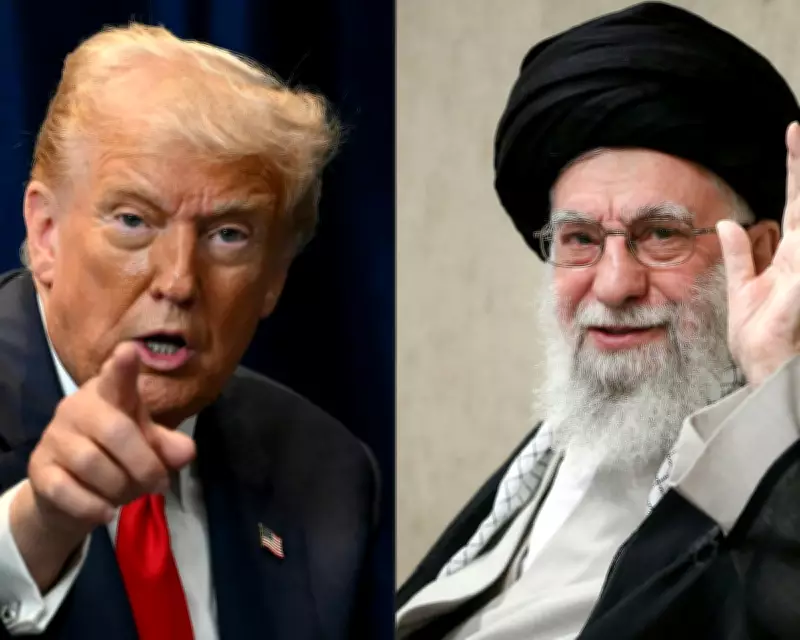
Amid the tensions, the US and Iran are scheduled to hold a third round of indirect talks in Geneva on Thursday, focusing on limiting Iran's nuclear program. Donald Trump has expressed a desire for a "meaningful deal" to prevent Iran from building nuclear weapons, warning of "bad things" if no agreement is reached.
Steve Witkoff, the Trump envoy leading negotiations, revealed in an interview with Lara Trump on Fox News that the president is confused as to why Iran, under supreme leader Ayatollah Ali Khamenei, has not yet "capitulated." Witkoff said, "I don’t want to use the word 'frustrated', because he understands he has plenty of alternatives, but he’s curious as to ... why they haven’t capitulated." He questioned why Iran has not offered concessions despite the military pressure.
Broader Regional Withdrawals
In addition to the Lebanon evacuation, the US has begun withdrawing military personnel from bases in Syria, according to Reuters reports citing local sources. While the Trump administration denies this is related to potential strikes on Iran, it is seen as a precaution against Iranian counterattacks in another volatile region.
This series of evacuations and military movements underscores the high stakes in US-Iran relations, with diplomatic efforts ongoing even as both sides prepare for possible escalation. The situation remains fluid, with global attention focused on the upcoming nuclear talks and regional security dynamics.




