
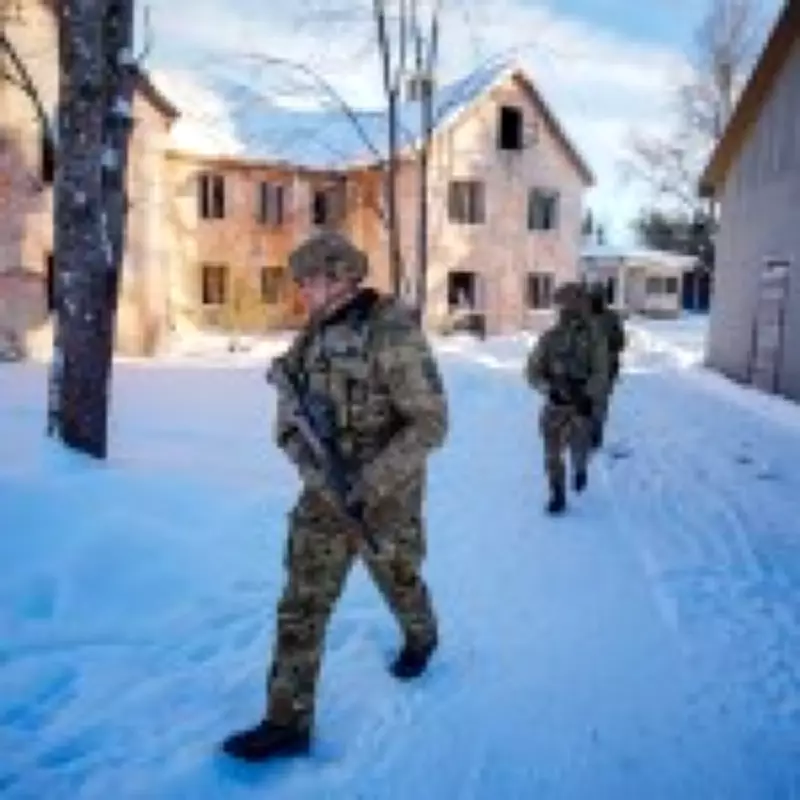
UK on 'Inevitable Collision Course' with Russia, Warns Army Chief
General Sir Roly Walker, a top British Army official, has issued a stark warning that the United Kingdom is on an inevitable collision course with Russia, regardless of whether Ukraine wins or loses the ongoing war. In a statement published in the Daily Mail, Sir Roly echoed concerns raised by Ukrainian President Volodymyr Zelensky, asserting that the Kremlin is actively preparing for a larger-scale conflict that could directly involve Western nations.
Escalating Tensions and Military Preparations
As Ukraine marks the fourth anniversary of Russia's full-scale invasion, recent peace talks have concluded with minimal progress, heightening fears of prolonged hostilities. Sir Roly emphasized that Russia remains on a war footing, rapidly replenishing lost military equipment and expanding its armed forces to become more lethal. Unless something changes, I think we are on a collision course with a Russia that is on a war footing, he stated, underscoring the urgency for continued support to Ukraine and a firm stance against any potential aggression toward NATO territories.
British military officials have repeatedly cautioned that the UK must prepare for future conflicts amid the growing threat from Russia. Sir Roly's comments align with previous warnings, highlighting the need for robust defense strategies. He added, We can also signal to Putin that if he thinks it will be any easier to steal NATO territory, then he is even more stupid than we thought. We will never give up what matters to us.
Peace Deal Challenges and Public Sentiment
A major sticking point in peace negotiations has been Ukraine's refusal to cede territory, including the industrial Donbas region, where thousands of soldiers have perished in defense efforts. Proposed peace terms, such as those suggested by Donald Trump, involve surrendering Donetsk, Luhansk, and Crimea to Russian control—a move that would represent a significant victory for Putin, despite Russian forces capturing only 1.5% of Ukrainian land since January 2024.
While President Zelensky remains steadfast in opposing territorial concessions, recent polls indicate shifting public opinion in Ukraine. A survey by the Kyiv International Institute of Sociology found that approximately 40% of Ukrainians would support handing over the Donbas to Russia if it guaranteed their safety, reflecting war fatigue among the population.
Human Cost and International Support
The human toll of the conflict continues to mount, with the Center for Strategic and International Studies estimating that casualties could exceed two million by spring. Reports indicate nearly 1.2 million Russian troops and close to 600,000 Ukrainian soldiers have been killed, wounded, or are missing. Russia is currently losing more soldiers than it can recruit, relying increasingly on troops from North Korea to bolster its forces, a tactic analysts describe as overwhelming the enemy with sheer manpower.
In response to the escalating crisis, UK Prime Minister Sir Keir Starmer is expected to announce enhanced support for Ukraine, including provisions of ballistic missiles, drones, and advanced battlefield technology. This move aims to strengthen Ukraine's defense capabilities and deter further Russian aggression.
The situation remains volatile, with Sir Roly striking a cautiously optimistic note amid widespread fears of World War 3, asserting that the UK will ultimately prevail and shape the future on its own terms. However, the persistent military buildup and stalled diplomatic efforts underscore the critical need for vigilance and international cooperation to avert a broader conflict.




