The UK government has signalled a significant financial commitment to modernising the nation's defence capabilities, but leading voices warn that money alone will not secure Britain's strategic future in an era defined by artificial intelligence and autonomous warfare.
Budget Figures Promise More Than They Guarantee
In the recent Autumn Statement, the Chancellor confirmed an increase in defence spending to 2.6 per cent of GDP by 2027, with a specific £1.5 billion earmarked for new munitions factories. While these numbers represent a substantial allocation, Tristam Constant, head of European government and defence at Applied Intuition UK and a former British Army officer, argues the critical question is what tangible capabilities they will actually deliver, and at the pace required to matter in contemporary conflict.
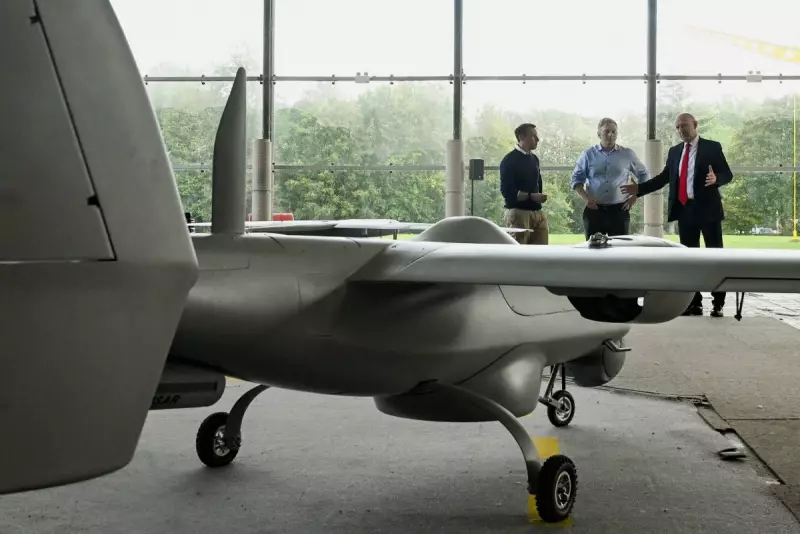
He notes that today's battlespace prioritises speed, technological edge, and flexibility as much as sheer volume. The industrial mobilisation that proved decisive in the Second World War has been supplanted by a need for autonomous systems like drones, uncrewed vehicles, and AI-powered intelligence platforms.
The Challenge: Translating Investment into Integrated Capability
Constant acknowledges that the UK possesses the talent and industrial foundation to compete in this new technological arena. Measures in the Budget, such as the creation of AI Growth Zones, a public compute ecosystem, and skills initiatives, could foster valuable dual-use innovation. However, he stresses that leveraging these strengths effectively demands far more than one-off investment.
"These measures are still early steps," he writes. The impact of reinvesting savings and streamlining regulations remains uncertain and hinges on consistent execution, clear prioritisation, and long-term alignment between industry and defence objectives. He pointedly adds that government departments should not need extra incentives to ensure value for taxpayers' money, especially while the Ministry of Defence operates a hiring freeze.
Autonomy as a Strategic Imperative, Not an Add-On
The forthcoming Defence Investment Plan will be a crucial test of the government's intent. It must detail how funding will shape procurement, industrial planning, and the systematic adoption of new technologies. Constant argues that autonomy must be treated as a core enabler of defence capability and a driver of high-skilled jobs and technological leadership, not merely an optional extra.
"The window to act is open, but it is not permanent," he warns, noting that rival nations are rapidly integrating AI and autonomous systems into their military structures. Britain cannot afford to lag. Success will depend on a steady, considered effort to convert resources and talent into tangible operational outcomes.
In conclusion, while the Autumn Budget provides some necessary tools, the path from policy to potent capability is fraught. Past difficulties in translating funding into concrete results serve as a caution. Realising the significant potential of defence AI and autonomy will require it to be treated as an unwavering strategic priority, backed by sustained coordination and execution over the long term.