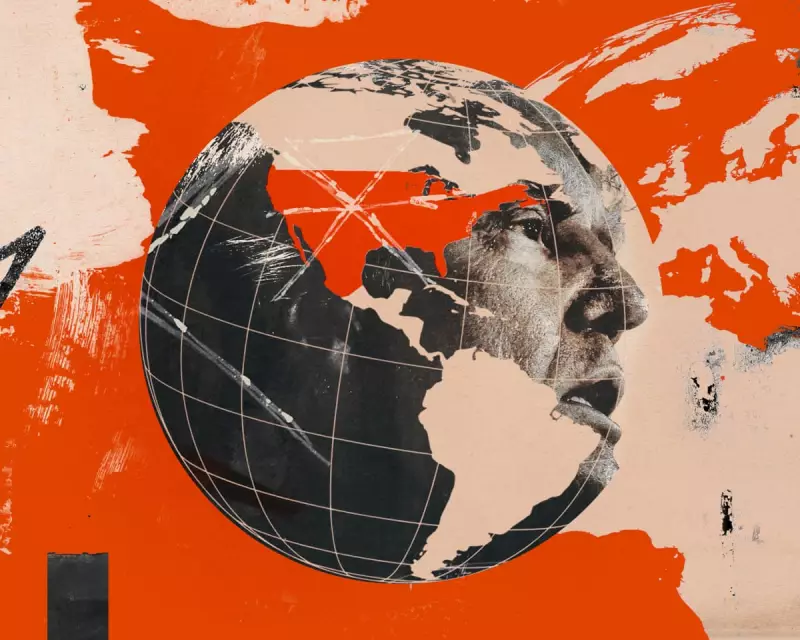
Trump's Aggressive Stance at Davos Ignites Global Backlash
In a week marked by escalating tensions, Donald Trump's confrontational approach on the international stage has reached a critical juncture. The US president's threats, including those aimed at Greenland, have not only rattled global markets but also underscored a profound shift in America's role as a traditional ally. This aggressive posture, displayed prominently at the Davos forum, has sparked widespread opposition and forced a reevaluation of long-standing diplomatic relationships.
The Unreliable Ally: US Under Trump's Leadership
Trump's actions have laid bare a troubling reality: the United States, under his administration, has transformed into an unpredictable and often hostile partner for its former friends. His remarks dismissing NATO allies' contributions in Afghanistan, which insulted the sacrifices of British and other service personnel, exemplify a pattern of disrespect that has eroded trust. Moreover, his proposal for a "board of peace"—a gold-plated alternative to the UN—signals an attempt to monetise and dismantle post-war international institutions, favouring a model where power is concentrated in his own hands, even beyond his presidency.
Lessons from Resistance: Europe's United Front
A key insight from recent events is that Trump's maximalist strategy only falters when met with firm resistance. The unified economic counter-threats from European nations in response to his Greenland ambitions prompted a retreat, highlighting the importance of collective action. As noted by former officials, this moment demands that democratic nations outside the US reduce their dependency on American military and economic support. Instead of competing for favour with the US hegemon, there is a growing call for these "middle powers" to forge a new path together.
Building a New Alliance: A Vision for the Future
The proposed solution is a robust new alliance comprising the European Union, the UK, and Canada, forming both an economic bloc and a security partnership with substantial clout. This initiative aims to address the pressing question of whether Europe can defend itself and allies like Ukraine without US backing. While achieving this goal may take years, it represents a necessary shift away from nostalgia for the old order. Increased defence spending will be crucial, reshaping political landscapes and potentially mending Brexit-era divisions through closer European cooperation.
Political Implications and Opportunities
For leaders like Keir Starmer, this evolving scenario presents strategic opportunities. By framing tax increases and enhanced European ties as matters of national security, they can position themselves against pro-Trump factions, such as Reform, which risk being seen as subservient to American interests. The death of the familiar world order, driven by Trump's actions, may thus give birth to a more independent and resilient western alliance, offering a glimmer of hope amid the turmoil.