Trump Issues Dire Warning as Strikes Intensify in Iran
Donald Trump has declared that "a whole civilization will die" if Iran fails to meet his demands, as a wave of bombing attacks targeted the country's infrastructure. This warning came amid escalating military actions by the United States and Israel, with a looming deadline set by the U.S. president to force concessions from Tehran.
Infrastructure Under Attack
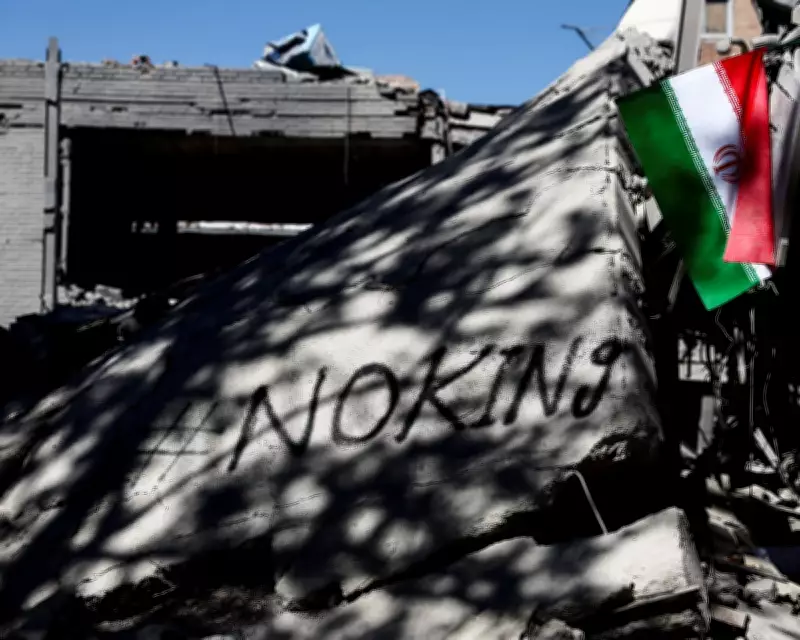
On Tuesday, Iranian state media reported multiple bombings across the nation. A rail bridge in Kashan was among the first targets, resulting in two fatalities. Israeli military officials confirmed launching "a wide-scale wave of strikes targeting dozens of infrastructure sites." Additional bridges near Karaj, Qom, and Tabriz were hit, and power outages occurred in Karaj after substations and transmission lines were bombed.
The U.S. conducted strikes on 50 military targets on Kharg Island, home to Iran's primary oil export terminal. These attacks marked a significant escalation ahead of an 8 p.m. ET deadline, with Trump emphasizing the potential for catastrophic consequences if Iran does not comply.
Ultimatum and Threats
Trump posted on social media, stating, "A whole civilization will die tonight, never to be brought back again. I don't want that to happen, but it probably will." He expressed hope for "less radicalised minds" to assume control in Iran. The ultimatum, set to expire at 8 p.m. ET on Tuesday, aims to compel Iran to reopen the Strait of Hormuz and abandon nuclear weapons development.
Israel's military issued a warning in Farsi on social media, advising Iranians to avoid train travel from 8:50 a.m. to 9 p.m. local time for their safety. The statement highlighted that "your presence on trains and near railway lines endangers your life," indicating potential bombings of civilian rail infrastructure.
Legal and Humanitarian Concerns
The prospect of targeting Iran's civil infrastructure has drawn condemnation from legal experts and human rights advocates, who argue it could constitute a war crime due to disproportionate impact on civilians. The Trump administration has dismissed these concerns, maintaining the necessity of the strikes.
Iran rejected a ceasefire proposal mediated by Pakistan, Egypt, and Turkey, instead presenting a 10-point counterproposal. Trump acknowledged the proposal but deemed it insufficient, as negotiations continued with little progress. Iranian President Masoud Pezeshkian asserted that over 14 million Iranians are prepared to sacrifice their lives in defense of the nation.
Expanding Conflict Zones
Attacks extended beyond Iran's borders, with reports of a petrochemical complex hit in Jubail, Saudi Arabia, leading to evacuations. In Israel, sirens sounded as missile attacks persisted, including five impacts in the Tel Aviv area. Iranian media also reported the destruction of a synagogue in Tehran, though Israel denied targeting religious sites.
U.S. officials revealed that B-2 stealth bombers dropped 30,000-pound "bunker buster" bombs on an Islamic Revolutionary Guard Corps compound in Tehran. Israeli Prime Minister Benjamin Netanyahu indicated that the war against Hezbollah in Lebanon would continue independently of U.S.-Iran negotiations, describing a "separation of theatres."
Economic and Global Implications
The conflict has impacted global markets, with Brent crude oil prices rising slightly to over $110 per barrel. The strikes underscore the world's reliance on fossil fuels and the geopolitical tensions surrounding key oil transit routes like the Strait of Hormuz.
As the deadline approaches, the situation remains volatile, with both sides entrenched in their positions. The escalation of attacks on civilian infrastructure raises urgent questions about the humanitarian and legal ramifications of the ongoing conflict.