
Trump Issues Ultimatum to Iran, Threatening Energy Grid Destruction
Former US President Donald Trump has issued a stark warning to Iran, threatening to "obliterate" the nation's power stations and fresh water plants if Tehran does not agree to peace terms "shortly." This aggressive stance comes amidst a month-long conflict instigated by the US and Israel, with Tehran remaining defiant, labeling US proposals as "excessive, unrealistic and irrational."
Financial Markets React to Escalation Risks
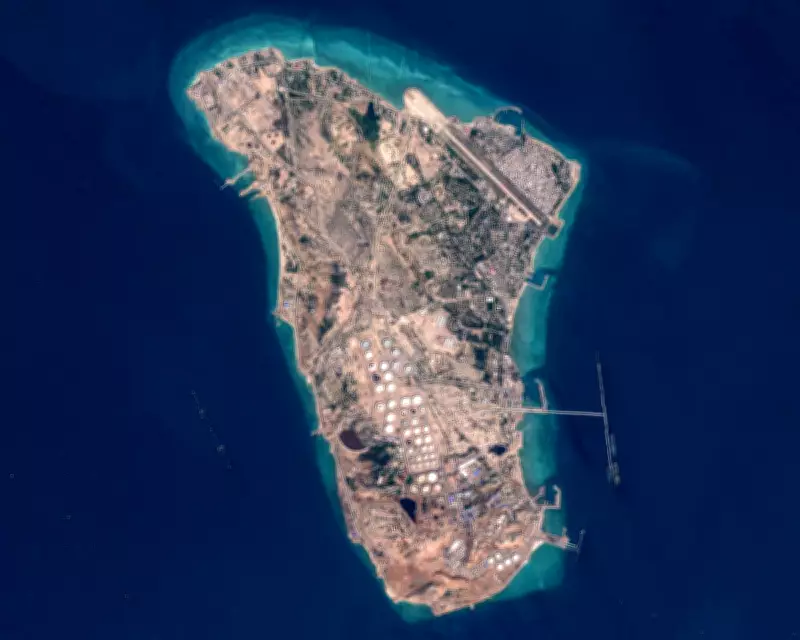
The risk of further escalation, including a potential US ground operation to seize Kharg Island, has sent tremors through global financial markets. Oil prices are on course for a record monthly rise, with Brent crude up by 54% since the start of March, surpassing the previous record set in September 1990. This surge reflects heightened anxiety over disruptions to the global oil supply chain.
In a post on his Truth Social network, Trump expressed confidence in a negotiated settlement but warned that if a deal is not struck—including reopening the Strait of Hormuz shipping lane—US forces would destroy "all of their Electric Generating Plants, Oil Wells and Kharg Island (and possibly all desalinization plants!)." Such actions would likely constitute war crimes under international humanitarian law.
International Criticism and Diplomatic Tensions
Human rights groups have strongly criticized Trump's threats. Erika Guevara-Rosas of Amnesty International stated that attacking civilian infrastructure like power plants is generally prohibited and could be unlawful, given the disproportionate harm to civilians. Meanwhile, international leaders are distancing themselves from the conflict.
UK Prime Minister Keir Starmer reiterated that "this is not our war," while Egyptian President Abdel Fattah al-Sisi called on Trump to help end the conflict, highlighting growing global discomfort. Spain has closed its airspace to US planes involved in the war, underscoring the diplomatic fallout.
Mixed Messaging and Regional Implications
The White House has added to the confusion with mixed messaging. Press Secretary Karoline Leavitt suggested Trump might ask Arab countries to help foot the bill for the war, a proposal that could strain relations with Gulf states currently brokering peace talks. Iranian officials have dismissed US demands, with parliamentary speaker Mohammad Bagher Ghalibaf warning that Iranian forces are ready to "set them on fire" if US troops arrive.
Experts warn that a US ground operation could push the conflict toward a regional war, involving Yemen, Iraq, and Lebanon. Maziyar Ghiabi of the University of Exeter noted that such actions risk a "point of no return," with unpredictable humanitarian and economic outcomes. The UN has reported casualties among peacekeepers in Lebanon, as fighting spreads and drone attacks target Syria.
As oil prices hover near $117 a barrel and the IMF warns of higher prices and slower growth worldwide, the stakes continue to rise. With Tehran calling for volunteers and the Pentagon preparing for potential ground operations, the path to de-escalation remains uncertain, threatening to plunge the global economy into deeper turmoil.




