Trump Proposes Seizing Iranian Oil as US Forces Mobilize in Escalating Conflict
As the US-Israel war on Iran intensifies, developments are unfolding rapidly across multiple fronts. At 9:30 AM in Tehran, 9:00 AM in Tel Aviv and Beirut, and 2:00 AM in Washington DC, tensions remain high with significant military and diplomatic moves reported.
Trump's Oil Ambitions and Military Posturing
According to the Financial Times, former President Donald Trump has openly discussed his preference to "take the oil" in Iran, specifically mentioning the potential seizure of Kharg Island, Iran's crucial export hub. Trump stated, "To be honest with you, my favourite thing is to take the oil in Iran," while acknowledging criticism from what he called "some stupid people back in the US."
He added, "Maybe we take Kharg Island, maybe we don't. We have a lot of options." This comes as approximately 2,500 US Marines have reportedly arrived in the Middle East, bolstering American military presence in the region.
Diplomatic Channels and Economic Fallout
Despite the aggressive rhetoric, Trump emphasized that indirect talks between the US and Iran, facilitated by Pakistani intermediaries, are progressing positively. He noted that Iran's new leadership has been "very reasonable" in these discussions.
Pakistan confirmed it is preparing to host "meaningful talks" in the coming days aimed at ending the month-long conflict. Meanwhile, the economic impact is severe: Brent crude oil prices have surged past $116 per barrel, and Asian stock markets have tumbled as investors brace for a prolonged Gulf conflict that could trigger global inflation and recession risks.
Military Escalations and Regional Responses
The Israeli military announced it is attacking Iranian infrastructure "throughout Tehran" in response to missile fire from Iran. Israeli Prime Minister Benjamin Netanyahu has expanded Israel's invasion of southern Lebanon, targeting Hezbollah and widening what he calls the "existing security buffer zone." Netanyahu declared, "We are determined to fundamentally change the situation in the north."
Iranian Parliament Speaker Mohammad Bagher Ghalibaf warned that Iranian forces are "waiting" for US ground troops to arrive so they can "rain fire upon them." This follows reports that the Pentagon is preparing for potential "ground operations" in Iran lasting weeks.
Nuclear Concerns and Infrastructure Damage
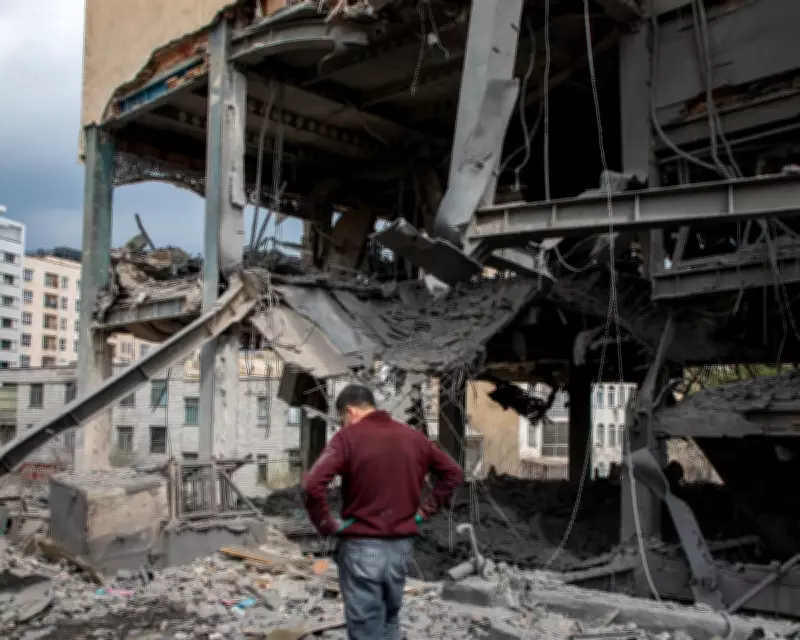
The Wall Street Journal reports that Trump is considering a military operation to extract nearly 1,000 pounds (454kg) of uranium from Iran, a mission that could involve American forces inside the country for extended periods. Additionally, the International Atomic Energy Agency confirmed that Iran's heavy-water production plant at Khondab, attacked by Israel on March 27, has sustained severe damage and is no longer operational, though it contains "no declared nuclear material."
Humanitarian and International Reactions
Indonesia condemned the death of an Indonesian peacekeeper with the UN mission in Lebanon after a projectile explosion near Adchit al-Qusayr village, with another peacekeeper critically injured. The Israeli air force intercepted two drones launched from Yemen, adding to the regional volatility.
Iranian Supreme Leader Mojtaba Khamenei thanked Iraqi people and religious leadership for their support "in the face of aggression," according to state media. On a spiritual note, Pope Francis, on Palm Sunday, criticized leaders who start wars, saying God rejects prayers from those with "hands full of blood," in what appeared to be a rebuke to Trump's administration.
Power has been restored in parts of Iran after Israeli strikes targeted electricity infrastructure, and a hazardous materials fire in southern Israel has been contained. The conflict continues to evolve with profound implications for global stability.