A teenager from New South Wales has been charged with orchestrating a series of dangerous hoax calls to American emergency services, falsely reporting mass shootings at major US retail and educational institutions. The Australian Federal Police (AFP) action follows a joint investigation with the FBI, highlighting the international reach of online crime networks.
International Investigation Uncovers 'Swatting' Network
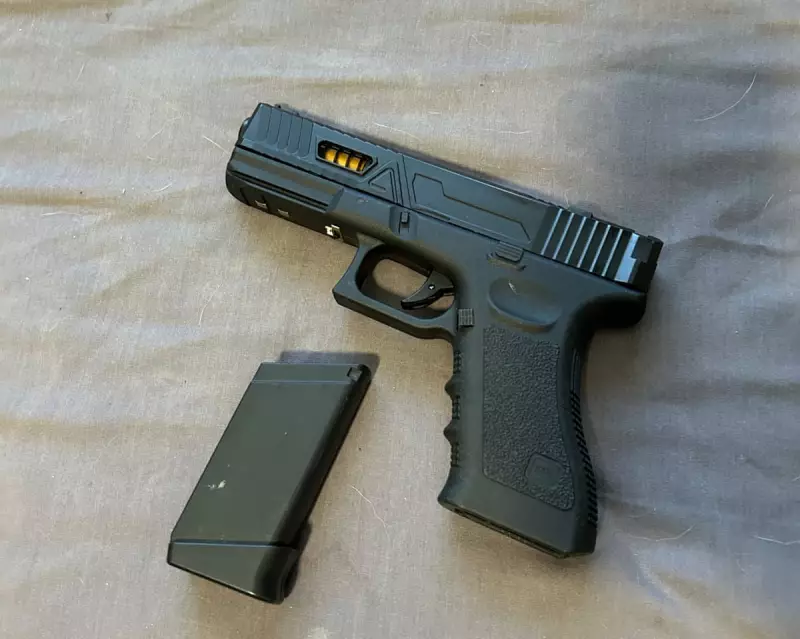
The AFP confirmed it launched its probe after receiving critical intelligence from the United States Federal Bureau of Investigation (FBI). Officers from Taskforce Pompilid, established in October 2025, executed a search warrant and seized a number of electronic devices. They also found and seized a prohibited firearm in the juvenile's possession.
The boy, whose age has not been disclosed but is understood to be under 18, was charged on 18 December. Police allege he is a participant in a decentralised online crime network whose members hide behind keyboards to trigger large-scale, urgent emergency responses—a malicious practice known as 'swatting'.
'Anonymity Online is an Illusion'
In a stark warning, AFP Acting Assistant Commissioner Graeme Marshall stated that individuals, often young males aged 11 to 25, engage in crimes like swatting, doxxing, and hacking to gain status and notoriety within their online circles. He emphasised the AFP's commitment to ending the harm caused by these networks, who operate under a false sense of security.
Echoing this sentiment, FBI International Operations Division Assistant Director Jason Kaplan stated in a joint release that these fake emergency calls are a 'dangerous and disruptive crime' that puts lives at risk and wastes vital emergency resources. "This case demonstrates that anonymity online is an illusion," Kaplan said, vowing continued cooperation with international partners to hold perpetrators accountable.
Serious Charges and Potential Penalties
The teenager now faces severe legal consequences for his alleged actions. He has been hit with 12 counts of telecommunications offences and one count of unauthorised possession of a prohibited firearm. If convicted, he could face a maximum penalty of up to 14 years in prison.
The boy was scheduled to appear before a NSW Children’s Court on Tuesday. The case serves as a potent reminder to digital natives that law enforcement agencies are increasingly capable of piercing the veil of online anonymity, especially when cross-border cooperation is involved.