
Audio Captures Desperate Plea from Tanker Captain in Strait of Hormuz
In a tense radio exchange, the captain of an Indian oil tanker was heard pleading with the Iranian Navy after his vessel was fired upon in the strategically vital Strait of Hormuz. The incident, which occurred on April 19, 2026, highlights the escalating maritime tensions in the region despite a fragile ceasefire agreement.
Dramatic Radio Exchange Reveals Captain's Distress
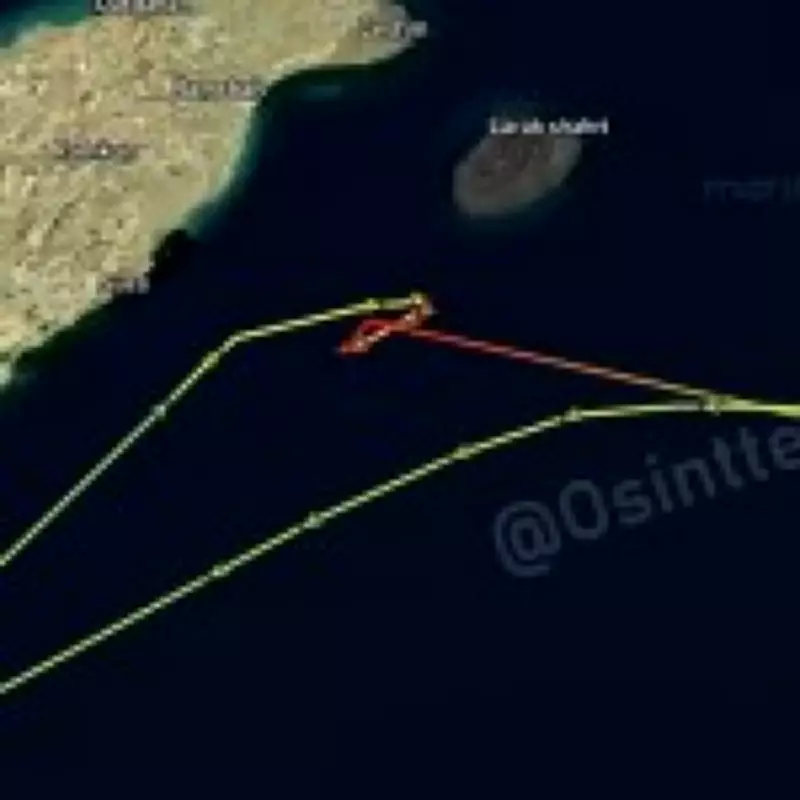
The audio recording captures the captain of the Sanmar Herald oil tanker urgently communicating with Iranian naval forces. 'This is motor vessel, Sanmar Herald,' the captain stated. 'You gave me clearance to go. My name is second on your list. You are firing now. Let me turn back.' This desperate request came after the tanker attempted to exit the Persian Gulf through the Strait of Hormuz, only to be met with gunfire, forcing it to reverse course and flee the area.
Iran's Stern Warning and Contradictory Announcements
The Iranian Navy issued a stark warning following the incident, declaring that no ship should leave its anchorage in the Persian Gulf and the Sea of Oman. They emphasized that any attempt to approach the Strait of Hormuz would be viewed as cooperation with the enemy, resulting in the vessel being targeted. This stance directly contradicts Iran's announcement just 24 hours prior, which promised the key shipping lane would be 'completely open' for the duration of the current ceasefire.
Iran's joint military command clarified that control of the Strait of Hormuz has reverted to its previous state, now under strict management by the armed forces. They warned that transits would remain blocked as long as the US blockade of Iranian ports persists, a move Iran implemented in retaliation after the US pressed ahead with its maritime restrictions.
Strategic and Economic Implications of the Closure
For Iran, the closure of the Strait of Hormuz—initiated after the US and Israel launched a war on February 28 during talks over Tehran's nuclear program—serves as a potent weapon. This action threatens the global economy by disrupting oil shipments and inflicts political pressure on the US administration. The economic impact was immediately felt, with Brent crude prices falling over 10% to just above $89 per barrel in Friday afternoon trading. European stock markets, including the FTSE 100, DAX, and CAC 40, experienced significant gains amid the volatility.
International Reactions and Ceasefire Context
US President Donald Trump commented on the situation, suggesting that NATO countries could 'stay away' from the Middle East unless they aimed to load their ships with oil. NATO nations have resisted Trump's calls to assist in forcing open the shipping route, which Iran effectively shut down following the US and Israeli attack. The incident unfolds against a backdrop of a fragile truce between the US and Iran, set to last until April 22, alongside a separate 10-day ceasefire between Israel and Lebanon.
The audio of the captain's plea underscores the human cost of these geopolitical maneuvers, as commercial vessels and their crews become pawns in a high-stakes conflict over one of the world's most critical maritime chokepoints.




