
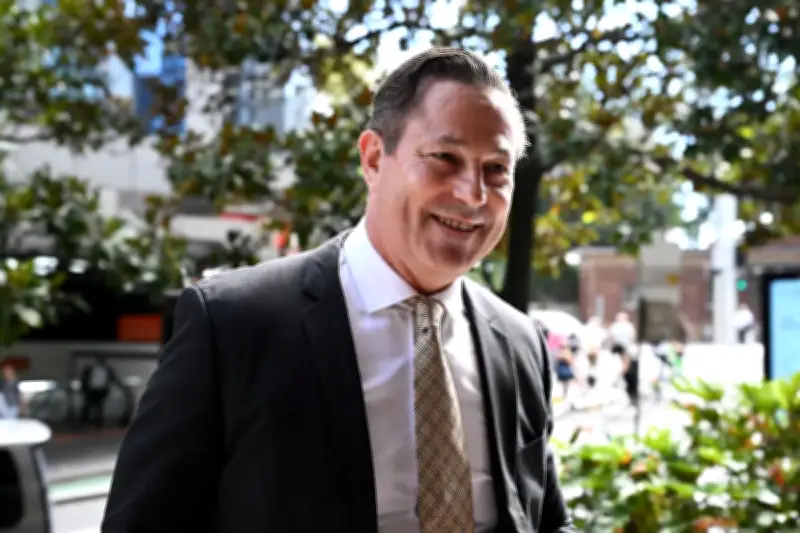
Alexander Csergo, a 58-year-old Sydney business owner, was sentenced to three years and six months in prison on Thursday for preparing fake, plagiarised reports about Australia's defence arrangements for two Chinese intelligence operatives. The sentence, handed down in the New South Wales district court, follows a jury's guilty verdict in March. With time already served, Csergo will be eligible for parole in October.
LinkedIn Contact Led to Espionage Relationship
Csergo's involvement began in November 2021 when he was approached on LinkedIn by a woman claiming to be from a Chinese think tank. At the time, he was living and working in China as an IT consultant. Between May and December 2022, he knowingly assisted two Chinese operatives, identified only as Ken and Evelyn, in preparing reports on Australian defence matters.
During the trial, the prosecution argued that Csergo should have recognised that Ken and Evelyn were working for China's Ministry of State Security. However, Judge Craig Smith found it was not proven that Csergo was reckless about aiding a foreign power from the moment he read the initial LinkedIn message. "Spotting Chinese intelligence operatives on that program requires training on what to look for," the judge said.
Fake Reports and Cash Payments
Csergo used open-source information to compile reports on topics including lithium mining, German politics, and defence and security. He was specifically asked to gather private information about Australia's involvement in the Quad security group and the AUKUS deal. He also falsely claimed to have interviewed several individuals, including former prime minister Kevin Rudd, who speaks Mandarin.
The reports were handed to Ken or Evelyn in person, often at restaurants and cafes with no other patrons, in exchange for envelopes containing thousands of dollars in cash. While the information itself was deemed worthless, the jury accepted prosecution submissions that the relationship with Csergo and his contacts was valuable.
Sophisticated but Not Overly Complex
Judge Smith noted that while Csergo's actions were not "overly sophisticated," they involved a degree of sophistication due to the extensive nature of the work. Ken also provided Csergo with a "shopping list" of sensitive topics to research upon his return to Australia in early 2023, though there was no evidence that Csergo carried out any espionage related to that list.
In sentencing, Smith emphasised the importance of deterring others from being persuaded to compromise Australia's national security. The case highlights the risks of foreign interference through social media platforms and the legal consequences for those who assist foreign intelligence operations.




