
State Violence Against Black Americans: Echoes of Fascism in Modern America
A critical examination of state violence targeting Black Americans reveals disturbing parallels with historical fascist regimes, sparking debates about the erosion of democratic norms and human rights protections in the United States. This analysis delves into how systemic practices, often justified under the guise of law and order, may be paving a dangerous path toward authoritarianism.
The Mechanisms of Systemic Oppression
State violence against Black communities is not merely a series of isolated incidents but a deeply ingrained system with multifaceted dimensions. Key mechanisms include:
- Police brutality and excessive force, disproportionately affecting Black individuals during routine encounters and protests.
- Mass incarceration policies that target Black Americans at higher rates, perpetuating cycles of poverty and disenfranchisement.
- Legal and judicial biases that result in harsher sentencing and limited access to justice for Black defendants.
- Surveillance and monitoring of Black activists and organisations, undermining freedom of assembly and expression.
These practices collectively create an environment where state power is wielded to suppress and control a marginalised population, echoing tactics used by fascist governments to maintain dominance through fear and coercion.
Historical Parallels and Contemporary Implications
Drawing comparisons to 20th-century fascist regimes, such as Nazi Germany or Mussolini's Italy, highlights how state violence against Black Americans shares core characteristics with historical authoritarianism. These include:
- Dehumanisation and othering: Propaganda and rhetoric that frame Black people as threats to societal order, justifying violent repression.
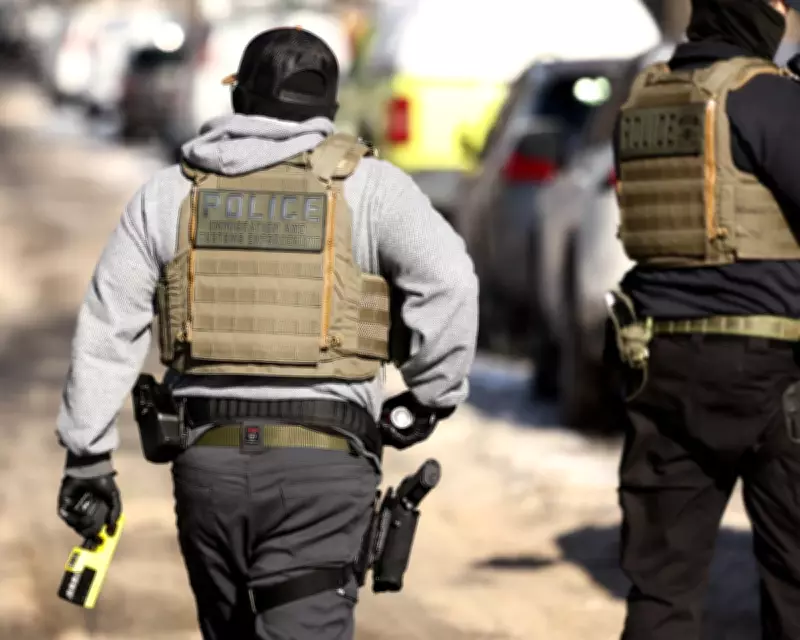
- Militarisation of law enforcement: The use of military-grade equipment and tactics against civilian populations, blurring lines between policing and warfare.
- Erosion of civil liberties: Laws and policies that curtail rights to protest, privacy, and due process, often under emergency or security pretexts.
In contemporary America, these elements manifest in incidents like the violent responses to Black Lives Matter protests or the disproportionate use of force in Black neighbourhoods, raising alarms about the potential slide into a fascist-like state. The normalisation of such violence risks entrenching a system where democratic checks and balances are weakened, and minority groups face persistent subjugation.
The Broader Impact on Democracy and Human Rights
The persistence of state violence against Black Americans has profound implications for the health of US democracy and global human rights standards. It undermines trust in institutions, fuels social divisions, and challenges the nation's commitment to equality and justice. Without meaningful reform, this trajectory could lead to:
- A further consolidation of authoritarian power, where dissent is criminalised and freedoms are curtailed.
- Increased racial tensions and social unrest, destabilising communities and hindering progress toward inclusivity.
- Damage to America's international reputation as a beacon of democracy, affecting diplomatic relations and global leadership.
Addressing this issue requires a multifaceted approach, including policy changes, accountability measures, and a societal reckoning with systemic racism. By recognising the fascist undertones in current practices, there is an opportunity to steer toward a more just and equitable future, safeguarding democratic principles for all citizens.




