Starmer Under Pressure to Restrict US Access to UK Military Bases Following Trump's 'Dangerous' Iran Threats
Keir Starmer is confronting escalating demands to limit American military access to British airbases after former US President Donald Trump issued stark threats against Iran, remarks that Downing Street has refrained from directly condemning. The Liberal Democrats, Green Party, and several Labour MPs are urging the UK government to take decisive action, calling for a blockade on US forces utilizing UK installations for missions targeting Iran.
Defensive-Only Conditions and Growing Political Backlash
Number 10 has permitted US forces to operate from UK bases solely for defensive operations against Iran, such as neutralizing missile sites, explicitly prohibiting involvement in assaults on civilian infrastructure like power stations—a tactic Trump has menacingly referenced. This policy has ignited a fierce political backlash, with critics arguing that the UK risks complicity in potential war crimes if it fails to impose stricter controls.
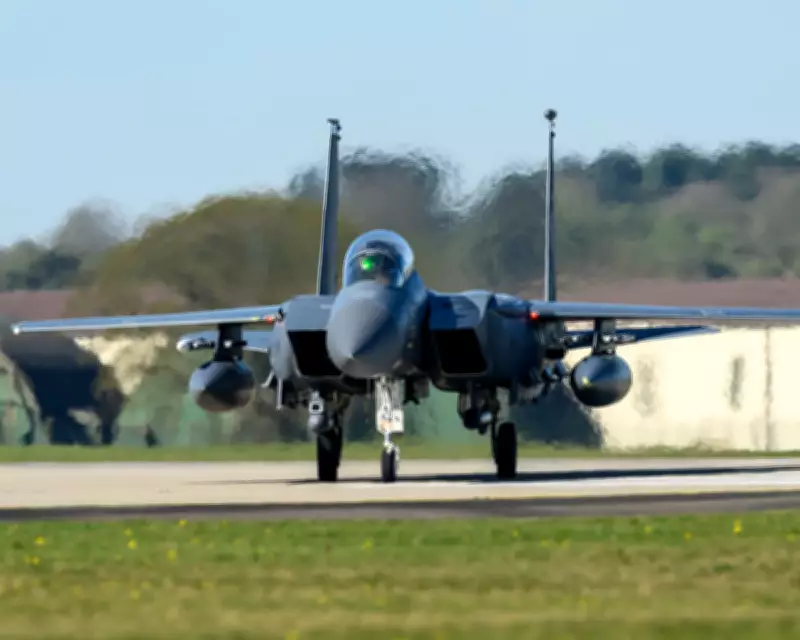
Ed Davey, leader of the Liberal Democrats, has implored Starmer to immediately halt US missions departing from British or joint airbases, including Diego Garcia in the Indian Ocean and RAF Fairford in Gloucestershire. Davey warned that inaction "risks making the United Kingdom an accomplice to war crimes," emphasizing the urgent need for moral clarity in foreign policy.

Zack Polanski, who leads the Greens in England and Wales, echoed this sentiment, stating: "This is a rogue state carrying out war crimes and threatening more. The UK government must grow a spine and stop our bases being used for this war."
Labour MPs Voice Alarm and Call for International Law Compliance
While no ministers have publicly expressed concern over Trump's comments, a cohort of Labour MPs has voiced significant alarm. Stella Creasy, a senior Labour figure, demanded that the UK not remain passive as Trump disregards international law. She asserted: "The threat to destroy an entire civilisation is beyond unconscionable and unacceptable—it's not just about diplomatic niceties but the intimidation of a nation whose people are already suffering."
Creasy added: "We cannot stand by as he rips up international law and risks global chaos. It's time to question Congress about the 25th amendment and their red lines for triggering it." Another senior Labour backbencher emphasized that Starmer, while making prudent decisions thus far, must now pivot, advocating for the UK to emulate Spain's stance by barring US aircraft involved in such attacks from its airspace.
This MP stressed: "Britain cannot have any credibility on the world stage if it allows Donald Trump to use UK military bases for what is very clearly a threat of war crimes." Additional Labour MPs, including Ben Goldsborough and Dawn Butler, have labeled Trump's remarks as "reckless and dangerous" and indicative of a "deranged" mindset, respectively.
Downing Street's Cautious Stance and Farage's Surprising Criticism
Starmer's official spokesperson declined to comment on hypothetical scenarios, including potential limitations if US forces targeted civilian infrastructure—actions widely regarded by experts as war crimes. The spokesperson reiterated that UK bases are available strictly for defensive missions, affirming: "We remain committed to defending our people, our interests, and our allies, acting in accordance with international law and not getting drawn into the wider conflict."
Emily Thornberry, chair of the Commons foreign affairs select committee, raised pertinent questions about oversight, inquiring how the UK can ensure US forces adhere to defensive-only protocols. She noted the deep trust between UK and US security forces but underscored the necessity of clear restrictions.
In a surprising twist, Nigel Farage, leader of Reform UK and a staunch Trump ally, condemned the former president's comments as going "way too far." At a press conference in Warwickshire, Farage expressed shock upon hearing Trump's threats, stating: "I am quite shocked just to hear that. That is over the top in every single way." However, Farage previously indicated he would permit US use of UK bases for attacks on Iranian civilian targets if provided "satisfactory answers" about their objectives.

Broader Implications for UK Defence Policy and International Relations
The controversy highlights profound tensions in UK defence policy and its alliance with the United States. As political pressure mounts, Starmer's administration faces a critical juncture in balancing diplomatic relations with ethical obligations under international law. The calls for restricting US base access reflect broader concerns about the UK's role in global conflicts and its commitment to upholding humanitarian standards.
This developing situation underscores the intricate dynamics of military cooperation in an era of geopolitical volatility, with implications for national security, international credibility, and the preservation of legal norms in warfare.