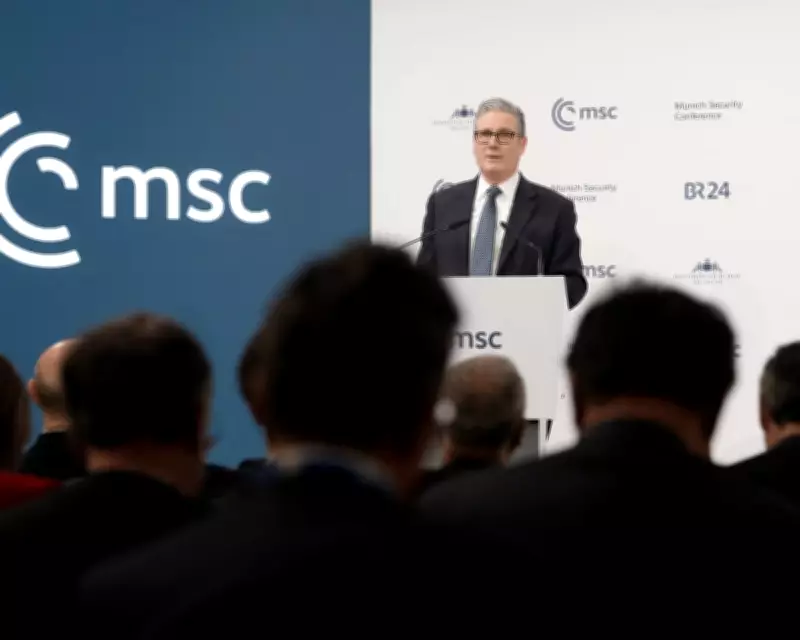
Keir Starmer Calls for Enhanced Defence Cooperation with Europe at Munich Conference
Labour leader Keir Starmer delivered a significant address at the Munich Security Conference, advocating for closer defence ties between the United Kingdom and European nations. His speech highlighted the urgent need for strategic alignment in the face of evolving global security threats, marking a pivotal moment in post-Brexit foreign policy discussions.
Emphasis on Shared Security Challenges
Starmer emphasized that security challenges, such as cyber threats and regional conflicts, transcend national borders and require a coordinated European response. He argued that the UK's departure from the European Union should not hinder collaboration on defence matters, stressing that mutual interests in stability and protection are paramount.
Key points from his address included:
- A call for increased intelligence-sharing mechanisms to combat terrorism and hybrid warfare.
- Proposals for joint military exercises and procurement programs to enhance interoperability.
- Support for existing frameworks like the European Intervention Initiative to foster rapid response capabilities.
Strategic Vision for Post-Brexit Relations
Starmer outlined a vision where the UK remains a key player in European security architecture, leveraging its military expertise and diplomatic influence. He noted that closer ties could bolster economic resilience by reducing duplication in defence spending and fostering innovation in security technologies.
This stance contrasts with some current government policies, positioning Labour as a proponent of reintegration into European defence networks. Analysts suggest that Starmer's remarks aim to reassure European allies of the UK's commitment to collective security, potentially paving the way for future agreements.
Reactions and Implications
The speech has sparked discussions among political observers, with some praising it as a pragmatic approach to international relations, while others caution about the complexities of aligning with EU defence structures. The Munich Security Conference, a premier forum for global security debates, provided a high-profile platform for Starmer to articulate Labour's foreign policy priorities.
As geopolitical tensions persist, Starmer's call for closer European defence ties underscores the ongoing relevance of transnational cooperation in safeguarding peace and stability. This development may influence upcoming electoral debates and shape the UK's strategic posture in the coming years.