Starmer Rejects Complacency Claims Over Defence Funding
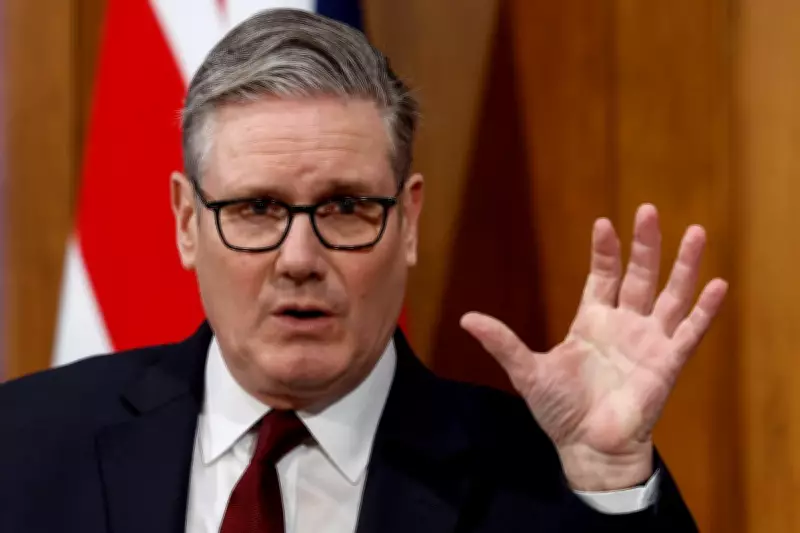
Prime Minister Sir Keir Starmer has firmly rejected allegations of "complacency" regarding defence spending, as scrutiny intensifies over the government's military funding plans and tensions between the Treasury and Ministry of Defence spill into public view.
PMQs Confrontation Over Defence Investment Plan
During the first Prime Minister's Questions session in three weeks, Starmer faced direct questioning about the delayed Defence Investment Plan, which was originally scheduled for publication last autumn. The Prime Minister defended his administration's approach, stating: "My responsibility is to keep the British people safe. I don't agree with his comments."
Starmer was responding to criticism from Lord George Robertson, former defence secretary and NATO chief, who had accused the Treasury of "vandalism" against the armed forces through funding delays. The Prime Minister highlighted his commitment to increasing defence spending from 2.3% to 2.6% of GDP, with a longer-term goal of reaching 3.5% by 2035.
Growing Tension Between Treasury and MoD
The parliamentary session occurred as senior security and military officials publicly criticized the government's perceived lack of urgency in boosting defence expenditure. A significant funding gap has emerged between what the Ministry of Defence believes is necessary and what the Treasury is willing to provide.
Chancellor Rachel Reeves has reportedly offered the MoD approximately £10 billion in additional funding over the coming years. However, military officials have warned that the actual shortfall could be as substantial as £28 billion, creating a substantial disagreement over the true cost requirements for national security.
Strategic Concerns and International Comparisons
Lord Robertson, who co-authored last year's strategic defence review, specifically targeted what he called "non-military experts" at the Treasury for failing to prioritize armed forces funding. His criticism extended to what he perceived as "complacency" from both Starmer and Reeves in adequately resourcing military capabilities.
Separately, Fiona Hill, former White House adviser and co-author of the same defence review, told The Guardian that the UK's lack of urgency was "kind of bizarre really given everything that's happening" in global security contexts.
Analysis reveals concerning trends in UK defence spending relative to international commitments and competitors. The country appears to be drifting away from NATO's target of 3.5% of GDP allocated to defence by 2035. Furthermore, the UK is falling significantly behind military spending levels of nations like Russia and China, raising questions about strategic positioning in an increasingly volatile global landscape.
Broader Economic Implications
The defence funding debate occurs against a complex economic backdrop. Chancellor Reeves recently expressed concerns that tax receipts could be jeopardized by conflicts such as the war in Iran, with major economic organizations predicting the UK economy will be the worst affected among G7 nations.
Economist Simon French of Panmure Liberum noted that calls for increased defence expenditure raise fundamental questions about the credibility of Spending Review processes, where government departments traditionally collaborate with the Treasury to establish budgetary limits.
Additional reports suggest the Ministry of Defence faces pressure to identify billions of pounds in efficiency savings over the coming years, potentially complicating efforts to modernize military capabilities while managing fiscal constraints.
Starmer has committed to publishing the Defence Investment Plan "as soon as possible," though he emphasized the need to understand "where the money's coming from" before releasing the comprehensive 10-year strategy document. This balancing act between security imperatives and fiscal responsibility continues to define one of the government's most challenging policy areas.