
Russian Shadow Fleet Defies Sanctions in English Channel, Raising Fears of Naval Confrontation
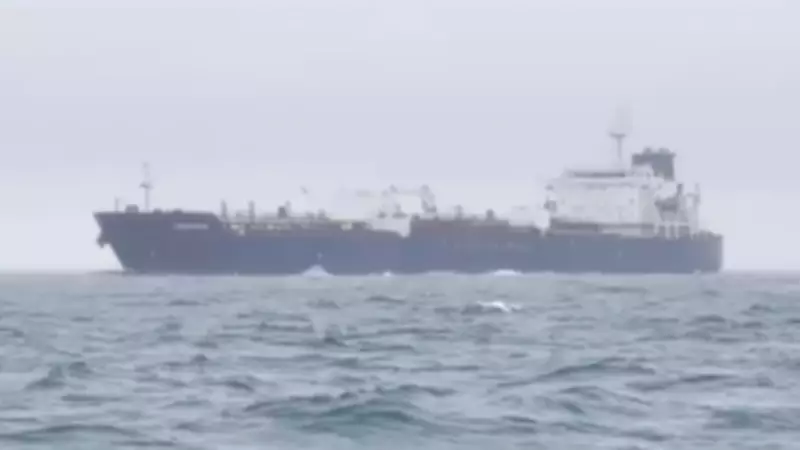
In the English Channel, less than two hours by fishing boat from Dover, some of the most potent weapons in Russia's war on Ukraine are hiding in plain sight. On a misty February morning midway between Britain and France, tankers carrying Russian oil worth around $100 million cruise past in defiance of Western sanctions, embargoes, and price caps. Dozens of these vessels pass through the Channel every month, part of a shadow fleet of up to 800 ships that have kept the oil revenues funding the war on Ukraine flowing.
Routine Sight of Sanctioned Tankers
Our skipper, Matt Coker, who usually takes sea fishing parties out on the Portia, noted that these Russian ships are a routine sight in the world's busiest shipping lane. When you see these Russian ships and these oil tankers, you know, it's a regular occurrence. To be honest, no one really takes any notice, he said. We tracked three tankers—the Rigel, the Hyperion, and the Kousai—from the Gulf of Finland, where they had been loaded with oil at Russian Baltic ports, intercepting them as they passed the narrowest point of the Dover Straits.
Up close in a rising swell, the scale of the vessels is unavoidable. The Rigel, a Suezmax-class tanker over 270 meters long, carries a cargo worth around $55 million. It sails under a Cameroon flag, owned by a company in the Seychelles, and is sanctioned by the EU, UK, and Canada. Despite this, it continues to operate, heading to Port Said at the head of the Suez Canal. The Hyperion, sanctioned by the UK, EU, and US, sails under a Russian flag with its name marked in Cyrillic, having recently switched flags to evade a US naval blockade.
Tactics of the Shadow Fleet
Switching flags is a routine tactic in the shadow fleet, where opaque ownership and unclear insurance are common. This raises serious concerns, as many vessels are ageing and poorly maintained. The US has taken direct military action against tankers linked to Venezuela, seizing at least seven since last year, while French paramilitaries seized a vessel in the Mediterranean last month. However, British interventions have focused on insurance, with coastguards demanding proof from captains like that of the Kousai via VHF radio.
Impact of Sanctions and Market Response
Sanctions against Russia's oil industry have reduced the value of Russian oil, though not the volumes moved. The growth of the shadow fleet is a market response to tightening sanctions. Over 60% of Russian crude is being exported on the shadow fleet, says Pamela Munger, head of European market analysis for Vortexa. She explains that vessels may make multiple ship-to-ship transfers to disguise the origin of crude, eventually discharging to non-sanctioned buyers.
Data from the Centre for Research on Energy and Clean Air shows that while the number of vessels in the shadow fleet grew post-sanctions, oil volumes remained constant. Prices have fallen, with Russian oil now competing in a distressed market, cutting Kremlin revenues. David Fyfe, chief economist at Argus Media, notes that Russian Urals crude is pricing $27 below North Sea Brent, leading to a 25% year-on-year revenue drop and up to 50% in January alone.
Potential for Military Confrontation
The squeeze could tighten further, with pressure for a more robust response from European nations, including the UK. Under maritime law, vessels have the right of innocent passage if sailing under a legitimate flag, but the UK government has examined legal grounds for detaining Russian tankers under the Sanctions and Money Laundering Act. Professor Michael Clarke, Sky News security and defence analyst, warns, I think we're heading probably sometime this year for some sort of militarised confrontation at sea.
A Ministry of Defence spokesperson stated that deterring, disrupting, and degrading the Russian shadow fleet is a priority, with insurance documents requested from over 600 vessels. The owners of the Rigel, Hyperion, and Kousai have been contacted for comment.




