
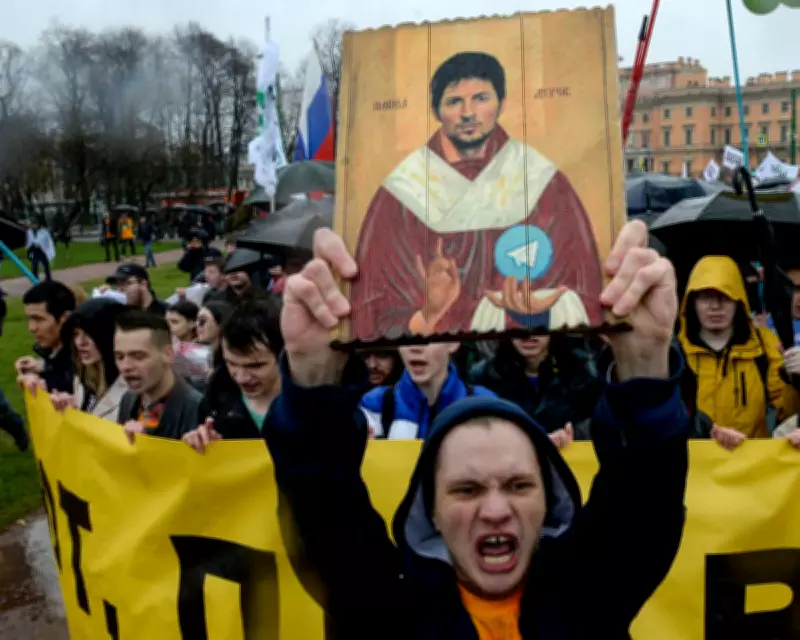
Russia Opens Criminal Case Against Telegram Founder Pavel Durov for 'Terrorist Abetment'
Russia has escalated its ongoing confrontation with the widely used messaging app Telegram by launching a criminal investigation into its founder, Pavel Durov. The case, based on allegations of "abetting terrorist activities," marks a significant intensification of the Kremlin's efforts to control digital communication platforms within its borders.
State Media Reports Security Service Involvement
The state newspaper Rossiyskaya Gazeta reported on Tuesday that the criminal case was initiated "based on materials from Russia's federal security service." The security service has accused Telegram of being compromised by Western and Ukrainian intelligence agencies, alleging the platform has been used in numerous plots against Russian interests.
According to the newspaper's report, which cited official sources, Telegram was allegedly involved in:
- 13 Ukrainian plots targeting senior Russian military officers
- Tens of thousands of bombings, arson attacks, and killings since the start of the war
Kremlin's Push for Digital Sovereignty
The investigation forms part of the Kremlin's broader strategy to create a "sovereign internet"—an online space tightly controlled by the state. Earlier this month, Moscow announced it would slow down Telegram's traffic due to what it described as multiple violations of Russian law.
Kremlin spokesperson Dmitry Peskov addressed the investigation during a press briefing, stating that authorities had identified material on Telegram that could "potentially pose a threat" to Russia. "A large number of violations and the unwillingness of Telegram's administration to cooperate with our authorities have been recorded," Peskov said. "Our relevant authorities are taking the measures they deem appropriate."
Complicated History Between Durov and Russian Authorities
Pavel Durov, 42, has long maintained a complicated relationship with the Kremlin. The ultra-libertarian tech entrepreneur left Russia in 2014 after selling his first company, VK—often described as a Russian version of Facebook—following pressure from authorities. He established Telegram in Dubai, where he now resides and holds Emirati and French citizenship.
Russian authorities previously attempted to block Telegram in 2018, an effort that ultimately failed and led to an uneasy accommodation between Durov and the government. However, Moscow's renewed crackdown on media and online platforms it cannot control has once again placed Telegram in the crosshairs.
Strategic Considerations and User Impact
Despite the mounting pressure, Moscow has stopped short of blocking Telegram outright due to its widespread use among both civilians and officials. The platform serves as a key communication tool on the frontline and in daily life, making a complete ban politically and practically challenging.
Russian officials have indicated they would permit Telegram to continue operating if it complied with Russian law—a requirement that human rights campaigners say would necessitate granting access to private chats and purging opposition channels from the platform.
Broader Context of Digital Crackdown
The investigation into Durov occurs against the backdrop of Russia's broader digital crackdown. The country has already blocked access to:
- YouTube
These restrictions have prompted a surge in VPN downloads among Russian users seeking to bypass government controls. The Kremlin is simultaneously attempting to steer tens of millions of Russian users toward a state-controlled alternative messaging app known as MAX.
International Scrutiny and Durov's Response
Durov has faced scrutiny from both Russian and Western authorities. Western officials have criticized what they describe as weak moderation on the app, while Durov was detained and held for three days in France last August during an investigation into crimes linked to Telegram, including:
- Circulation of child sexual abuse material
- Drug trafficking
- Fraudulent transactions
The Telegram founder has not commented specifically on the Russian criminal investigation. However, earlier this month he publicly criticized measures taken by Moscow, comparing them to attempts by Iran to curb the platform's operations.
The criminal case against Pavel Durov represents a significant escalation in Russia's efforts to control digital communication and aligns with broader patterns of increasing state oversight over online platforms amid geopolitical tensions.




