Mexican Cartels Armed Like Militaries: The Iron River of US Weapons
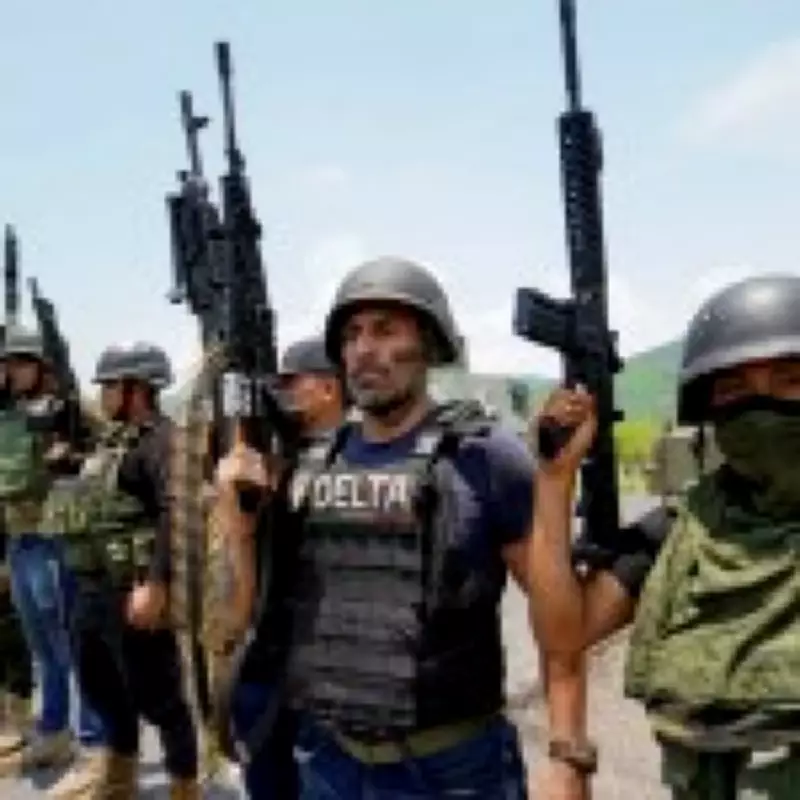
In the wake of recent chaos across Mexico, triggered by the killing of a key cartel leader, shocking images have emerged online showing gang members outfitted with semi-automatic rifles, tactical gear, and even tanks. These visuals have sparked widespread questions about how criminal organizations in Mexico have become so heavily armed, resembling military units rather than traditional gangs.
The Iron River: Smuggling Firearms from the US
A significant factor behind this arsenal is the so-called 'Iron River,' an annual flow of approximately 200,000 to 500,000 firearms smuggled from the United States into Mexico. The US gun market, with its tens of thousands of dealers, is notoriously difficult to monitor, allowing weapons to slip through the cracks. Often, wholesalers of military surplus are unaware of the final destinations of their sales. Cartels exploit this system by recruiting individuals with clean criminal records to purchase weapons legally in the US and then smuggle them across the border.
This illicit trade includes not just standard firearms but also anti-tank rifles, rocket grenades, and other heavy weaponry that have ended up in the hands of cartel members throughout Mexico. However, the tanks seen in recent photos from Jalisco tell a different story. Instead of smuggling actual army tanks—a move likely to be detected by border patrols—cartels have developed a tactic of heavily modifying commercial vehicles. These 'narco tanks' are fitted with steel armor, firing ports, and other enhancements, creating formidable mobile fortresses.
Weaponry in Cartel Conflicts and Beyond
Most of this heavy weaponry is deployed in local clashes between rival cartels, as various groups vie for control of a multi-billion-pound illicit drug industry. However, some arms are also used to confront state police and the army, escalating violence in regions across Mexico. In their relentless fight for dominance, cartels are increasingly turning to more modern technology, including drones and improvised explosive devices (IEDs), further complicating security efforts.
Historical Context: The Evolution of Mexico's Drug War
Mexico's drug war originated as a civil war within the cartels, ignited by the 1989 arrest of Miguel Ángel Félix Gallardo, known as 'the Godfather,' for the torture and murder of an American agent. As Mexico's political landscape shifted, cartels splintered, leading to intensified turf wars in the early 2000s despite some government actions against traffickers. In 2006, the newly elected president declared war on the narcos, sending thousands of troops into Michoacán in an operation that resulted in hundreds of deaths.
In 2018, President Andrés Manuel López Obrador took office with promises to end the drug war through amnesty for traffickers, police reform, and withdrawing the army from the streets. Yet, these measures have not yielded significant success. After Donald Trump retook office for a second term, his administration launched a new 'war on drugs,' designating many Mexican cartels as foreign terrorist organizations.
Current Mexican President Claudia Sheinbaum has criticized the 'kingpin' strategy of previous administrations, which targeted cartel leaders only to trigger violent explosions as cartels fractured. Despite her popularity, security remains a persistent concern, and she faces immense pressure to demonstrate tangible results against drug trafficking.
Key Cartels in Focus
This week's turmoil was sparked by the killing of Nemesio Ruben Oseguera Cervantes, alias 'El Mencho,' leader of the Jalisco New Generation Cartel. This group is considered as powerful as the infamous Sinaloa cartel, with a presence in all 50 US states. It is a major supplier of cocaine to the US market and earns billions from fentanyl and methamphetamine production. Meanwhile, the Sinaloa cartel has been weakened by infighting following the capture of its leaders, Ismael 'El Mayo' Zambada and Joaquin 'El Chapo' Guzman, both now in US custody.
Another dangerous entity is Los Zetas, known for brutal tactics such as beheadings and torture against their enemies. The ongoing violence underscores the complex and deadly nature of Mexico's cartel landscape, fueled by a relentless flow of weapons and a history of conflict that shows no signs of abating.