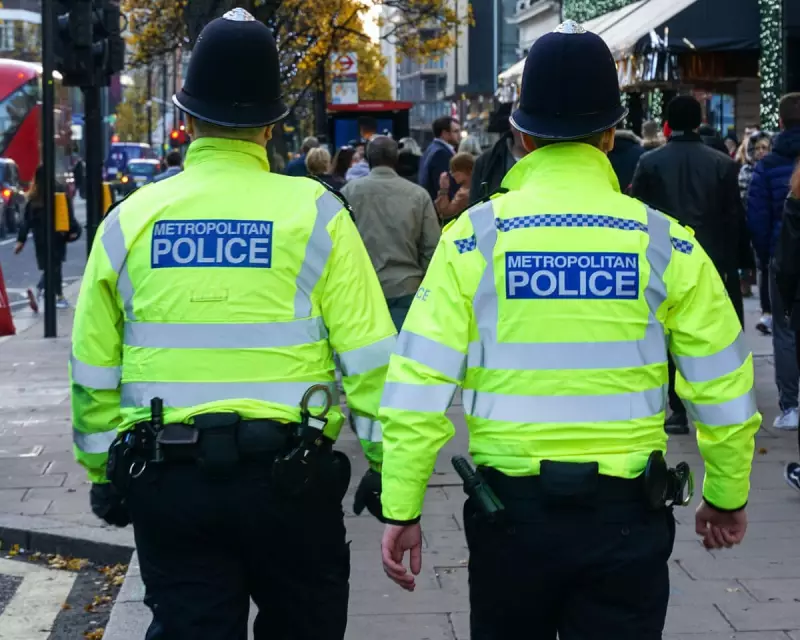
Home Secretary Unveils Sweeping Police Reforms with Force Mergers and National Targets
The Home Secretary is poised to endorse a substantial reduction in the number of local police forces operating across England and Wales, as part of a comprehensive overhaul of law enforcement strategies. This move signals a significant shift towards centralised control, with the government taking on enhanced powers to intervene directly in policing matters.
New Accountability Measures and Performance Targets
Under the new proposals, police forces will be subjected to nationally set targets focusing on critical areas such as emergency response times, victim satisfaction levels, and public trust in local policing. The results will be publicly accessible through a dedicated dashboard, allowing residents to compare their local force's performance against others nationwide.
This represents a notable departure from the current system, where national targets were abolished in 2011 under the Conservative-led coalition government. While many police chiefs express broad support for the reforms, concerns have been raised about potential unintended consequences.
Controversial Aspects and Chief Constable Concerns
Some senior policing figures have voiced apprehension that the introduction of league tables and ranking systems could create perverse incentives, where forces prioritise meeting measurable targets over delivering quality service. One chief constable remarked, "You can hit the target and miss the point," highlighting fears that the reforms might not address underlying issues in crime prevention and community safety.
Another serving chief described the changes as "a power grab by national politicians for influence in policing," suggesting tensions between local autonomy and central government control.
Enhanced Intervention Powers and Structural Changes
The Home Secretary will acquire new authority to intervene directly in underperforming forces, including the ability to dispatch specialist teams from high-performing areas to assist those struggling with low crime clear-up rates. Additionally, powers will be established to remove chief constables deemed to be failing in their duties.
These changes come alongside the planned abolition of Police and Crime Commissioners (PCCs) by 2028, marking a decisive move away from the localised policing model that has been in place since 2011. The government's white paper, titled "From local to national: a new model for policing," outlines this philosophical shift towards central accountability.
Force Mergers and Implementation Challenges
While the Home Secretary is expected to support a "significant" reduction from the current 43 police forces in England and Wales, specific numbers have not been announced. Instead, a commission will review potential mergers, with police chiefs suggesting an optimal range between 12 and 15 regional forces.
However, implementation faces considerable hurdles, including local sensitivities and cultural differences. A survey in Devon and Cornwall revealed that 66% of respondents prefer maintaining their existing force structure, with only 18% supporting a larger regional merger. Some observers attribute this resistance to longstanding regional identities, with one source noting about Cornwall residents: "They think they are too English."
Financial Implications and Future Outlook
The reform package is projected to cost approximately £500 million over three years, though supporters believe upfront expenses will be offset by long-term savings through increased efficiency. Home Secretary Shabana Mahmood has privately characterised her approach to these reforms as "we go large, or we go home," indicating the scale of ambition behind these changes.
While the government has pledged to protect neighbourhood policing within the reforms, some chiefs caution that larger forces don't necessarily guarantee improved performance, citing evidence that smaller forces sometimes achieve better crime clear-up rates. With full implementation potentially years away, one chief constable suggested the merger process might be "kicked into the long grass," highlighting the complex journey ahead for these transformative policing reforms.