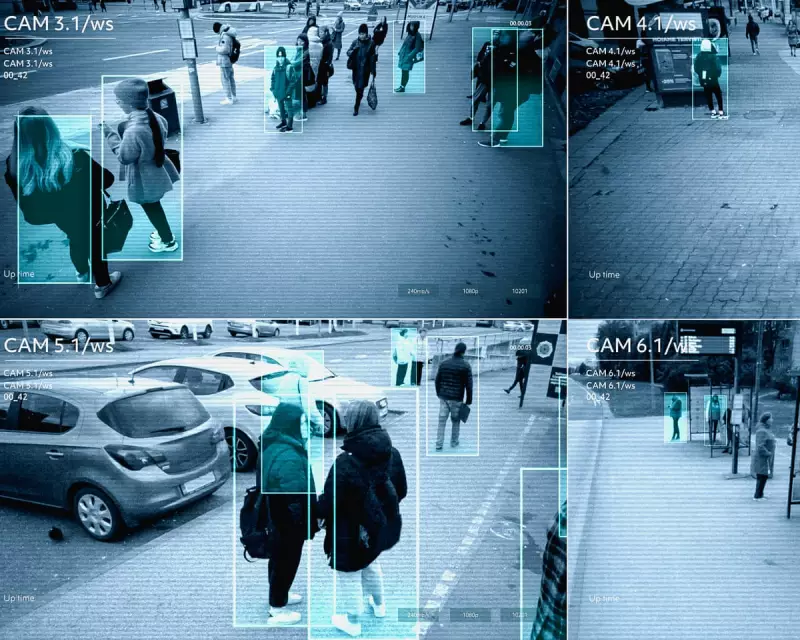
The Labour government has ignited a fresh debate on privacy and state power with its new consultation on expanding nationwide facial recognition surveillance. The proposal, which could see citizens' biometric data logged simply for walking down a public street, is being touted as a revolutionary tool for law enforcement. However, stark warnings from past data breaches and the enduring lessons of the Snowden revelations cast a long shadow over promises of secure handling.
The Illusion of Security in a Digital Age
History provides a sobering counterpoint to government assurances of data safety. The recent consultation is predicated on a promise of robust security, but experts and precedents suggest this is a fragile guarantee. From high-profile hacks at major corporations like M&S and Jaguar to the explosive 2013 disclosures by former NSA contractor Edward Snowden, the vulnerability of digital information is an established fact. Snowden's leaks particularly revealed that American and British intelligence services viewed any data-gathering behaviour as justified for "national security," while also demonstrating that no computer system is truly impregnable.
This pattern of intrusion is not new. In 2013, the government attempted to centralise NHS patient records, arguing it would aid emergency care and research. Despite promises of anonymisation and safeguards, a sceptical public, fearing leaks to insurers and employers, led over a million people to opt out, causing the scheme to collapse three years later. A computer expert at the time derided Whitehall's safeguards, stating plainly that "no modern safeguard can beat the modern hacker."
Surveillance Expansion Already Underway
Critics argue the current consultation is playing catch-up, as facial recognition technology is already being deployed across the UK. The Metropolitan Police report using live facial recognition to catch over 100 sex offenders breaching licence conditions, while at least six other forces have systems active in town centres. The Policing Minister, Sarah Jones, has championed the technology as "the biggest breakthrough for catching criminals since DNA matching," citing over 1,000 arrests for crimes including rape and burglary. The Home Office also promotes its potential for finding missing children and creating a "hostile environment for prolific sexual offenders."
This rapid rollout mirrors a dystopian vision sketched in Dave Eggers' novel The Circle, which imagined a society where citizens are tracked by body cameras. Yet even that fiction did not foresee a state where every face in public could be instantly identified, matched against a national database, and its movements traced—a capability now within reach.
Why "Nothing to Hide" Is a Dangerous Argument
The classic defence of surveillance—that the innocent have nothing to fear—has long been the slogan of expanding state power. The benefits in policing are tangible, but the risks of a digital free-for-all are profound. During the Snowden era, the NSA's Prism programme illicitly accessed data from tech giants like Google and Apple, even compelling Microsoft to undermine its own encryption. This illustrates the terrifying scenario where the safeguarder—the state—is also the hacker.
Once collected, facial data becomes a permanent asset, vulnerable to theft, sale, or misuse. Just as internet companies monetise our preferences scraped from emails, biometric data could be exploited. The public rightly feared their NHS details would leak; the same logic applies to a comprehensive facial recognition database. Granting the state permission to track and record our movements in public is a fundamental shift in the relationship between citizen and government, undertaken with tools proven to be fallible.
The consultation may frame facial recognition as an inevitable tool for modern policing, but the lessons from failed NHS data schemes and global surveillance scandals demand extreme caution. The question remains: in the rush to adopt new technology, is the UK building a safer society, or a surveillance state where privacy is a relic of the past?